Roadside adverts out of control in South Africa’s richest province


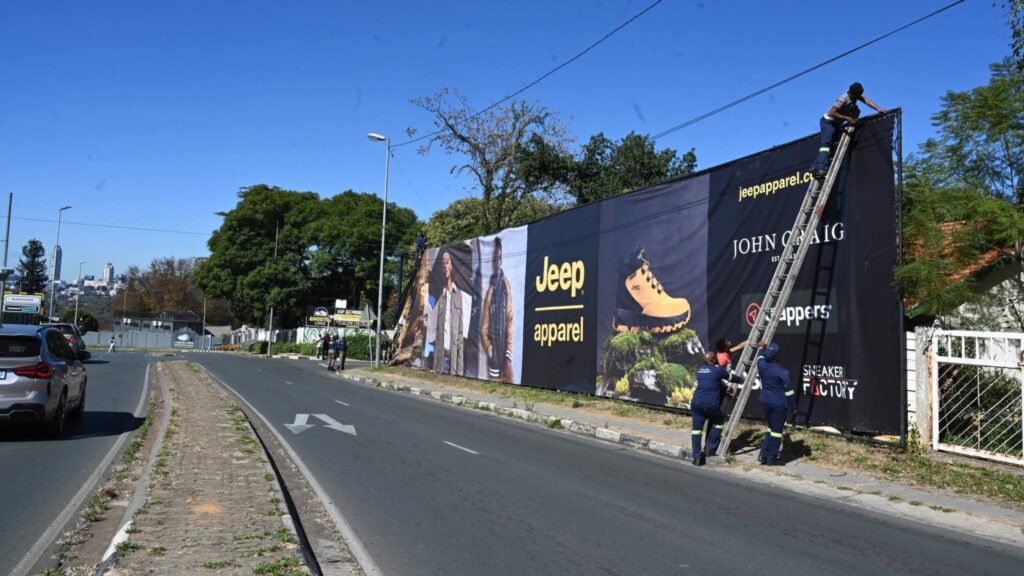
Distracting advertising, including flashing digital billboards, like the ones along the highways between Johannesburg and Pretoria, can significantly increase the risk of road crashes.
This has been an issue in South Africa for years, with “sexy” billboards causing problems for motorists in the early 2000s, leading to increased warnings about distracted driving and keeping your eyes on the road.
Suggestive ads encouraged drivers to take their eyes off the road for prolonged periods of time, increasing the risk of colliding with vehicles ahead of them or in the lanes next to them.
While provocative adverts distracted in previous years, giant flashing billboards and other forms of modern billboard advertising do the same today.
Towards the end of 2025, a Netflix show advert along the N1 encouraged drivers to “Read this instead of keeping your eyes on the road”.
According to a 2019 study, empirical evidence on the direct impact of advertisement signs on crashes is scarce, but the best data comes from a case study of a highway in Israel.
Following debates in parliament, advertising billboards were removed from the Ayalon Highway in the greater Tel Aviv–Yafo metropolitan area in 2008 and restored in mid-2009.
The study examined the impact of advertising billboards on crashes while considering interventions including removing or covering existing billboards and their subsequent restoration.
“Removing the billboards was associated with a decrease of 30 to 40% in injury crashes, and restoring the billboards was associated with an increase of 40 to 50% in injury crashes,” it found.
“The estimated decrease in crash numbers during the removal period was up to 100 damage-only crashes and 50 injury crashes per year, and the estimated increase in crashes after billboard restoration was up to 120 damage-only crashes and 30 injury crashes per year.”
According to the study’s findings, distracting billboards may significantly increase the risk of crashes along heavily travelled routes with a high density of interchanges, including roads like the N1 Golden Highway.
City of Joburg tearing down illegal advertising
Under the National Road Traffic Act, provincial road ordinances, and SANRAL statutory rules, any advertisement that creates a hazard by distracting drivers or obstructing safe sightlines is explicitly unlawful.
If an advert is considered distracting, municipalities and road authorities issue formal compliance notices to landowners and media owners for unauthorised or non-compliant signs.
If a billboard exceeds night-brightness thresholds, causes glare, or lacks a Traffic Impact Assessment (TIA) permit, authorities may switch off the display, impound structures, and bill the operator.
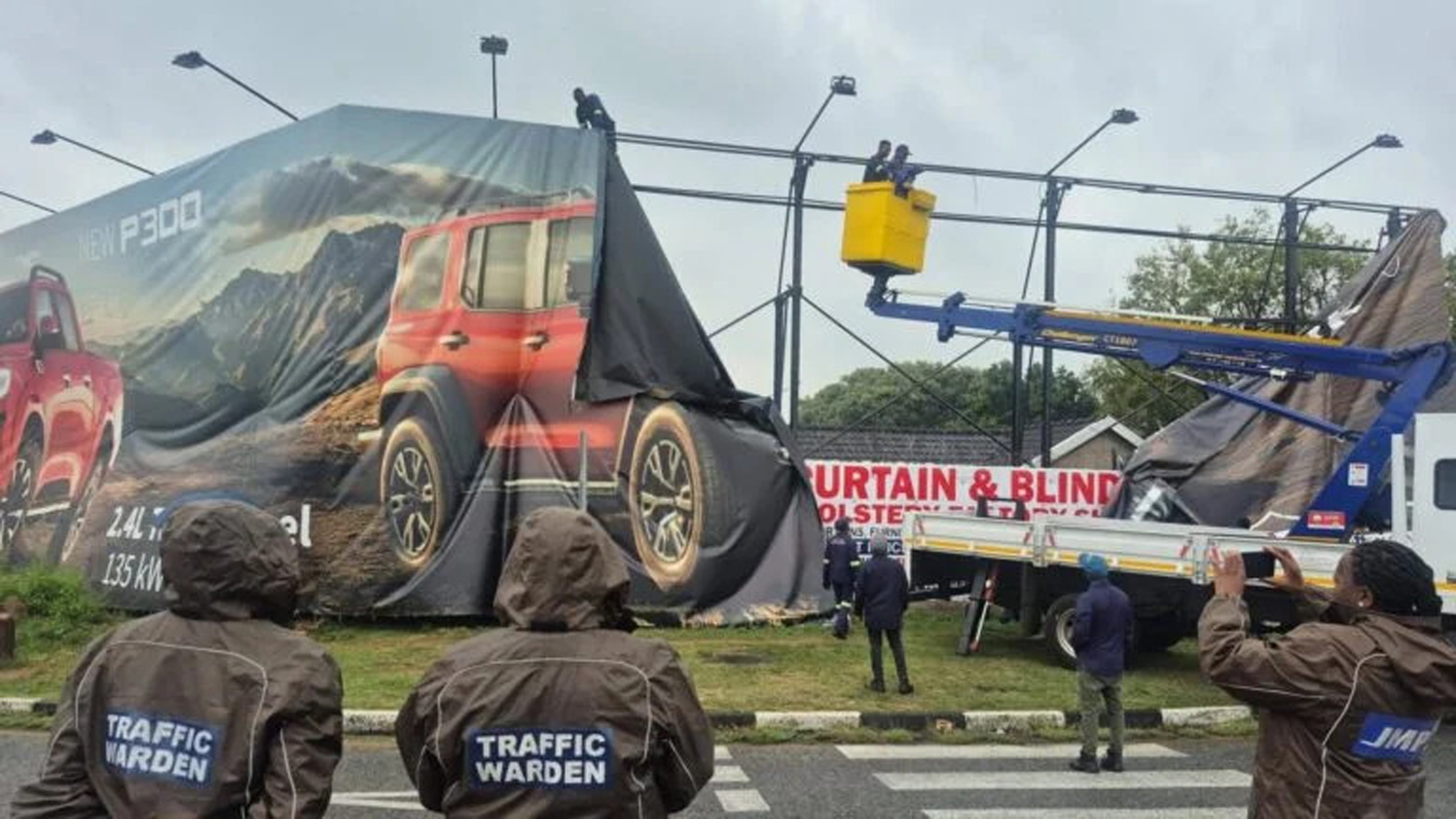
This has taken place across the City of Johannesburg, as Johannesburg Property Company (JPC) officials target illegal billboard advertising.
According to the JPC, illegal advertising companies have been running rampant across the province, erecting billboards without payment or regulatory approval, obstructing views or posing a fire hazard.
Its CEO, Musah Makhunga, has previously said that City teams had dismantled multiple billboards that didn’t comply with outdoor advertising by-laws or emergency management services compliance standards.
Several banners and billboards featured ads from prominent companies, including major car brands. The City has also disconnected illegally connected billboards from the City Power grid.
“The City’s crackdown on illegal outdoor advertising has cast a spotlight on major companies and well-known brands,” it said in February 2026.
Makhunga explained that the more aggressive tactics have produced good results, as compliance has increased following the start of the campaign.
He revealed that the City of Johannesburg’s outdoor advertising revenue increased from R4 million to R100 million since it began tearing down billboards.
“This demonstrates that there was significant revenue leakage within the outdoor advertising portfolio, money that rightfully belongs to the city,” he said.


 Loading ...