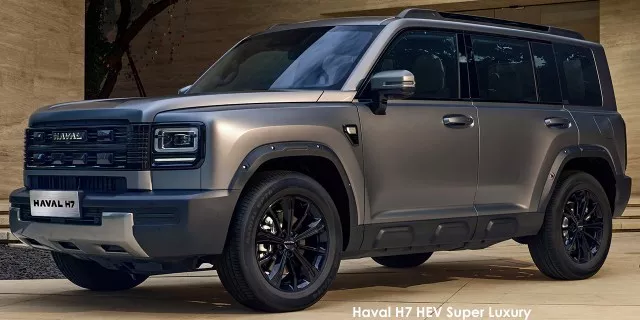
Backlash over South Africa’s proposed 25% price hike on new cars


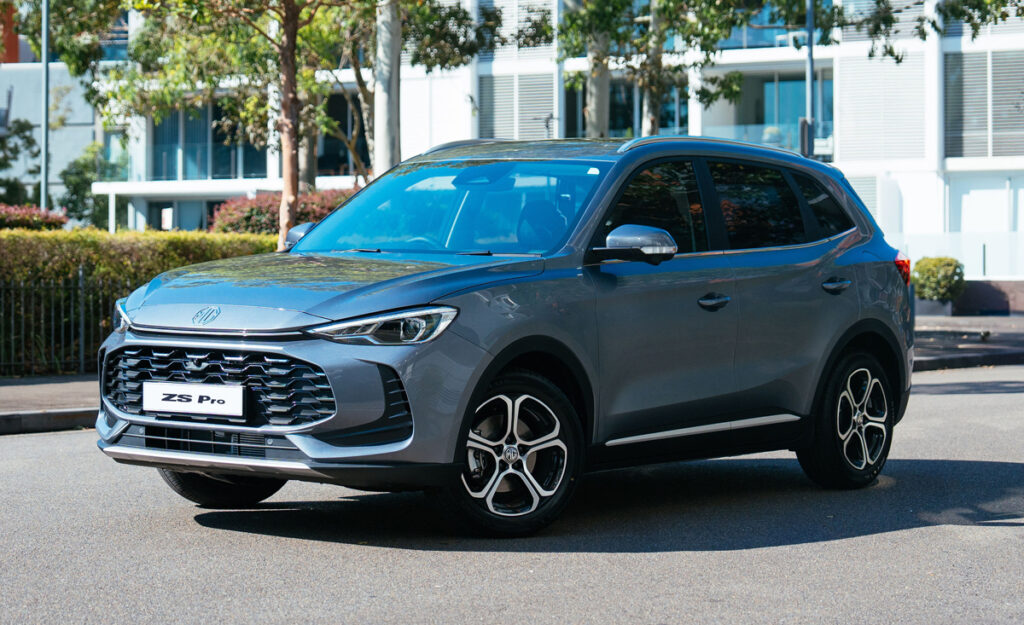
The recent news that the South African government wants to raise import tariffs on Indian-made and Chinese-made vehicles from 25% up to 50% has drawn criticism from one of the country’s largest trade unions.
Bloomberg reported that the Department of Trade, Industry and Competition (DTIC) is conducting an internal review to assess potential measures to stem inbound shipments.
The review is a reactive measure to address the recent influx of cars produced in foreign markets, mostly from India and China, which the DTIC claims is undermining local manufacturers.
The Motor Industry Staff Association (MISA), a trade union that represents more than 75,000 members across the automotive retail industry, condemned the announcement, stating that the government should not protect one industry at the expense of another.
It stated that, while it welcomes the DTIC’s internal review to assess potential measures to protect the automotive industry, it should not be done in a way that insulates local car manufacturers at the expense of retailers and consumers.
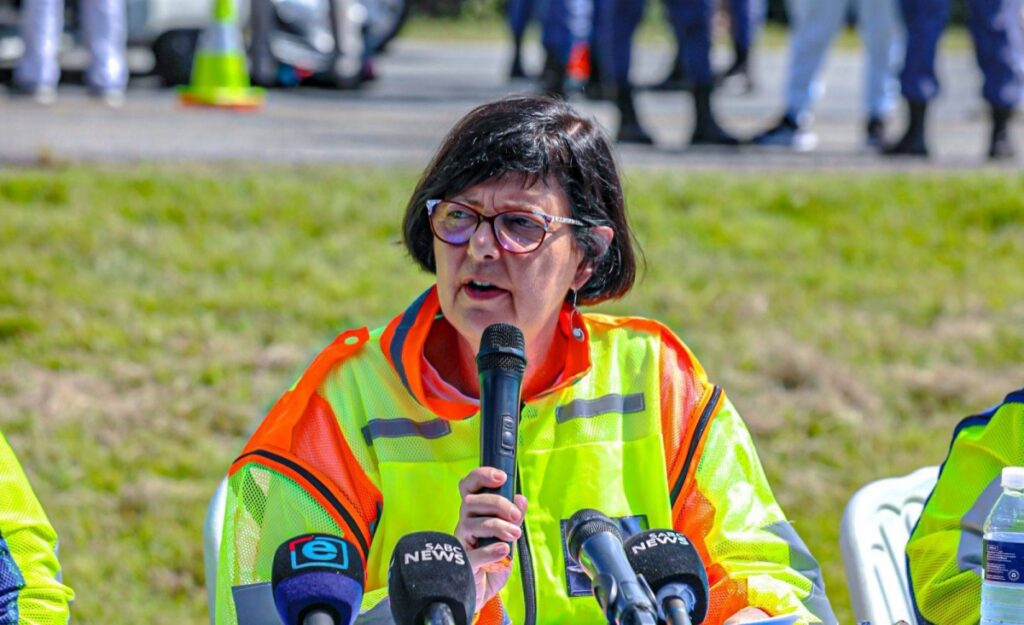
“It is late in the game for the South African government to consider imposing tariffs of up to 50% on vehicles from China and India,” said Martlé Keyter, MISA’s Chief Executive Officer: Operations.
“Government should look at the entire economy and equally support the retail motor industry where these brands have been creating jobs.”
Instead of imposing higher tariffs on imported cars, MISA argued that the government should focus on encouraging Chinese and Indian brands to invest in local manufacturing for vehicles, parts, and components to create more job opportunities.
“The influx of Chinese and Indian brands stimulated the local market and created massive competitiveness,” said Keyter.
“The result, new vehicle sales records for three consecutive months at the end of 2025, not only surpassing pre-pandemic levels for the first time but also reaching highs not seen in a decade.”
Encourage investment > Penalise imports

MISA highlighted how the Chinese carmaker Chery recently declared that it would purchase Nissan’s production plant in Rosslyn.
“Nissan and Chery SA have reached an agreement on the acquisition of Nissan’s manufacturing assets in Rosslyn, South Africa,” said the companies.
“Subject to the fulfilment of certain conditions, including regulatory approvals, Chery SA will purchase the land, buildings and associated assets of the Nissan facilities, including its nearby stamping plant, in mid-2026.”
Nissan has been in dire financial straits for several years, and Chery’s acquisition of the site will ensure that most of the affected staff at Rosslyn will be offered new employment “on substantially similar terms and conditions as today.”
The trade union praised the move, claiming that Chery’s willingness to establish a manufacturing presence in South Africa sets an example for other Chinese brands to follow.
It has repeatedly urged new Indian and Chinese companies entering the country to invest with larger dealership networks that will create jobs for those affected by the closure of non-performing dealerships from legacy brands.
It’s also worth noting that Mahindra and BAIC have already invested heavily in South Africa.
Last year, Mahindra opened a new purpose-built vehicle plant in KwaZulu-Natal, which assembles the Pik Up bakkie from semi-knockdown kits.
Similarly, BAIC and its sub-brand Foton are expanding the company’s facility in Gqeberha to add a new production line for the Tunland G7 bakkie.




 Loading ...