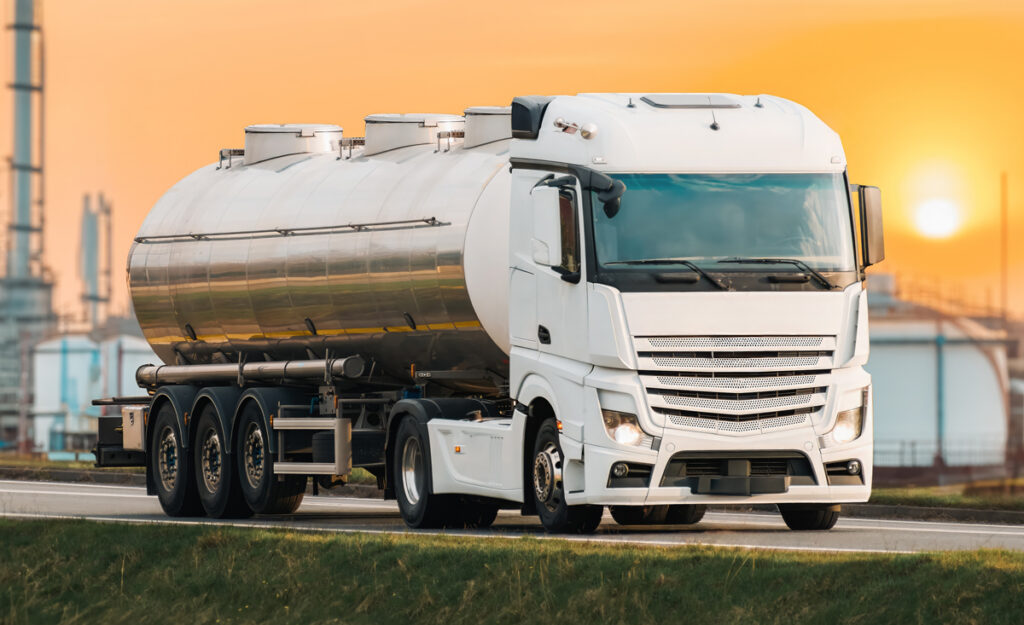
Concerns have been raised over a marked rise in adulterated diesel in South Africa, following investigations by Bidvest Protea Coin that found over 100 suspected illicit fuel depots.
This comes following the private security company’s helicopter surveillance team over the last few months, which identified sites in several provinces.
Bidvest Protea Coin chief operating officer, Waal de Waal, has expressed his concerns over these findings and the massive impact they could have.
This includes widespread damage to South African vehicles and the robbing of the South African government of billions in tax revenue.
De Waal also noted, speaking to eNCA on 22 April, that the practice of mixing diesel with paraffin was “getting out of hand”.
This process, commonly known as adulteration, is employed by unscrupulous fuel wholesalers and suppliers to reduce product costs and increase profits.
The Department of Mineral Resources and Energy, through random probes, identified 70 fuel stations selling adulterated diesel between April and December.
Along with this, in June 2025, the South African Revenue Service and law enforcement conducted a joint operation where they seized two million litres of adulterated fuel.
Follow-up investigations revealed that some suppliers arrested had storage tanks containing mixtures with more than 50% paraffin.
De Waal has noted that one reason the adulterated fuel problem is getting out of hand is that paraffin is exempt from value-added tax (VAT).
Even with the recent increases in diesel prices due to the US-Iran conflict, paraffin remained cheaper than diesel, so adulterated fuel remained profitable.
Additionally, de Waal said that it was frequently difficult for law enforcement to determine where adulterated fuel originated.
While imported paraffin is loaded with a tracer or marker identifying the importer, rogue actors use a chemical or filtering process, known as washing, to remove the marker.
De Waal also said that only with coordinated efforts among industry bodies, law enforcement, and government authorities could these operations be consistently stopped.
Diesel and risks of adulterated fuel
The price of diesel has risen sharply due to the conflict in the Middle East, a region that produces a substantial portion of the world’s heavy or sour crude oil.
This has led to the local wholesale diesel price in South Africa being increased by R7.51 this month.
Notably, the price hike would have been R10.57 had the government not implemented a temporary R3.06 cut to fuel prices.
The Central Energy Funds data also points to another substantial price increase next month, with an estimated increase of R6.61 per litre of 50ppm diesel in May, based on fuel price review data up to 21 April 2026.
This continued increase in diesel prices has incentivised adulteration and could impact more motorists who unsuspectingly fill up with impure fuel.
Fuel stations cannot afford to regularly analyse their diesel for contamination, so they rely on their suppliers’ reputations.
However, several engine behaviours can be detected before contaminated or adulterated diesel causes substantial damage, including paraffin, which can increase wear on components such as fuel injectors, pistons, and cylinders.
Axi University, a fuel maintenance and quality education website, recommends that drivers pay close attention to subtle engine malfunctions due to partial fuel injector failures, including:
- Difficulty starting the engine
- Unusual engine noise
- Reduced engine power
- Smoke
- Increased fuel consumption
- Extended cycle times or reduced speed
- Frequent use of lower gears
- Rough idling
Should these be noticed, drivers can take steps to eliminate the contaminated fuel and avoid catastrophic, costly injector failure and engine damage.





 Loading ...

-2026.10.webp)