


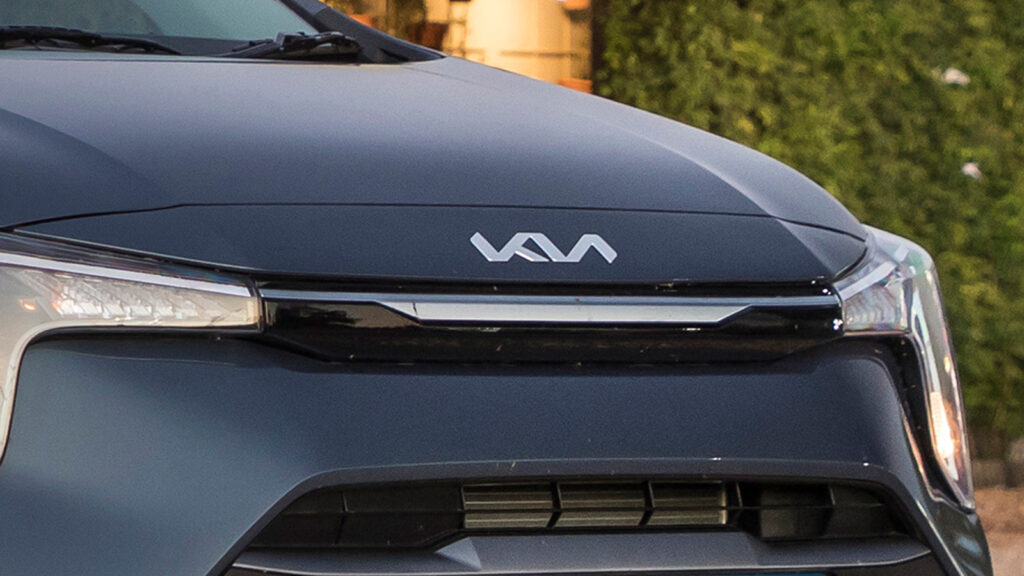
The Kia Picanto is one of the vehicles most likely to be targeted by hijackers in South Africa.
This is according to the driver training organisation MasterDrive, which has published its list of the vehicles most at-risk of being hijacked in South Africa in 2026.
MasterDrive noted that the list of high-risk areas and most-targeted cars has remained largely consistent from year to year, with the exception of the Picanto, which is a new entry.
The Toyota Hilux and VW Polo remain the most vulnerable vehicles overall due to their popularity, resale value, and high demand for parts.
Other returning entries include the Isuzu D-Max, Toyota Corolla Cross, and Ford Ranger.
Notably, the Ranger has seen a considerable uptick in hijackings, which is attributed to its growing popularity.
It’s a similar story with high-risk areas, as notorious roads and suburbs in Gauteng and the Western Cape continue to dominate the national statistics.
In Cape Town, the N2 freeway leading to Cape Town International Airport, nicknamed “the hell run” by locals, continues to be an incredibly dangerous route.
This is because criminals hiding in the nearby townships will use a variety of methods to stop passing cars, including stone throwing, dropping cement blocks from bridges, tyre spiking, and faking pedestrian accidents.
In Gauteng, Alexandria is particularly dangerous for motorists, while Inanda in KwaZulu-Natal is another top hijacking zone.
“The most important thing to understand is that no person, vehicle or area is immune to carjacking risk,” said MasterDrive CEO Eugene Herbert.
“Falling into complacency because your vehicle is not on the list or you seldom frequent high-risk areas is your biggest vulnerability. Vigilance is non-negotiable for your family, your employees and yourself,” he said.
How to avoid hijackings
MasterDrive provided a list of practical steps that motorists can follow to minimize the risk of being carjacked.
First, anticipate traffic conditions and adjust your speed accordingly. If an upcoming traffic light is red, slow down gradually to minimise the time you spend idling at the lights.
Similarly, you should always stay alert at intersections and in slow-moving traffic. Always keep your doors locked and windows closed, and maintain enough distance from the car in front to allow for a quick getaway if necessary.
Another tactic is to drive in the middle lane whenever possible. Doing so ensures you are further from the edges of the road which makes it harder for criminals to reach you with tactics like stone throwing or tyre spikes.
The fourth point is to vary your route and travel times. Following a predictable schedule makes it easier for criminals to profile and follow you.
Hijackings are most prevalent between 4pm and 9pm, so bear that in mind when deciding where and when to travel.
Finally, trust your instincts. If something doesn’t feel right, it probably isn’t. Don’t feel obligated to stop if you sense danger.
Herbert added that, while carjackings are dangerous, the theft of goods and assault can also be highly traumatic for both drivers and passengers.
If your car is damaged by spikes or thrown rocks, do not stop, but continue travelling until you reach a busy area.
“Don’t stop if this happens. As long as your vehicle can move, keep driving until you reach a safe, well-populated area. Stopping in an isolated spot is often exactly what criminals count on,” he said.



 Loading ...