


The South African Reserve Bank (SARB) has decided to keep both the repo rate and the prime lending rate unchanged, at 7% and 10.50% respectively, which is good news for local car buyers.
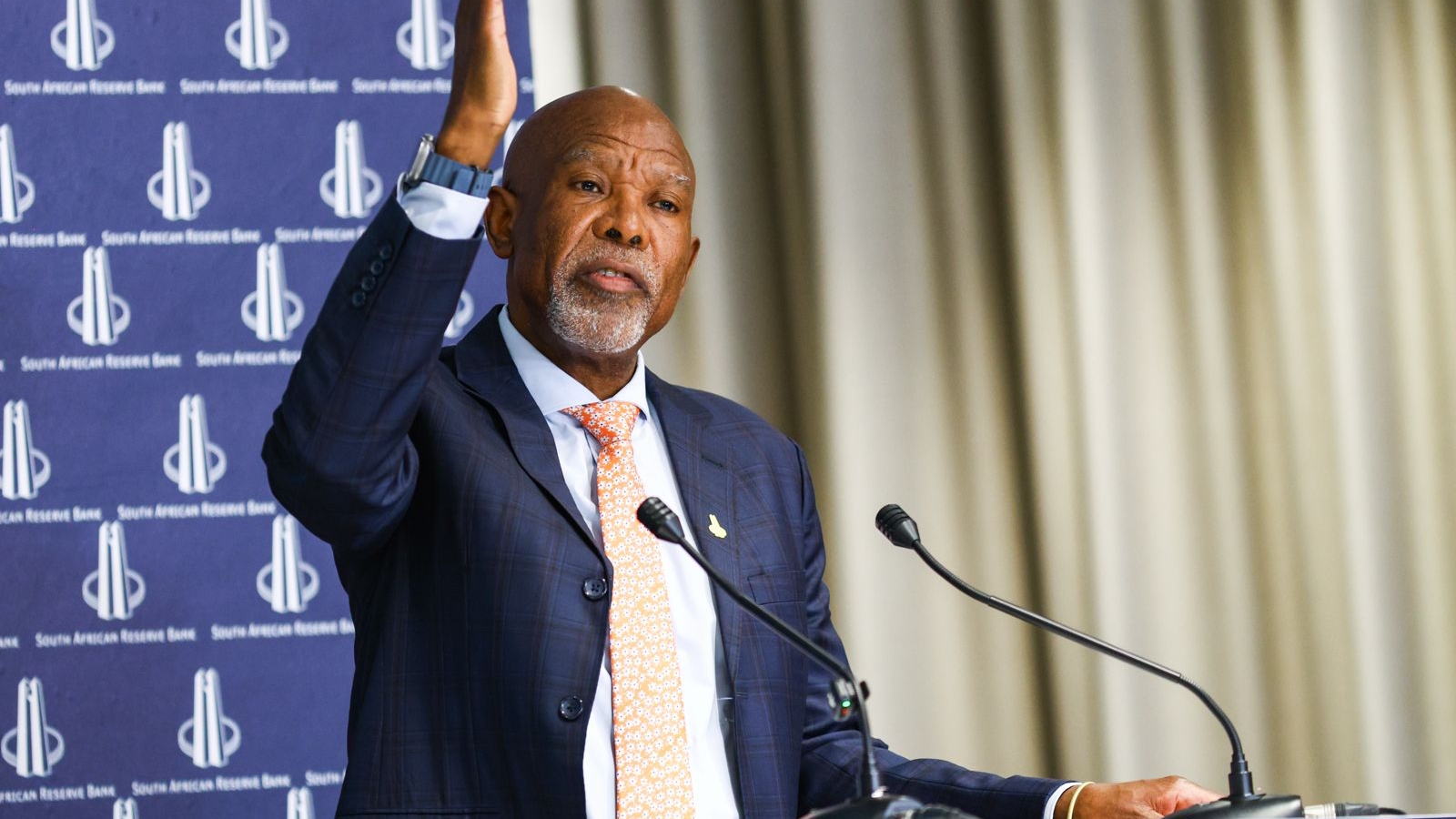
Reserve Bank Governor Lesetja Kganyago announced the decision, which was backed by four members of the Monetary Policy Committee (MPC), on Thursday, 23 July.
Kganyago added that the committee agreed that while the outlook is uncertain, it increased the rate at the previous meeting, meaning the policy stance remains appropriate for now, with somewhat restrictive rates.
South Africa’s first-quarter growth was “stronger than expected”, with the MPC expecting sustained sluggish growth through the second and third quarter of the year.
“Consumer confidence has fallen sharply, and business confidence has also weakened. Sectoral data show generally lower activity, since the start of the war,” the governor said.
Prices for local export commodities have also fallen, while terms of trade are also better, given the lower prices for imports to South Africa.
Kganyago noted that the year started with good momentum from last year, but households were hit by higher fuel prices, causing investment uncertainty to creep in.
He did, however, explain that domestic reforms can propel the local economy towards a rising growth trend, especially as global conditions begin to stabilise.
“Our baseline forecast is that the economy starts to recover in the second half of this year, as the shock fades. But the outlook is uncertain. We see downside risks to growth,” he noted.
Stabilising fuel price affected inflation
On Wednesday, 22 July, shortly before the MPC met to vote on potential repo and lending rate changes, Statistics South Africa (Stats SA) announced that the inflation rate reached 5% in June, the highest since 2024.
According to the Reserve Bank Governor, this was caused by higher fuel prices, as a result of the ongoing conflicts in the Middle East, which have since been renewed.
“Petrol and diesel prices eased this month, but global prices have now risen again. We expect headline inflation to stay above 4% until early next year,” he said.
“Aside from fuel, goods prices have been relatively contained. The exchange rate has been resilient, with the rand close to where it started the year against the dollar, and stronger against the Euro.”
Another major inflation figure affecting South African households – food inflation – also slowed, reflecting good harvests and the fading effects of the foot-and-mouth disease outbreak.
“El Niño may start affecting food supply next year, but this is still a risk factor, not part of our baseline,” Kganyago explained.
He reiterated that although the inflation outlook has improved slightly, it remains too high due to slow economic growth.
“We are setting policy to achieve 3% inflation over time, ensuring the current supply shock does not de-anchor inflation expectations,” the governor explained.
“At the same time, we recognise that South Africa’s growth prospects will be driven mainly by domestic reforms.”
These include structural interventions, such as fixing local government, and improving productivity in the network sectors, like transport and energy.
Kganyago explained that it also includes the macroeconomic goals of sustainable debt and permanently lower inflation.
“Our main contribution is to stabilise inflation in line with our 3% target, over time, and the MPC will act as needed to achieve that,” he concluded.





 Loading ...
-2026.10.webp)


-2026.10.webp)