
One South African province has a shortage of 1,200 traffic officers


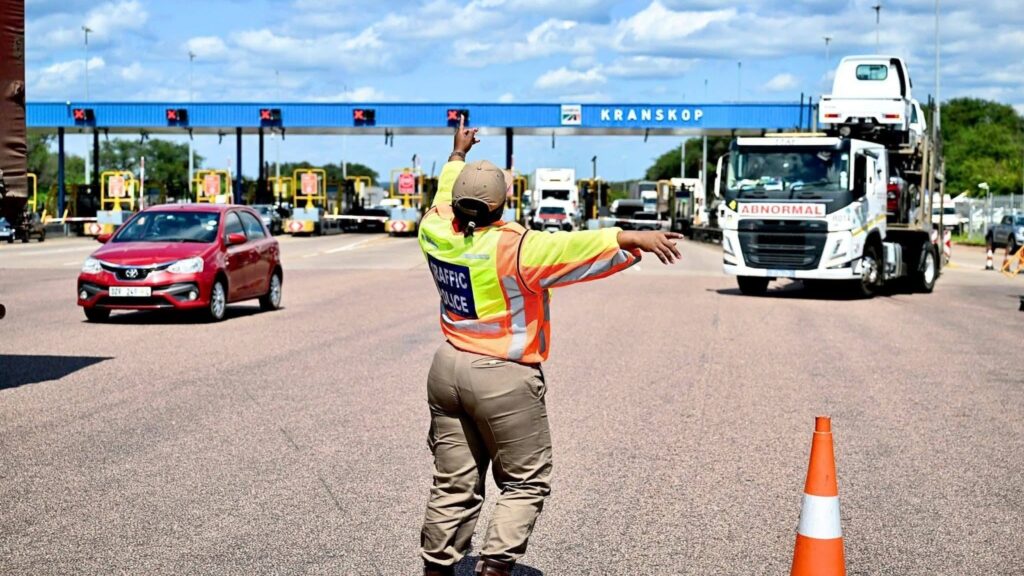
Traffic enforcement in South Africa’s northernmost province is operating at 50% capacity due to a shortage of 1,188 traffic officers and a severely hamstrung vehicle fleet.
This came to light after Limpopo Premier Dr Phophi Ramathuba confirmed that Limpopo requires 2,452 traffic officers to fulfil its traffic-law-enforcement mandate optimally.
The Premier admitted in her reply to a parliamentary question posed by the Democratic Alliance (DA) that the province was operating with only 1,264 traffic officers, which is slightly more than half of what it needs.
Her response further revealed several serious concerns related to the province’s traffic enforcement vehicle fleet.
According to Ramathuba, 400 vehicles are currently unavailable, while a further 200 vehicles are held at the state garage, many of which are vehicles that will need to be written off.
“These figures raise serious questions about the province’s actual capacity to maintain visible traffic policing, conduct effective law-enforcement operations and respond to road-safety challenges across Limpopo,” said the DA.
“The shortage is particularly concerning considering the vast distances that provincial traffic officers must cover and the continued need for visible law enforcement on Limpopo’s major routes.”
The party’s latest concerns regarding the department follow its previous enquiry about the diversion of traffic resources to the Premier’s personal protection arrangements.
Earlier this year, the party questioned reports that a total of twelve traffic officers as well as two additional vehicles were being used for the personal protection of the Limpopo Premier.
“Against the newly disclosed shortage of 1,188 traffic officers, every available officer and operational vehicle should be deployed where it can contribute to the safety of Limpopo’s road users,” the party declared.
Limpopo attempting to fill the gaps
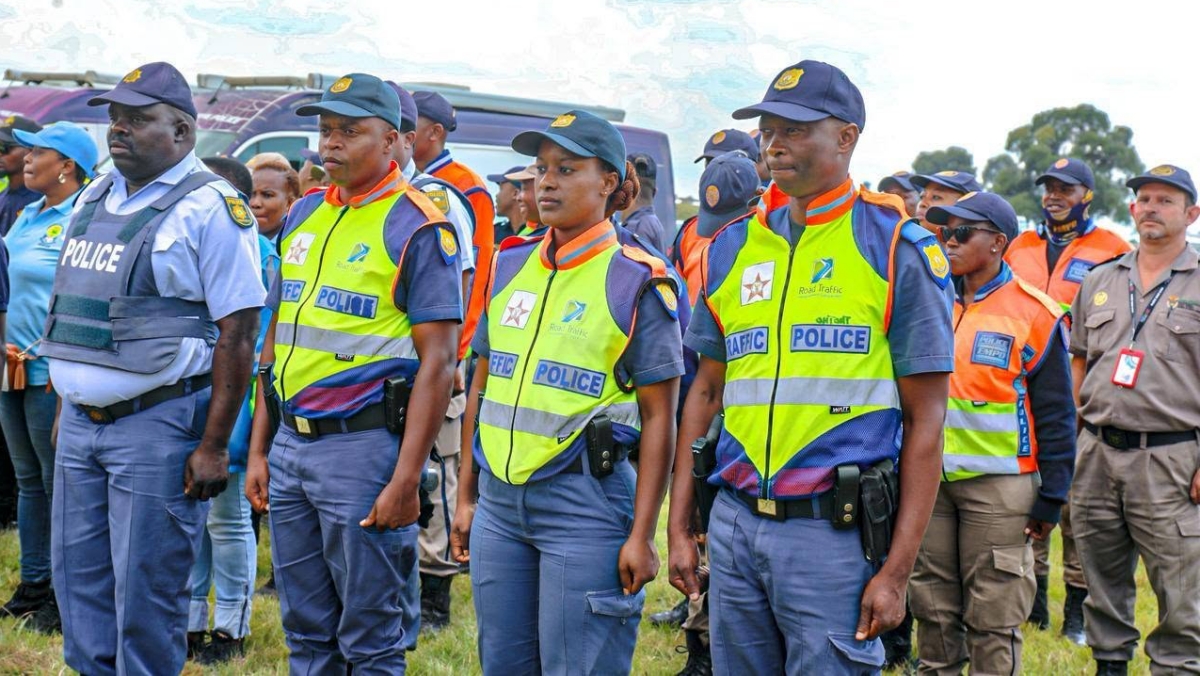
Acknowledging the shortcomings in its traffic enforcement, the Limpopo Provincial Government opened applications for learner traffic officers, with applications running until the end of July.
It opened 204 internship positions for applicants aged between 18 and 35 years, with minimal performance requirements.
Key performance requirements were limited to the ability to drive a motor vehicle and verbal and written communication skills.
However, the province stipulated several prerequisites for applicants, including a Matric certificate or NQF level 4 or equivalent qualification recognised by SAQA.
Other requirements included a valid driver’s licence, no criminal record, no visible tattoos, and being medically, mentally and physically fit to undergo the training programme.
“The applicants must not have been declared unfit to possess a firearm as contemplated in the Firearm Control Act, 2000 (Act no 60 of 2000), or other relevant legislation,” read the now closed application page.
The DA welcomed the department’s recruitment of learner traffic officers, but noted that the scale of the shortage demonstrates that “a far more comprehensive staffing and fleet-management strategy is required”.
As a result, the party has submitted further parliamentary questions to establish how the district-by-district allocation of traffic officers and operational vehicles is broken down.
It also wished to establish the number of vacant funded posts, the condition of the provincial fleet, the average turnaround time for repairs at the state garage, and the department’s timeframe to address the shortage.
“Limpopo cannot achieve safer roads without sufficient officers on the ground and reliable vehicles to deploy them,” said the DA.
The province serves as one of the key gateways between South Africa and several of its neighbours, often accommodating high traffic volumes, especially near border posts, and around the festive season.
Police in this province are also frequently involved in cross-border vehicle theft and smuggling operations, highlighting the importance of having a full contingent of traffic police.


 Loading ...
-2026.10.webp)


-2026.10.webp)