With 1,250 jobs currently on the line, and more likely to follow, South Africa’s automotive sector is in a fight to keep factory doors open.
This is the view of Sonja Boshoff, Chairperson of the Select Committee on Economic Development and Trade.
She called on the Department of Trade, Industry and Competition (DTIC) to implement industrial policy measures to safeguard existing jobs and prevent further job losses in the automotive sector.
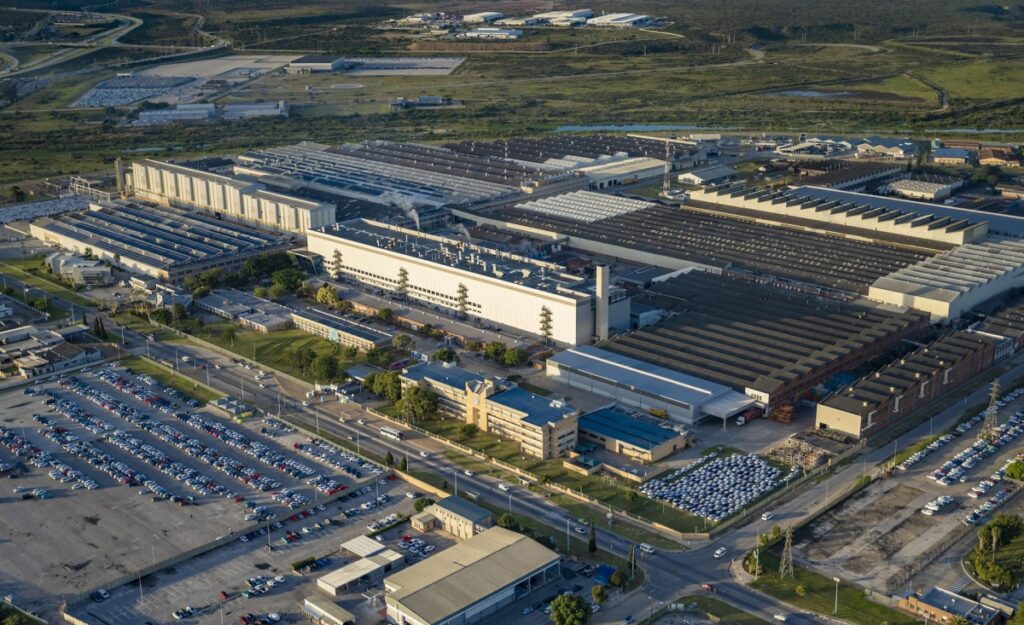
This follows the proposed closure of Continental’s tyre manufacturing plant in Gqeberha, which could affect 950 employees, and Bidvest McCarthy restructuring that could cost 300 more jobs.
Boshoff added that the department cannot afford to delay its response to the looming crisis, given the alarmingly high levels of unemployment already ravaging the country.
“I have noted with serious concern the looming job losses in South Africa’s automotive sector, with hundreds of positions at risk at Bidvest McCarthy and Continental’s tyre manufacturing operations in Gqeberha,” she said.
“These developments, particularly following the closure of Goodyear’s manufacturing plant in Kariega, raise serious concerns about the sustainability and competitiveness of South Africa’s automotive industry and the continued erosion of our domestic manufacturing capacity. “
Boshoff noted that the consequences extend far beyond the immediate threat to employment, affecting component manufacturers, suppliers, transport operators, and small businesses.
The province most likely to feel the effects the hardest is the Eastern Cape, where many major car and tyre factories are and where there are already more people unemployed than working.
“Further factory closures and retrenchments could have far-reaching socioeconomic consequences for regional economies and surrounding communities,” said Boshoff.
“The anticipated withdrawal of South Africa’s preferential trade benefits under the African Growth and Opportunity Act (AGOA) places additional pressure on an already vulnerable manufacturing sector.”
Broadening South Africa’s horizons
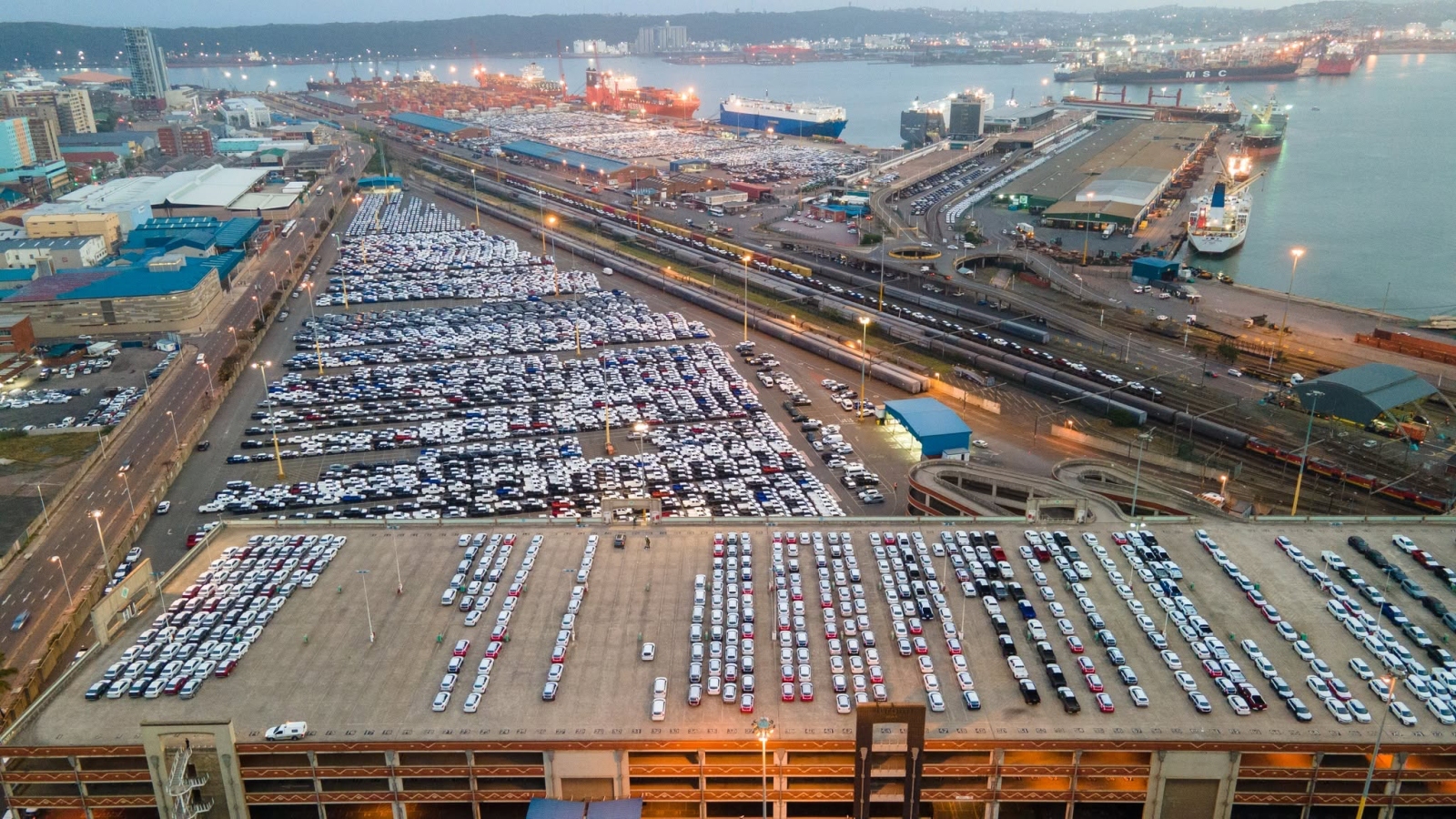
Despite efforts to diversify South Africa’s export markets, Boshoff believes more must be done to strengthen domestic manufacturing, increase local value addition and address barriers undermining local industrial competitiveness.
“High electricity costs, inefficient logistics, excessive regulatory burdens, inadequate municipal services and increased competition from low-cost imports cannot be ignored,” she said.
“The DTIC must urgently engage with relevant stakeholders across the automotive value chain to identify practical and sustainable interventions to protect existing jobs, retain investment and prevent further erosion of our manufacturing capacity.”
The Automobile Association of South Africa (AA) echoed these sentiments, warning that the country is losing the manufacturers that sit downstream of its car factories.
Nelson Mandela Bay, where the Continental factory is located, has seen multiple factory closures in recent years, including Bridgestone in 2020, and Goodyear closing its plant in August 2025.
According to the AA, if the Continental plant closes, more than 2,000 tyre-making jobs will have left the metro in about six years, and the Eastern Cape will have no tyre factory left.
Bobby Ramagwede, CEO of the AA, said that none of Continental’s reasons for potentially shutting its doors is new, and all of them are fixable.
“I cannot tell you how much that cost the Gqeberha plant, because Continental has not published the figures,” he said
“But I would like to know whether anyone involved in that decision asked what it meant for the last tyre factory in Nelson Mandela Bay.”
“This is not about where a tyre is made. It is about whether the rules we write are enforced, and whether anyone counts the cost when they are not.”
Ramagwede said that local manufacturers insist they are staying in South Africa, but noted that a carmaker staying is not the same as its suppliers surviving.
He added that South Africa has two main options: either it remains a country that builds and exports vehicles, or it becomes an import-and-retail market.



 Loading ...