


Pressure is mounting on South Africa to review its petrol price formula, as the Automobile Association (AA) has added its voice to the calls for the government to do so publicly.
Despite welcoming Finance Minister Enoch Godongwana’s call to phase out fuel levies, which add R6.58 to every litre of petrol and diesel sold in South Africa, the AA called for more to be done to shield motorists.
Bobby Ramagwede, CEO of the AA, said that the minister’s comments that levies require phasing out and the Road Accident Fund (RAF) needs a new model are “long overdue, but welcome”.
“Fuel taxes land on everyone who moves: the commuter in a taxi, the business running a fleet, and the worker who pays to get to the job that pays for the journey,” he said.
The general fuel levy of R4.29 per litre adds R80 billion to the state’s coffers, while the RAF levy of R2.25 gives the entity over R50 billion, but alongside two smaller duties, adds R6.58 to every litre of petrol sold.
Considering October’s record inland 95 unleaded price of R30.25 per litre, that is more than 20% of the price at the pump, meaning a motorist filling a 50-litre tank pays about R329 in levies.
However, relief for motorists is on the way, as the Minister announced that the general fuel levy will fall by R1.50 per litre on petrol and R3.00 per litre on diesel until 1 December.
During the peak festive season, the cut drops to R1 on petrol and R1.50 on diesel, falling away entirely on 5 January.
The relief will be funded by the government returning R10 billion transferred to the Central Energy Fund (CEF).
According to the AA, the relief shrinks before the December holidays and runs out as many families drive home, and for fleet owners, a changing levy makes fuel purchases harder to budget for.
Recalculating the basic fuel price
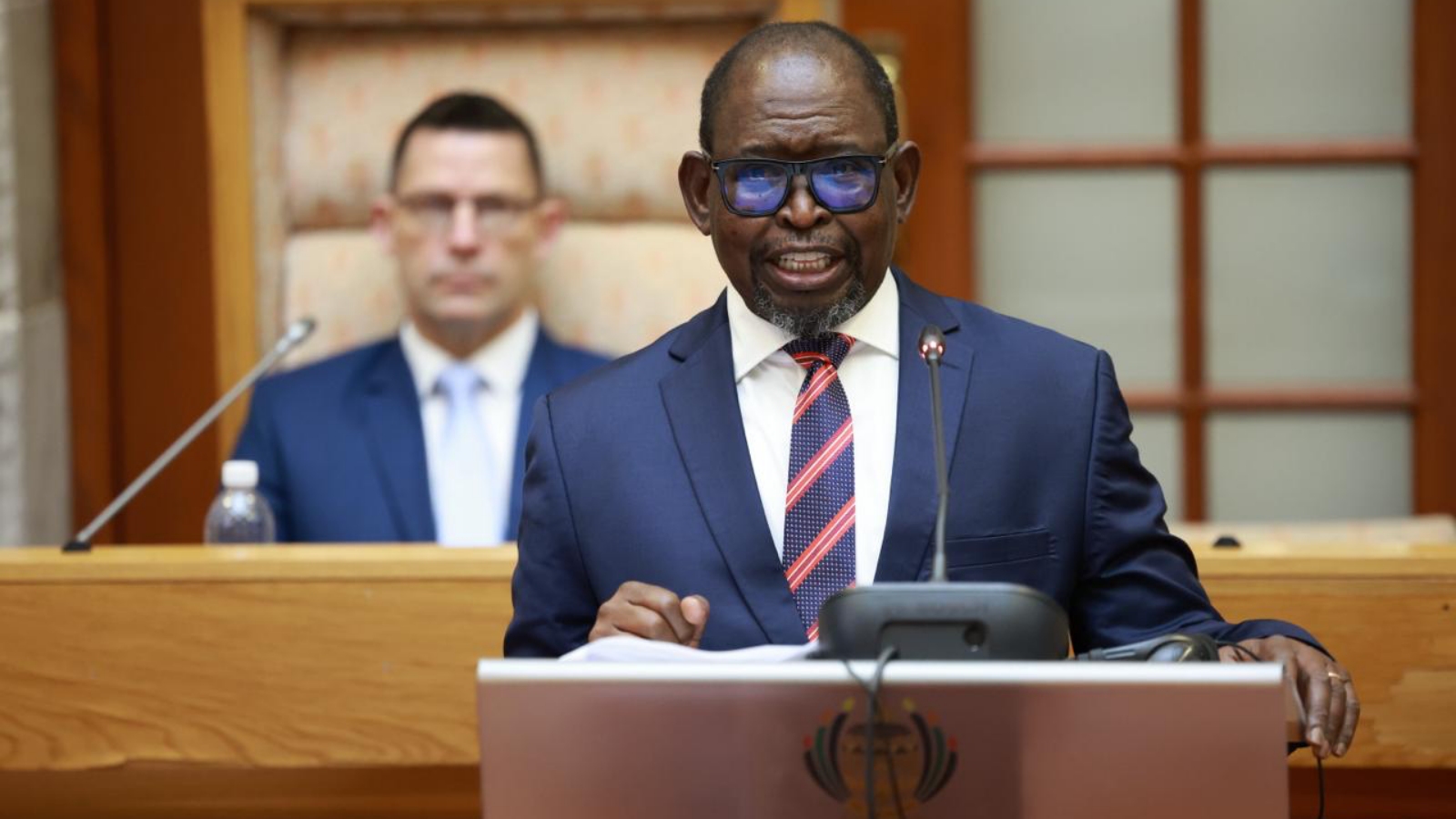
The AA said the basic fuel price formula needs the same scrutiny as the levies, since this is the single biggest part of what motorists pay at the pump, set by the Department of Mineral and Petroleum Resources and not Treasury.
Ramagwede called for the government to remove the levies the Finance Minister named, and to publicly review the basic fuel price formula.
“I still think there is room for efficiency at the basic fuel price level. A public review is how we find it,” he said.
With Minister Godongwana admitting that phasing out the general fuel levy would leave a gap of about R80 billion in the fiscus, Ramagwede said Government needs to figure out how to fill that gap.
“I have long held the view that the problem is not revenue collection. It is expense management and budget allocation,” said Ramagwede.
“Our fiscus is porous. That needs to be fixed if we want interventions like this one to succeed.”
To rectify this issue, the AA suggested the government fix the cause of road crashes and then change who pays for them.
It used the RAF levy, which funds compensation for people injured on the roads and the families of those killed, as an example after Godongwana said removing it would significantly decrease the petrol price.
“We do not need a central fund to cater for road injuries. We need to deal with the root causes: poor road user behaviour, decaying infrastructure and questionable vehicles,” said Ramagwede.
“Improve those, and the state carries less of the cost of compensating the people hurt in crashes.”
He explained that the funding model must change too, since most developed economies have made compulsory third-party insurance the answer to what the RAF is battling to get right.



 Loading ...

Conversation
1 commentsAny headline that starts with “Plan” usually goes nowhere.