Trucking companies in South Africa have criticized the recent suggestions by the Minister of Transport that the freight industry has failed to assist in fixing the country’s roads, and that new toll fees could be introduced to address this.
The President of the Truckers Association of South Africa, Mary Phadi, responded to these claims in an interview with eNCA, arguing that the industry is already under significant financial pressure.
“Why put more pressure [on freight companies] and not use the current fees that we have given you as a government for you to maintain the roads that we have?” she said.
High transport costs are bad for the country
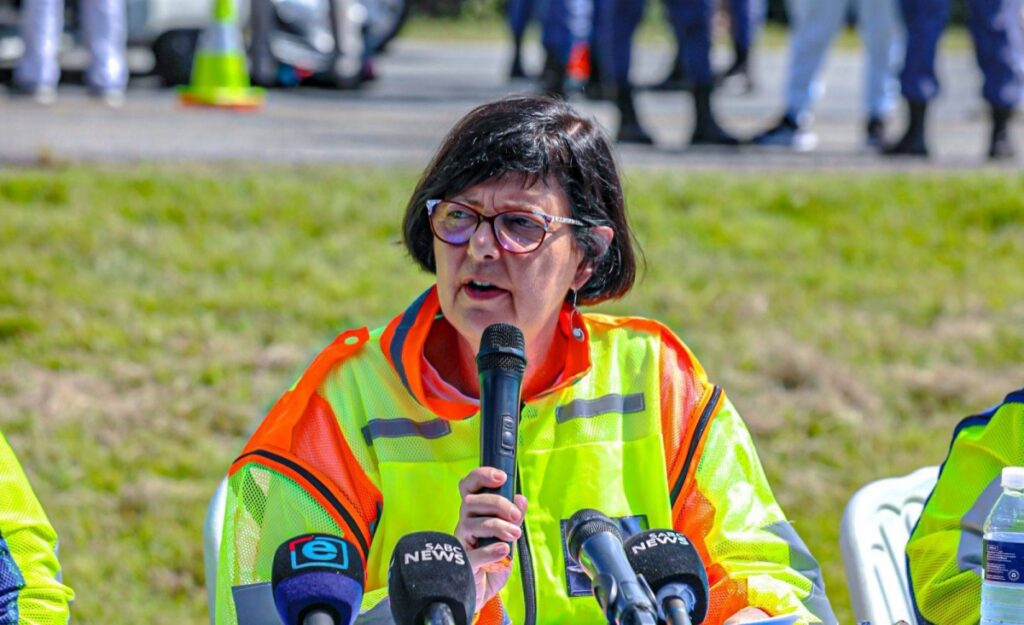
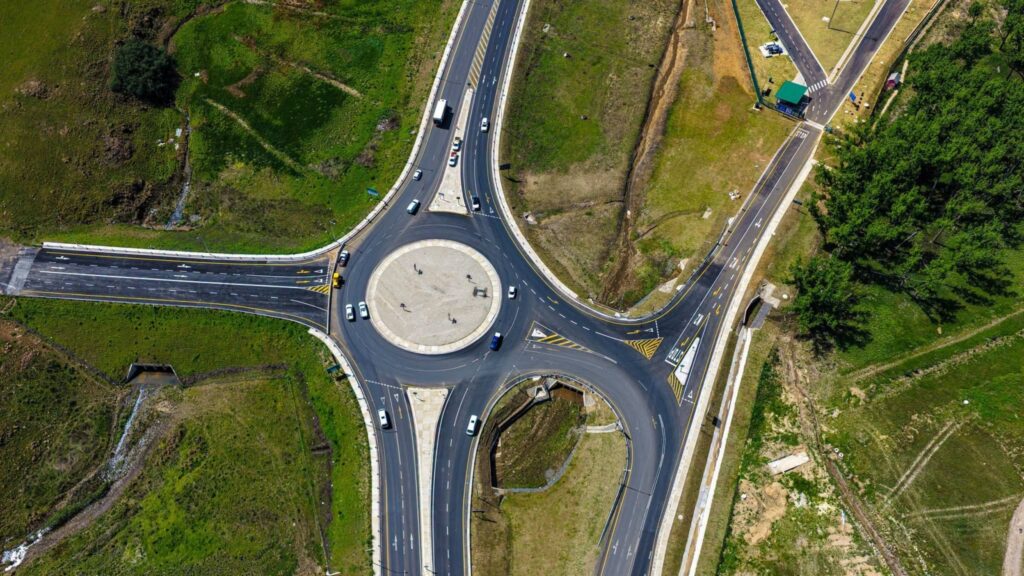
Transport Minister Sindisiwe Chikunga spoke about the state of South Africa’s roads while visiting a notorious stretch of poorly maintained tarmac on Moloto Road outside Pretoria this week, where she stated that a “robust feasible plan” was in place to fix these issues, but that it would only work if companies, especially those in the trucking industry, comply with it.
She claimed that the freight sector “was not playing ball” with the Department of Transport’s proposals despite heavy-duty trucks being one of the biggest contributors to the country’s deteriorating infrastructure.
However, Phadi stated that, despite being involved in weekly meetings with government freight committees, the Trucker’s Association had not seen the plan nor discussed it.
She explained that one of the only proposals the industry had been made aware of was another suggested hike to the toll fees paid by trucks, but that no further details had been provided.
This suggestion has drawn criticism from freight companies who argue that there are already a considerable number of costs trucks must pay to use South Africa’s roads, including levies, toll fees, and licence fees.
This is in addition to the skyrocketing cost of fuel, which is currently sitting at R22.62 per litre for diesel as of March 2024.
Furthermore, many contractors are now spending significant sums on private security due to the risk of hijackings and other acts of violence committed against truck drivers in the last year.
In July 2023, 16 trucks were set ablaze in three days by armed groups attempting to wreak havoc on the country’s transport sector, resulting in at least five arrests and millions of rands in damages and lost cargo.

A truck destroyed in an arson attack in South Africa in July 2023.
Phadi warned that the operating costs for trucking companies have been consistently rising over the last year and that this has a ripple effect on the economy with rising shelf prices for goods being felt by consumers.
She criticized the proposals, asking where all the money paid by truck drivers is going if it is not being used to fix the nation’s roads.
“If you cannot maintain the roads with the money that truck owners are already paying, you cannot bring in a plan that was not even discussed with the current operators that are bleeding in the freight industry,” she said.

Gavin Kelly, CEO of the Road Freight Association, said that South Africa now relies on trucks to transport 80% of its goods owing to the collapse of its rail system.
This dependence on heavy vehicles has taken its toll on the local road network with millions of new potholes being formed, which are estimated to cost the country more than R500 million every month, according to BusinessTech.
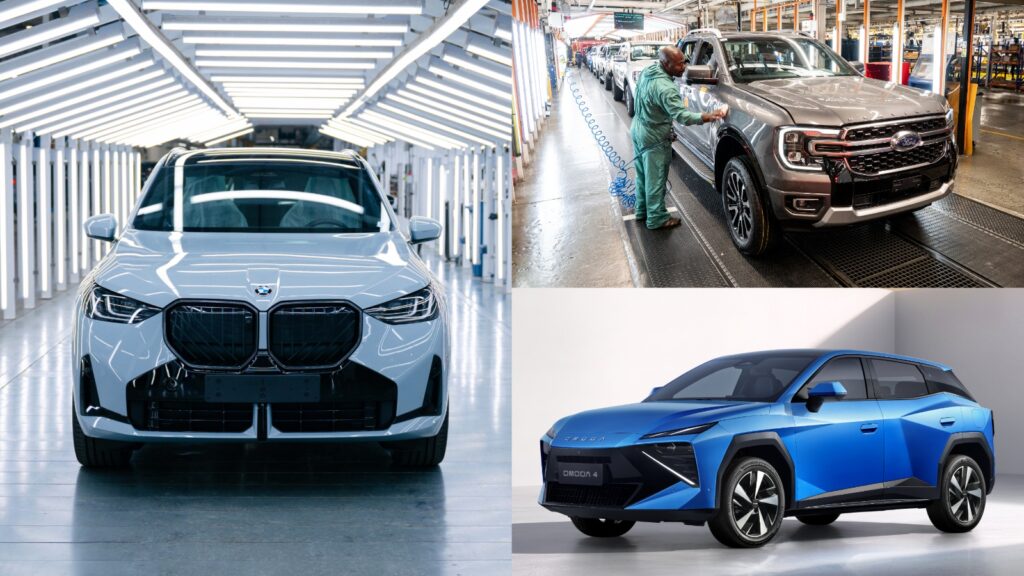
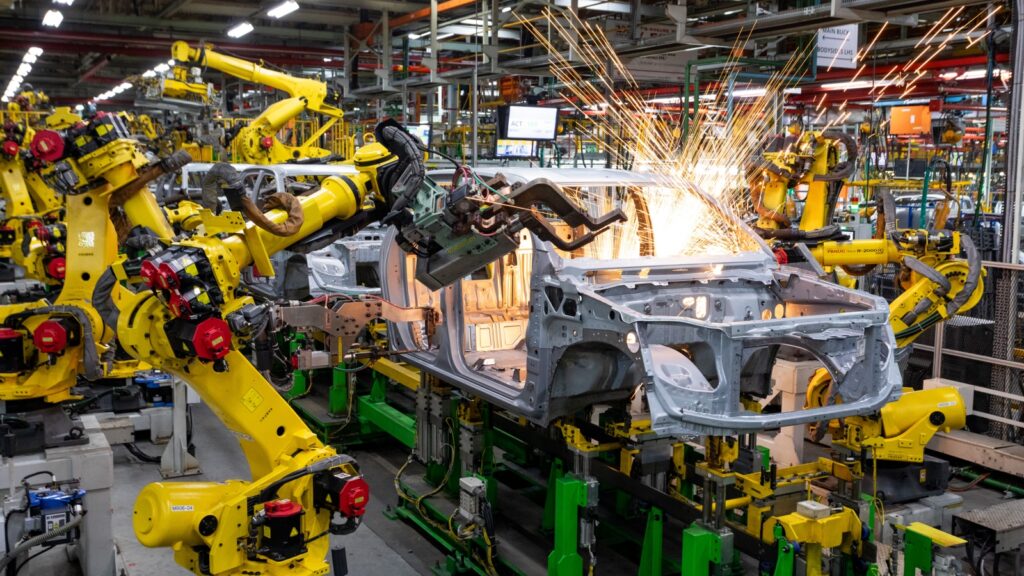
Car companies with factories in Gauteng including BMW, Nissan, and Ford have also weighed in on the issue, as they primarily rely on trucks to transport their cars to the ports in Durban via the N3 corridor.
Ford in particular has expressed a desire to shift more of its transport back to rail, but said that this is not currently possible due to the high levels of cable theft and other issues disrupting the country’s train network.


 Loading ...