
Inside the R1.2-billion plant in Durban manufacturing components for Toyota – Photos


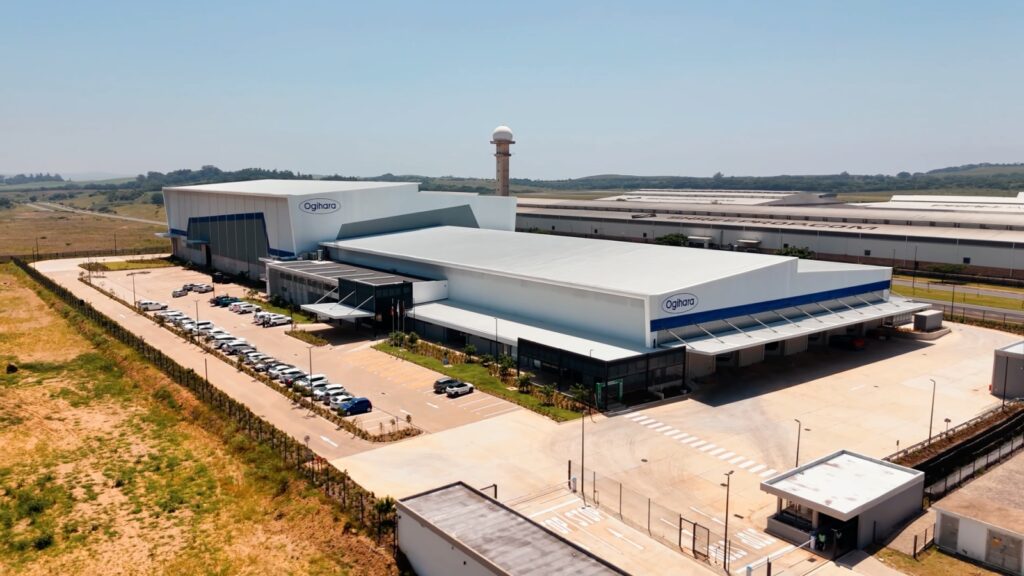
Global automotive supplier Ogihara operates a 32,000 square meter component manufacturing plant that took 13 months and R1.2 billion to complete, and now supplies parts to Toyota South Africa.
The plant is located in TradeZone 2 of the Dube TradePort in Durban, KwaZulu-Natal, and is the largest investment within the Special Economic Zone (SEZ).
Designs for the manufacturing facility were drawn up from February 2024, while practical completion was achieved by the end of March 2025.
According to Stuart Manzie, Industrial Lead at Struxit – an engineering company involved in the factory’s procurement and construction processes – sites closer to the existing Toyota plant at Prospection were not ideal.
That is why this plant is instead located within the Dube TradePort SEZ, which is a dedicated area that makes it easier for companies to conduct business, thanks to lower taxes and better infrastructure.
This model encourages direct foreign investment and job creation, which can be seen in the Ogihara plant.
Manzie explained that once the facility is fully operational and producing all of its parts, which should be around September next year, it will directly employ more than 250 workers, and over 1,000 indirectly.
He added that with several of these workers heading to Thailand for training, the number of jobs being created is just as important as the skills these workers are being taught.
The site currently uses 5MVA (MegaVolt-Ampere), or 5,000,000VA, to operate its multiple presses, welding machines, and robots. To accommodate this, the facility has its own substation.
Currently, South Africa’s original equipment manufacturers (OEMs), including Toyota, are producing up to 40% of their car components locally, with the Ogihara factory accounting for around 2% of this total output.
The government aims to have local car manufacturers produce 60% of their components locally by 2035.
The production line
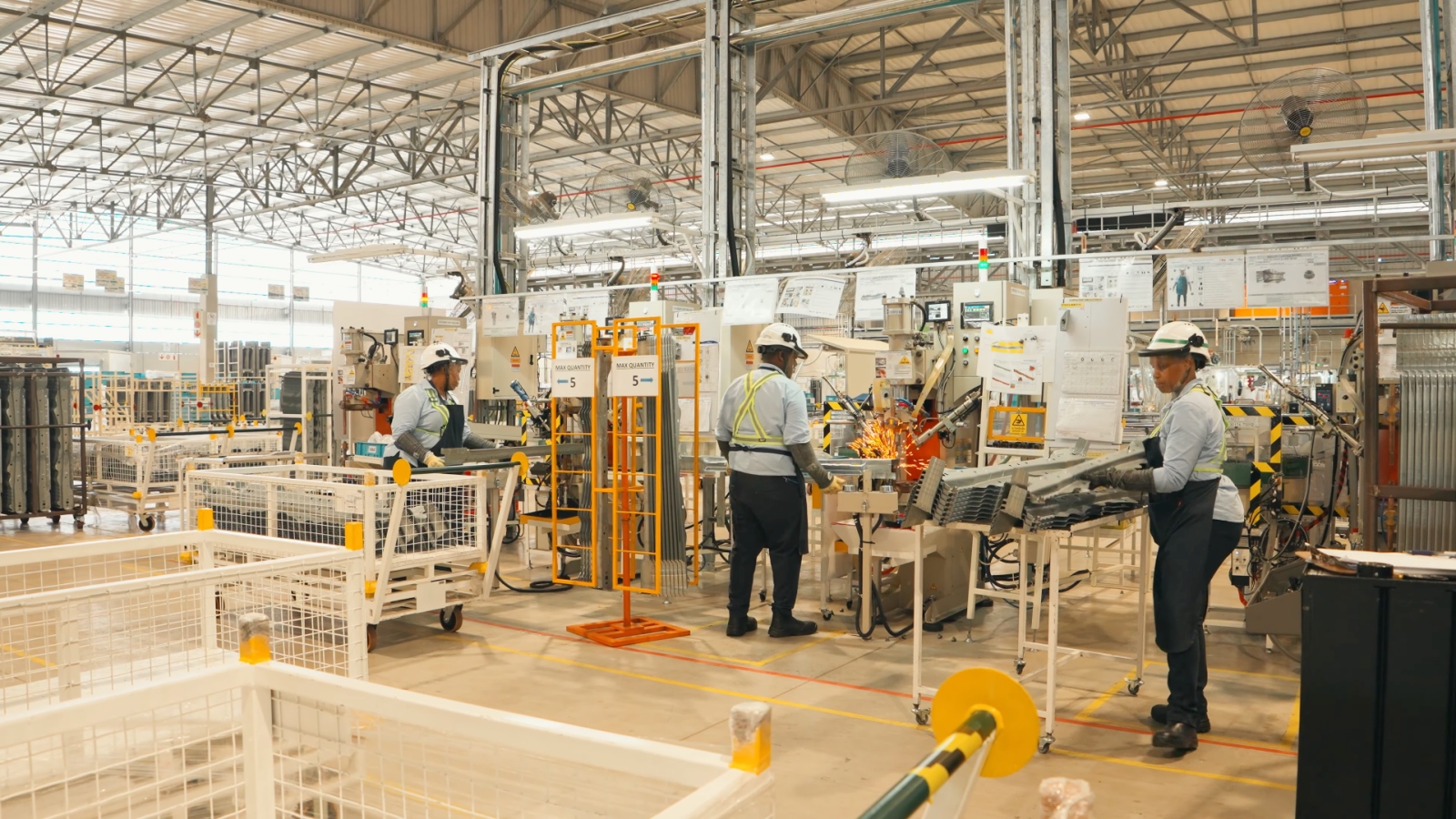
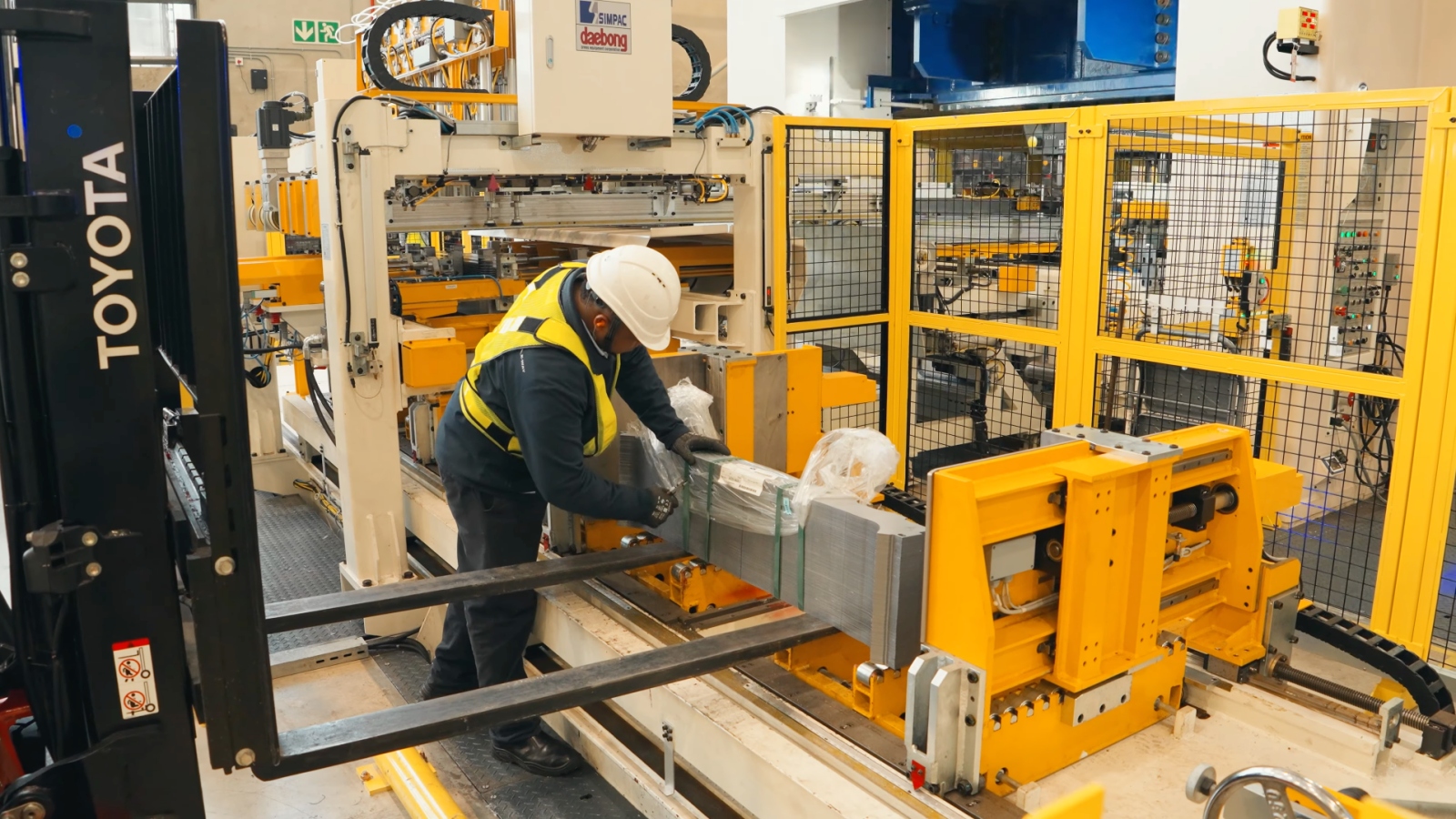
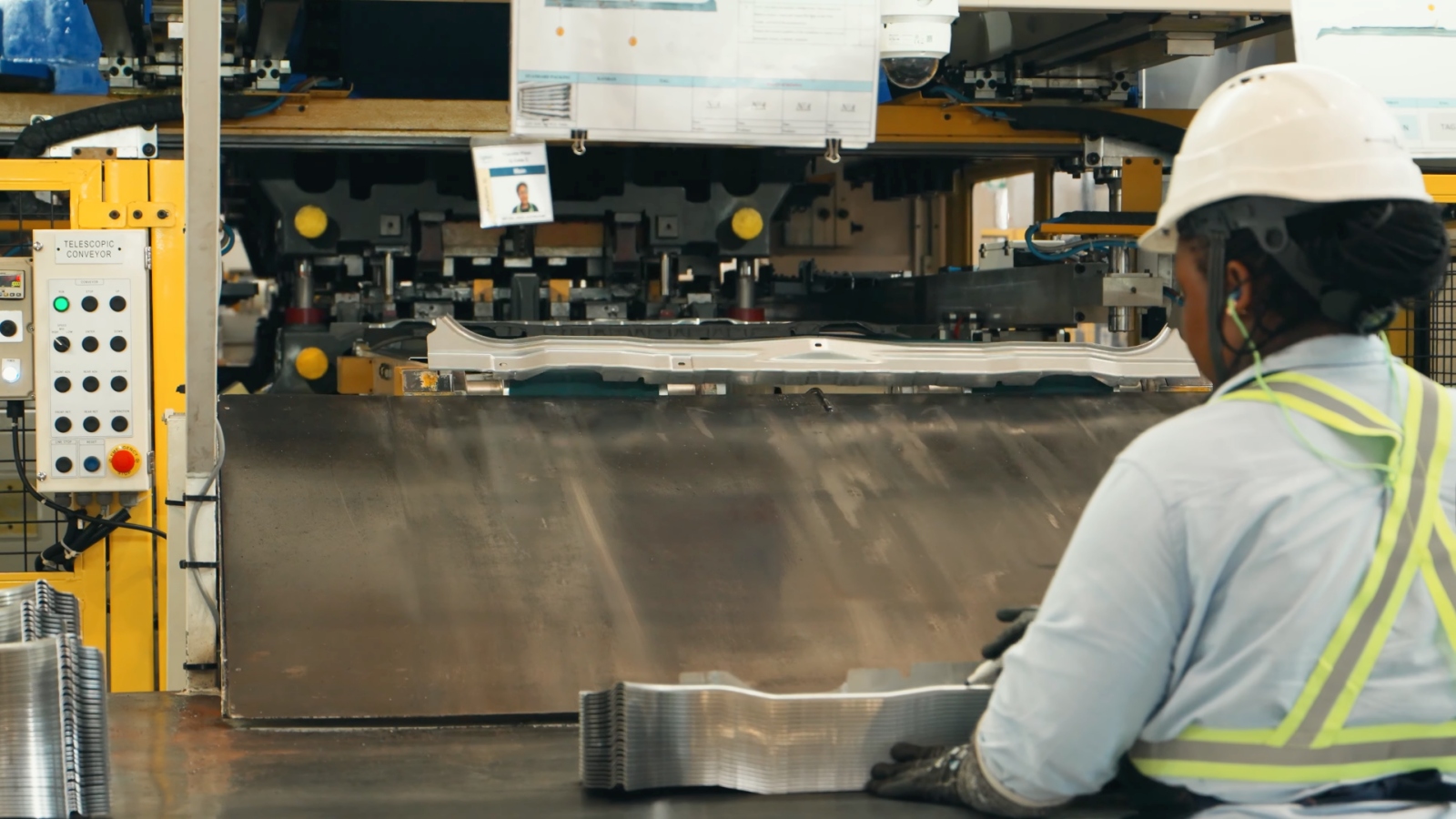
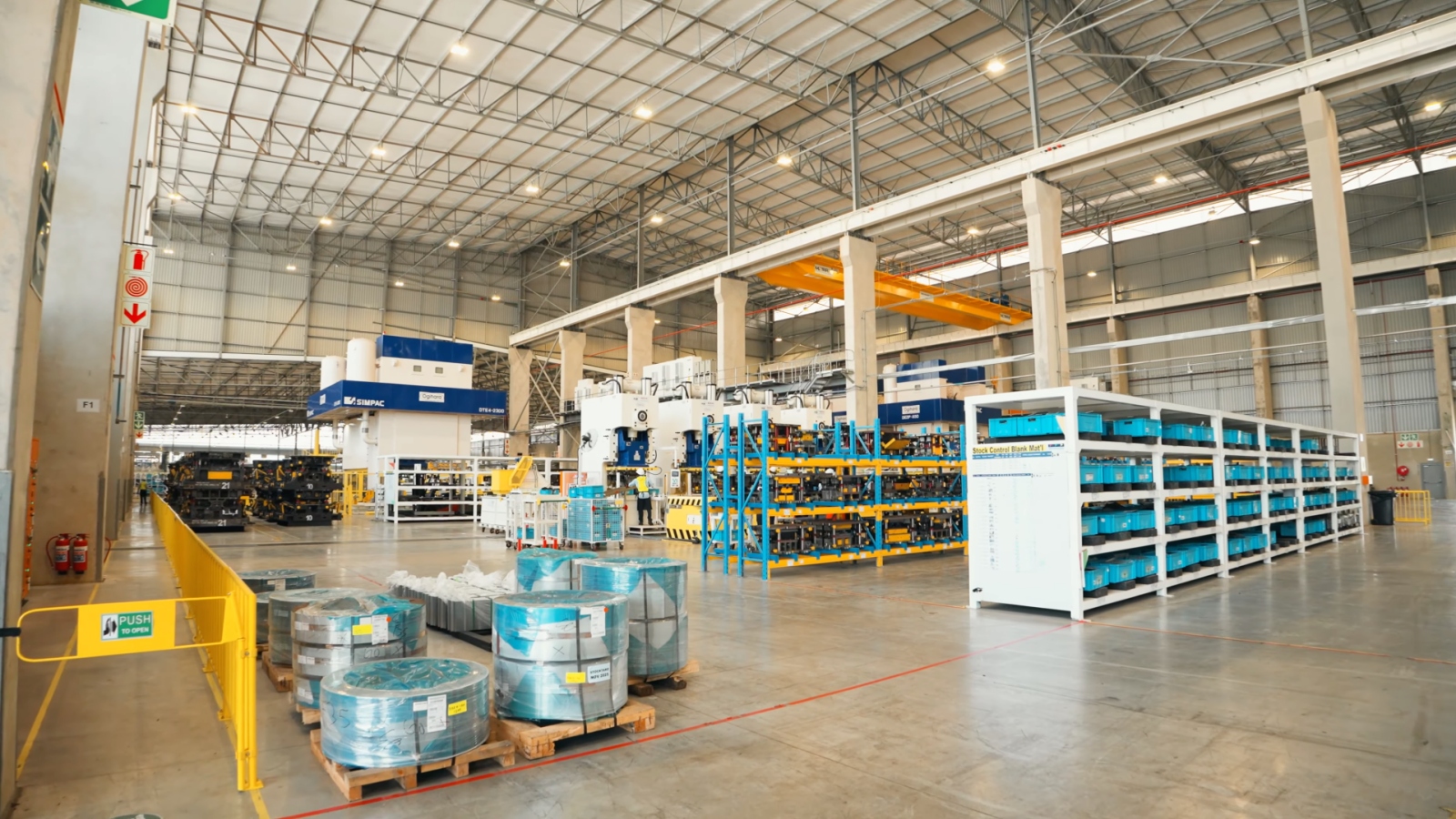
The necessary raw materials, which are either steel coils or flat metal sheets known as “blanks”, are delivered to the plant, where they are put through the pressing process.
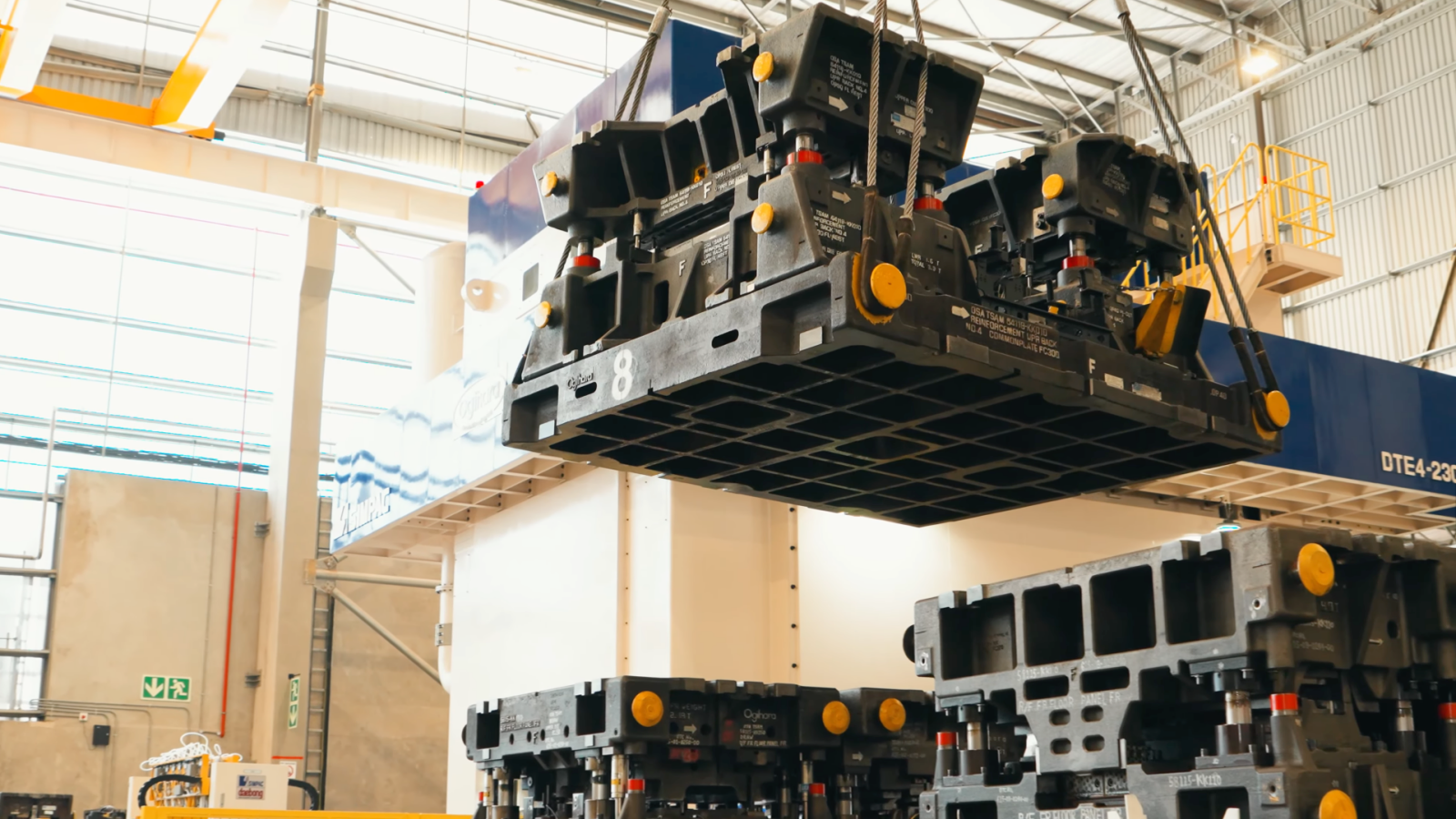
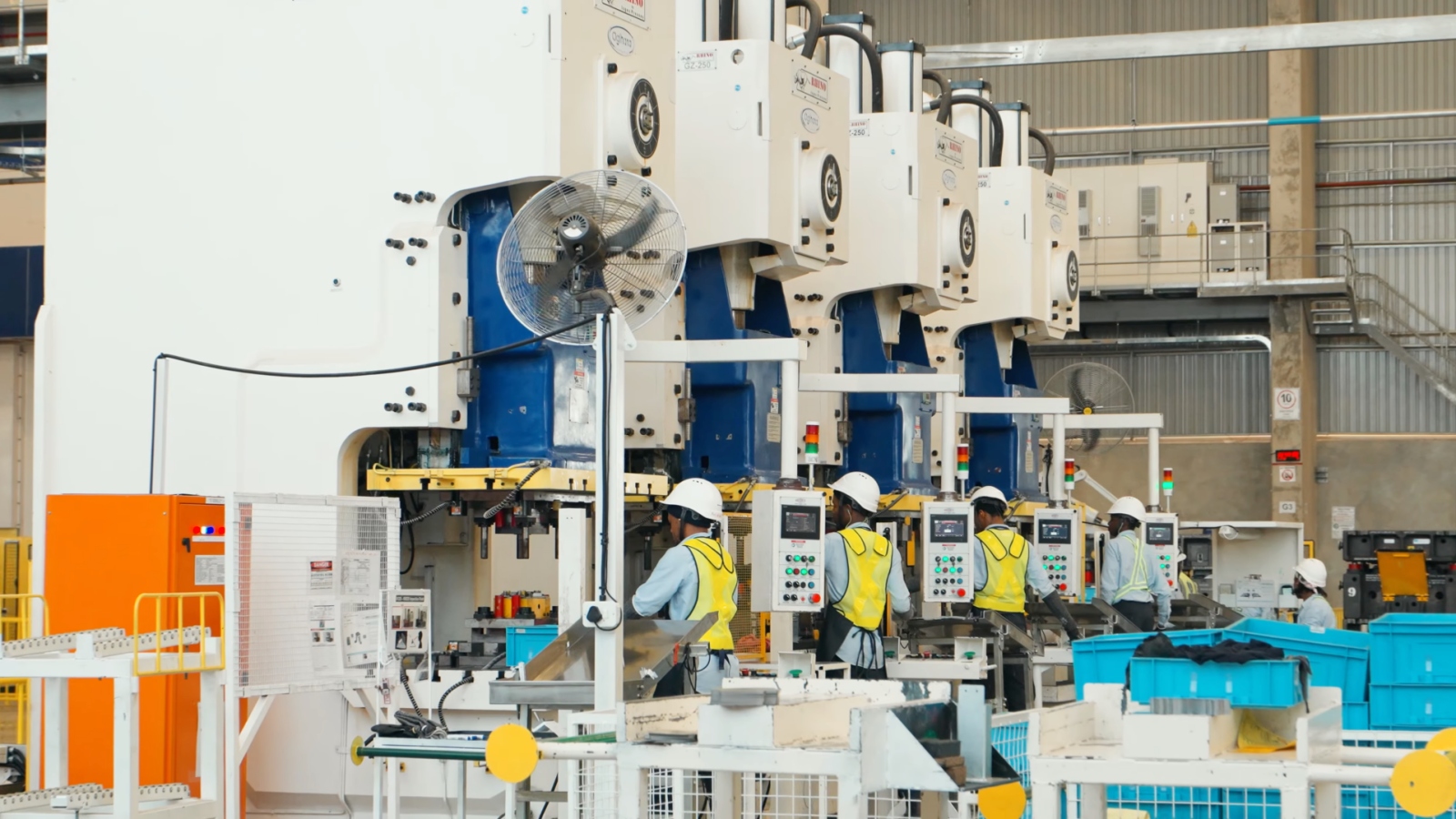
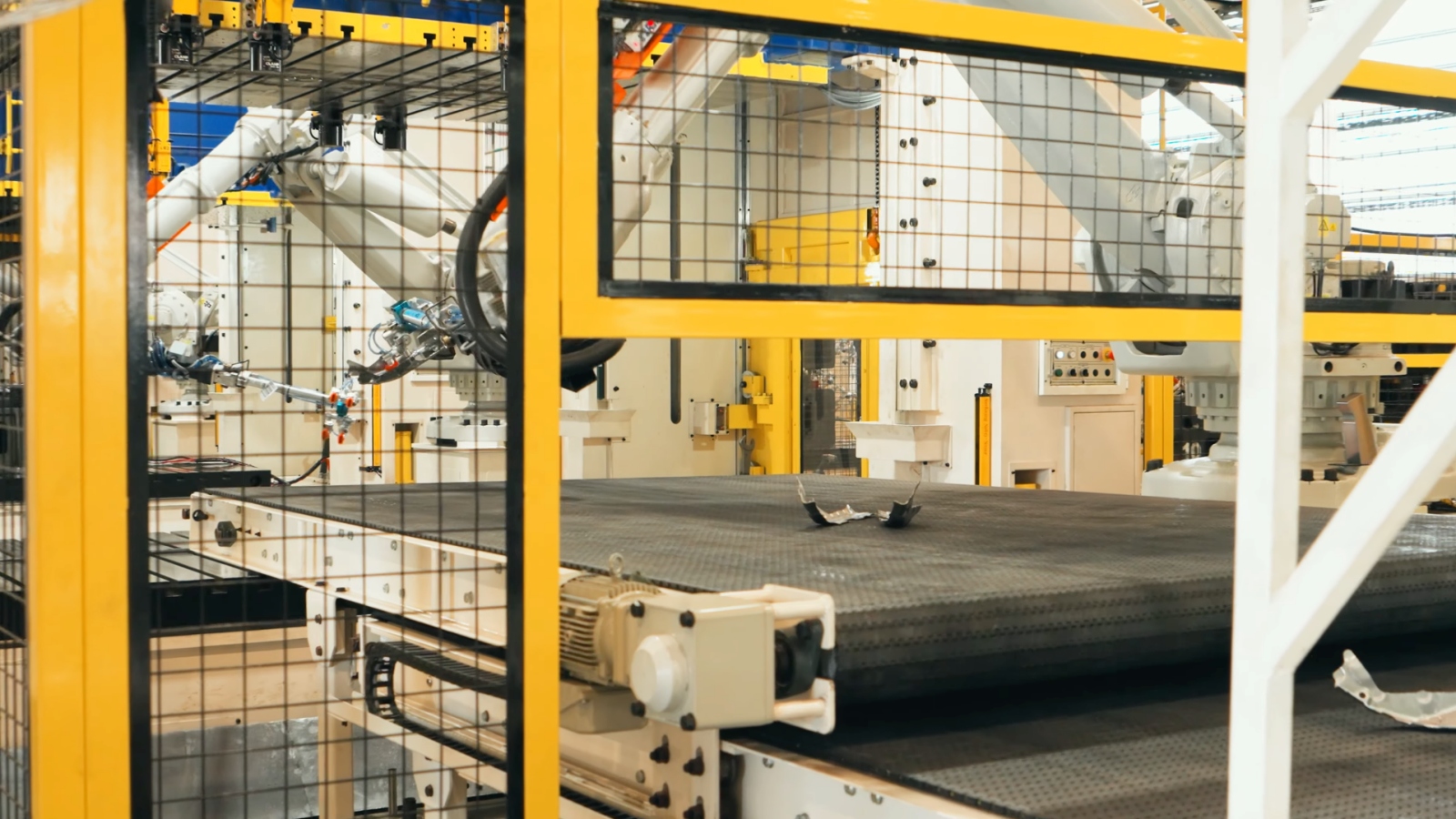
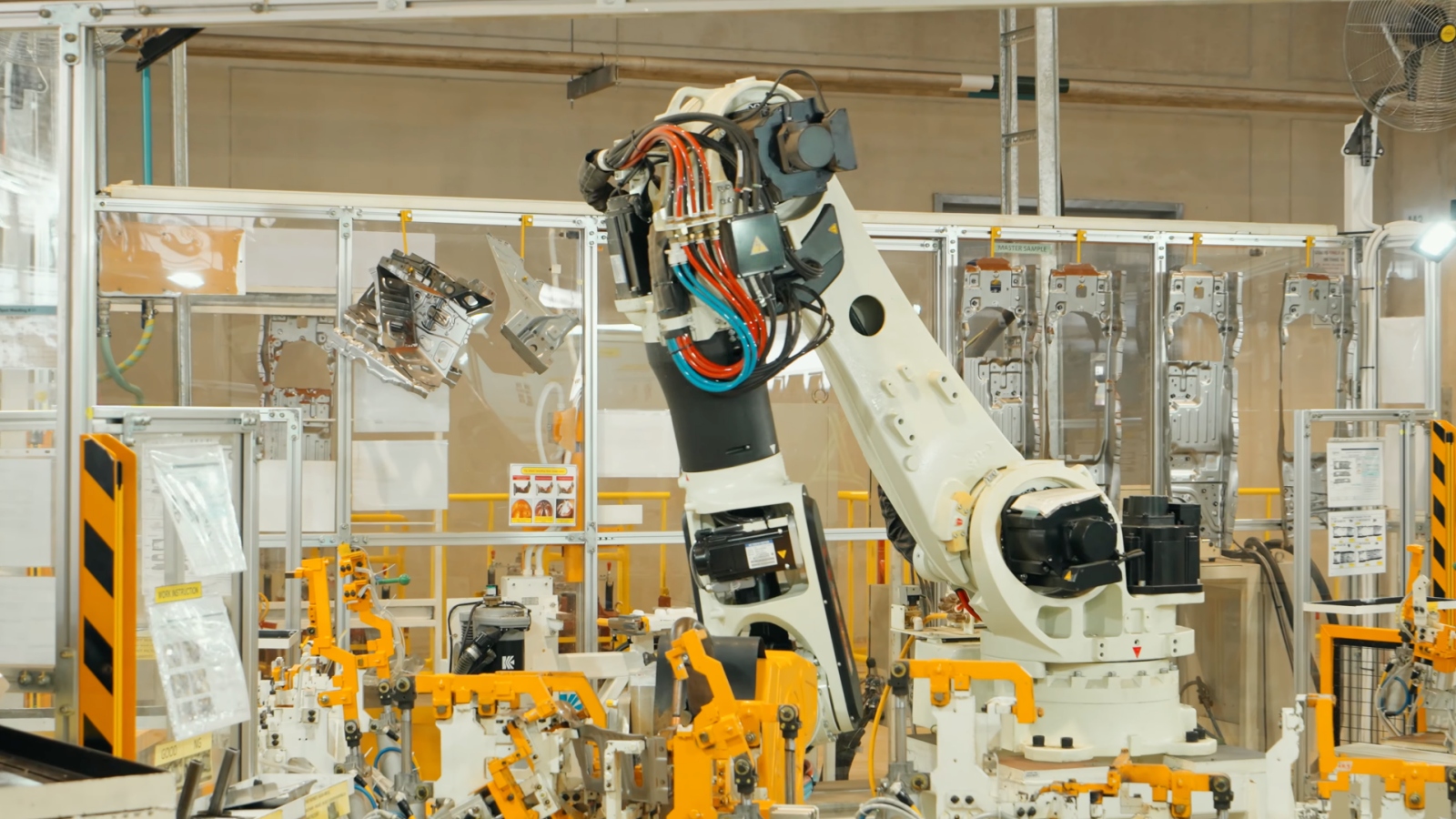
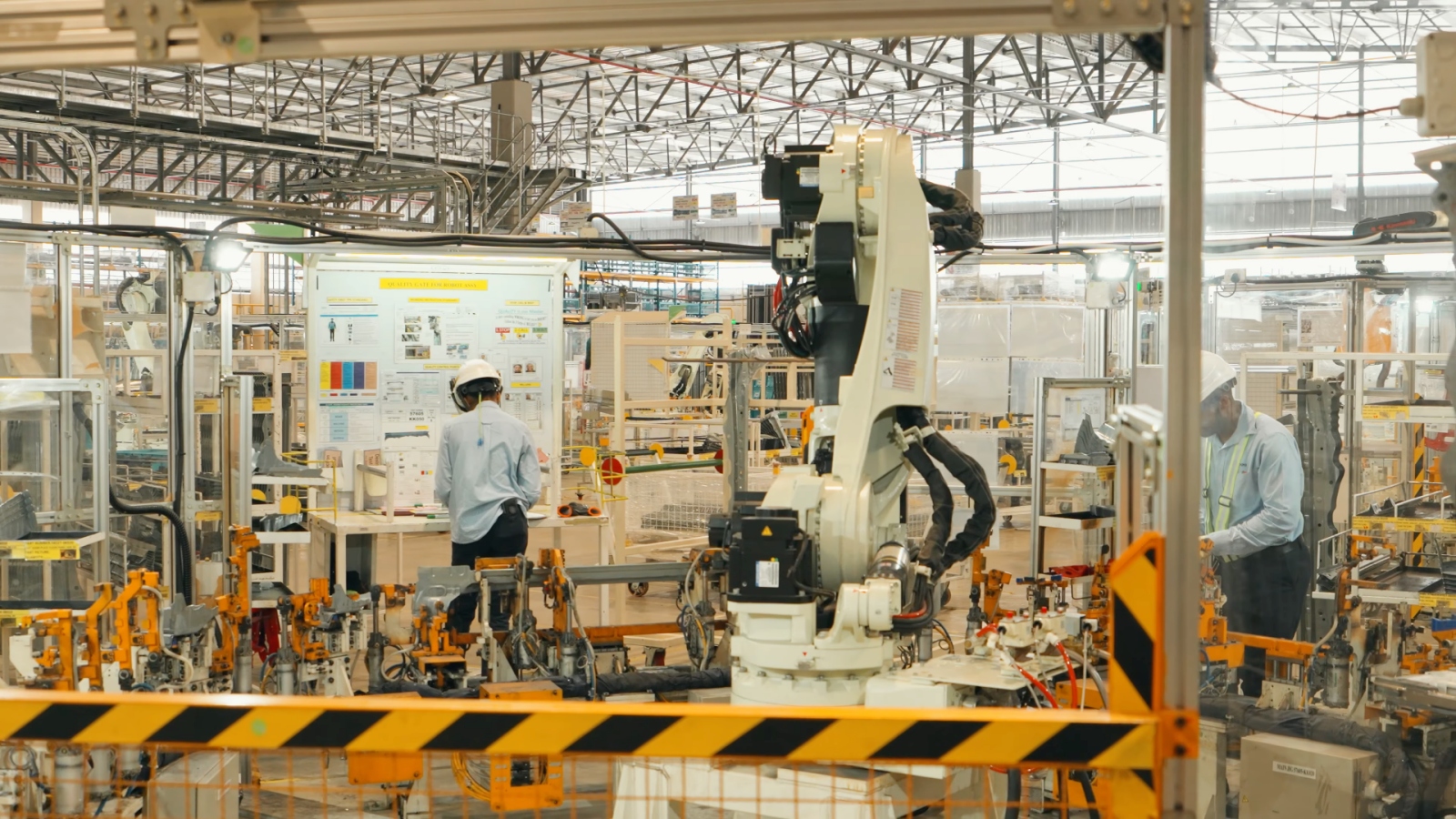
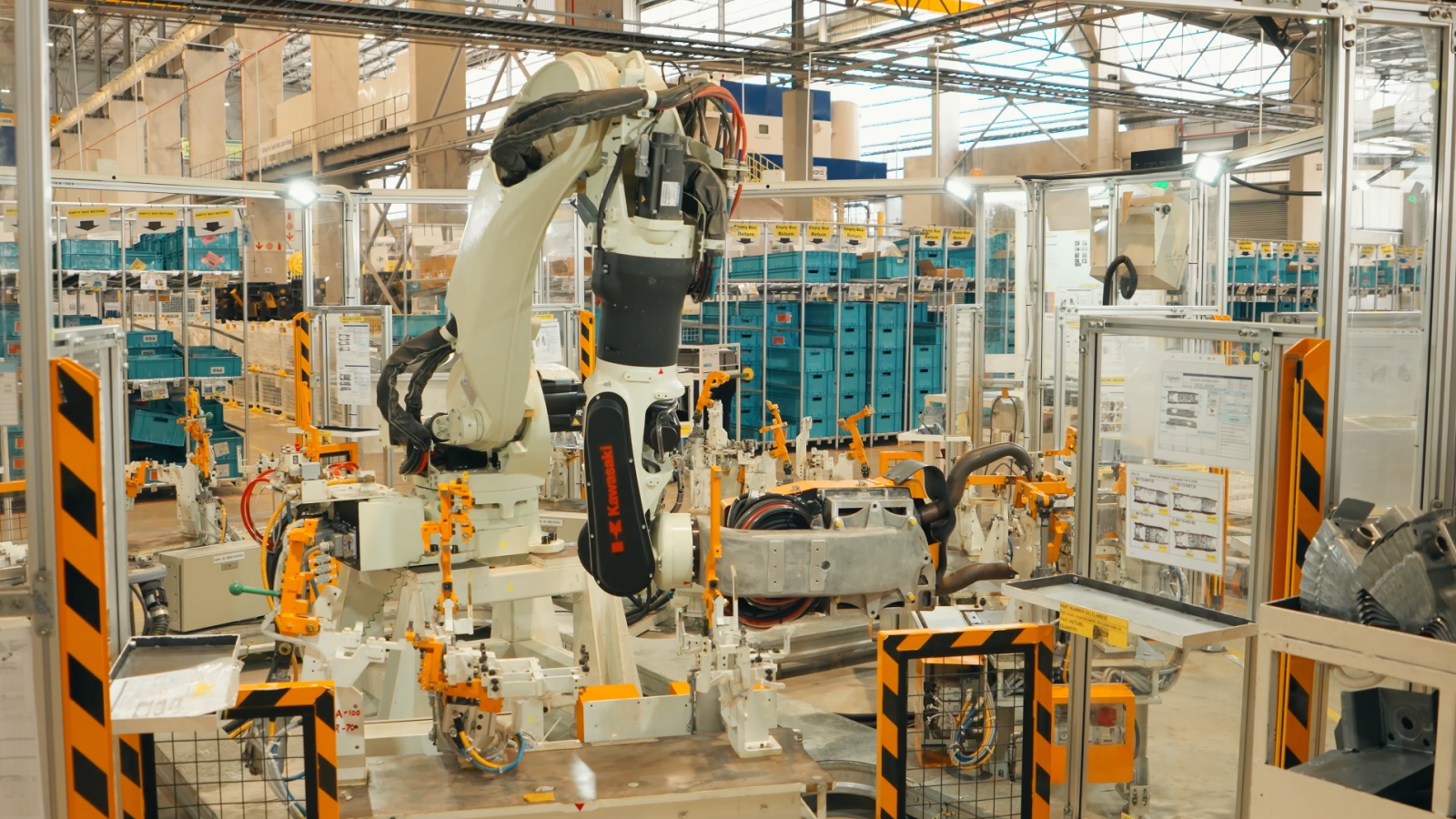
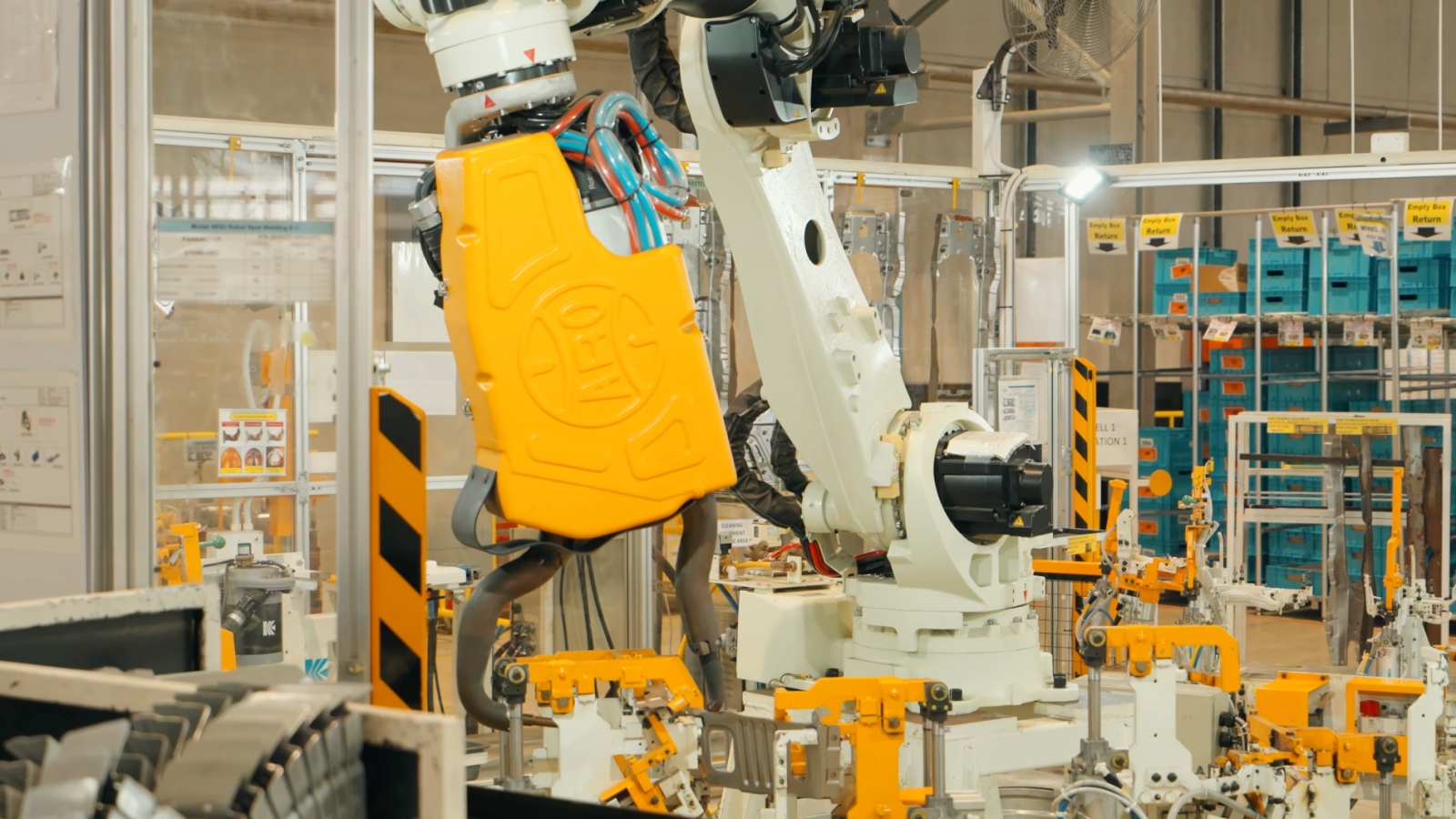
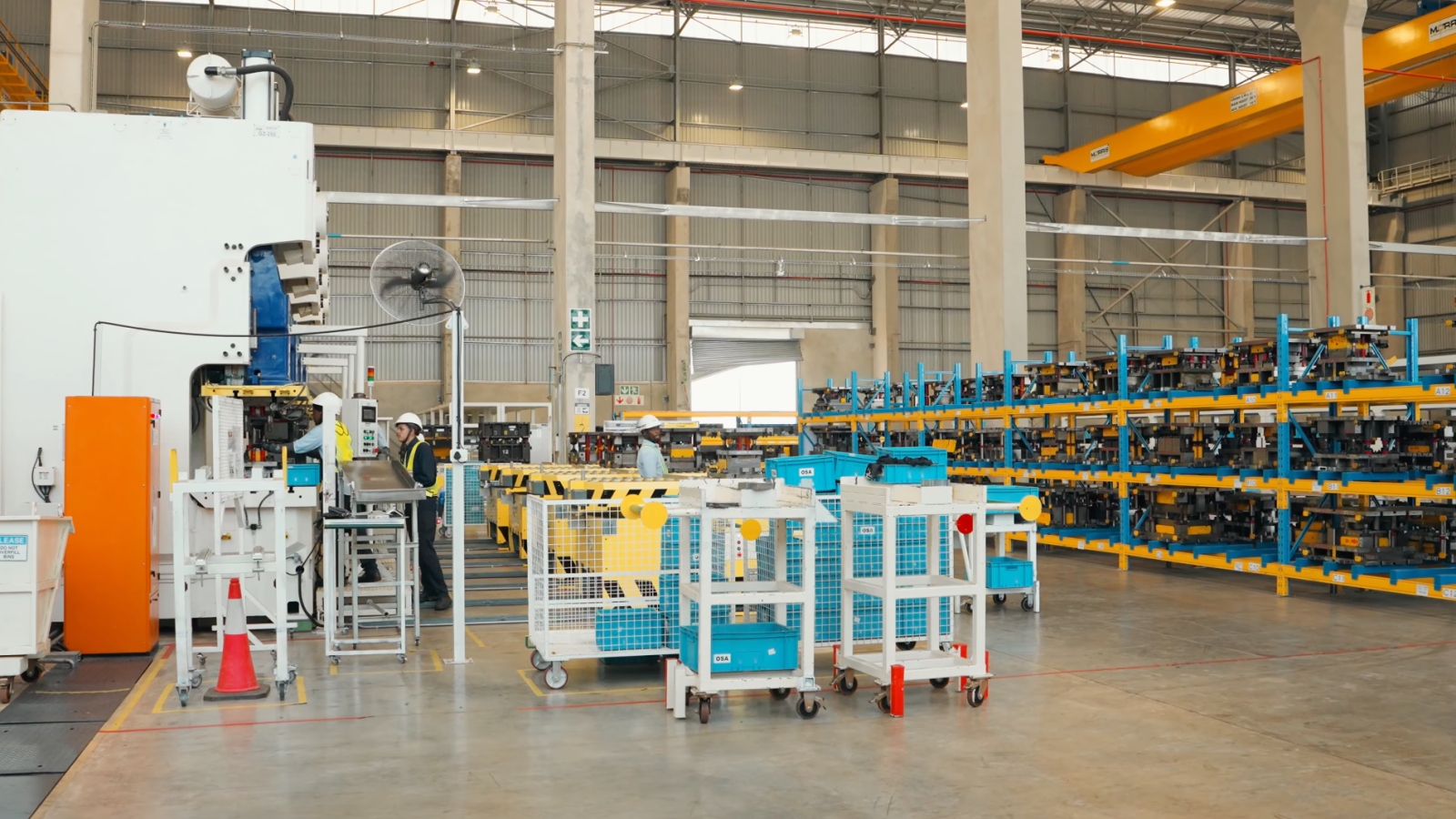
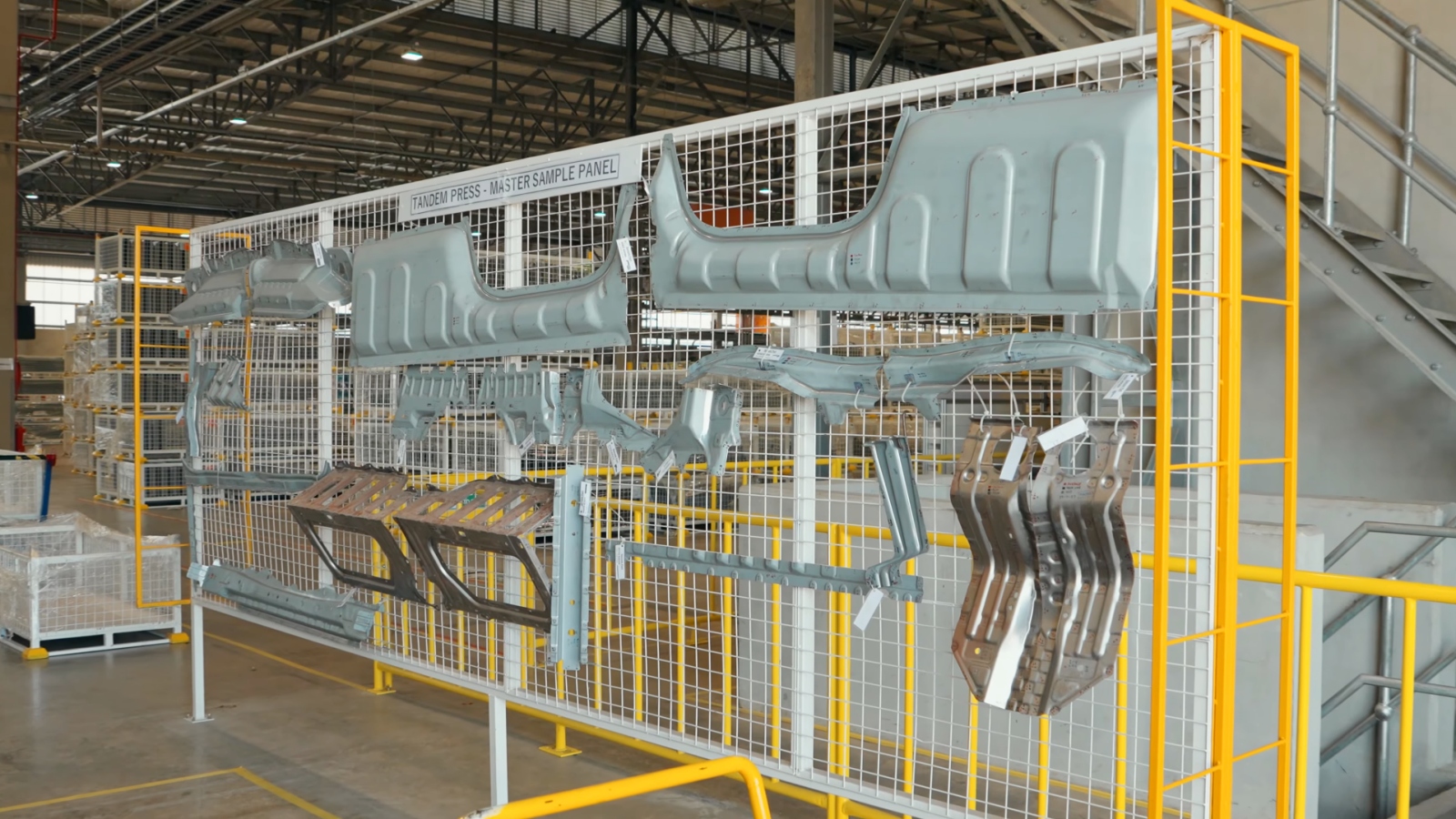
These are then pressed into different components using high-tonnage machinery, including a series of presses, stamping parts, and robots, of which the facility has many.
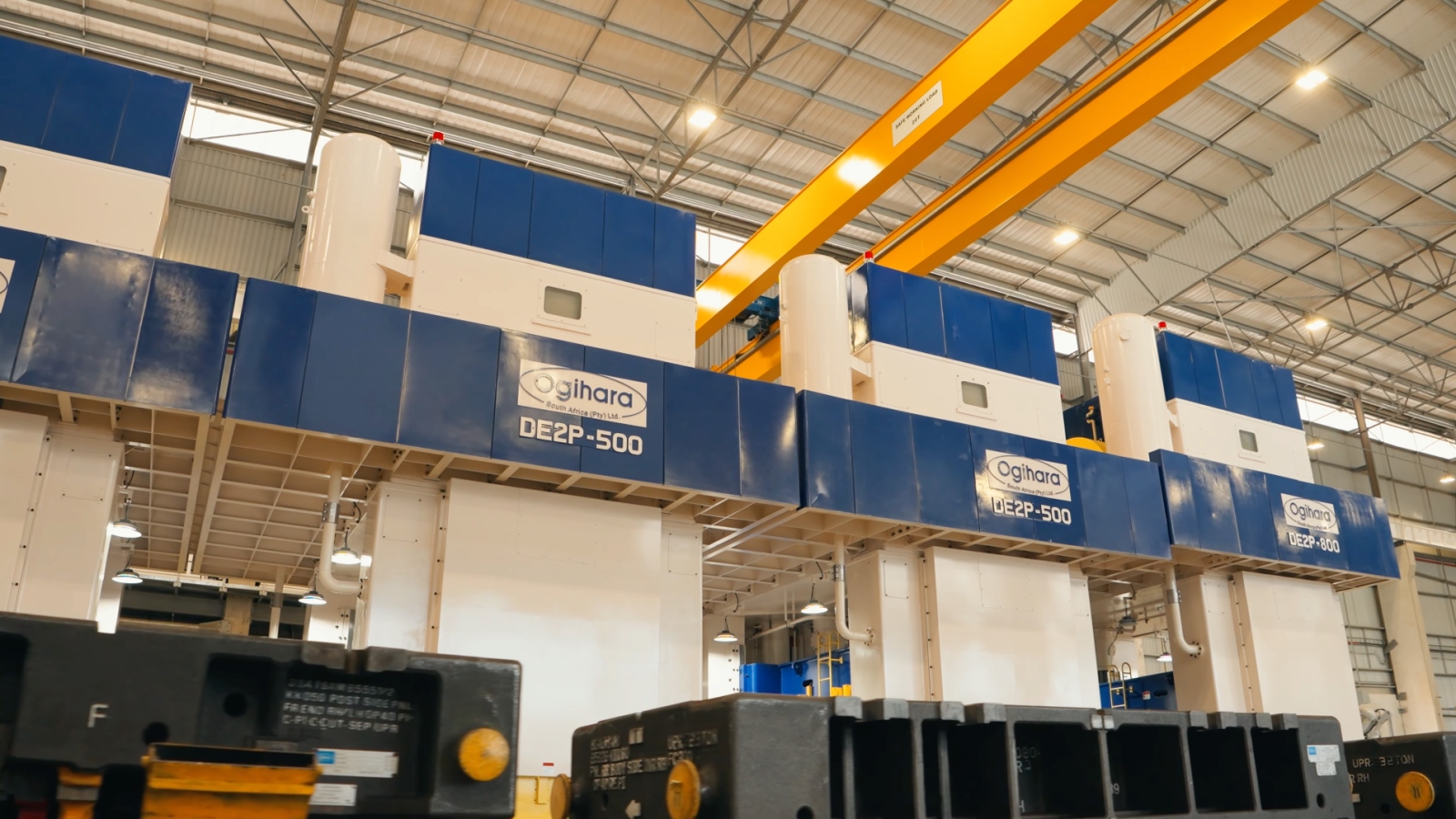
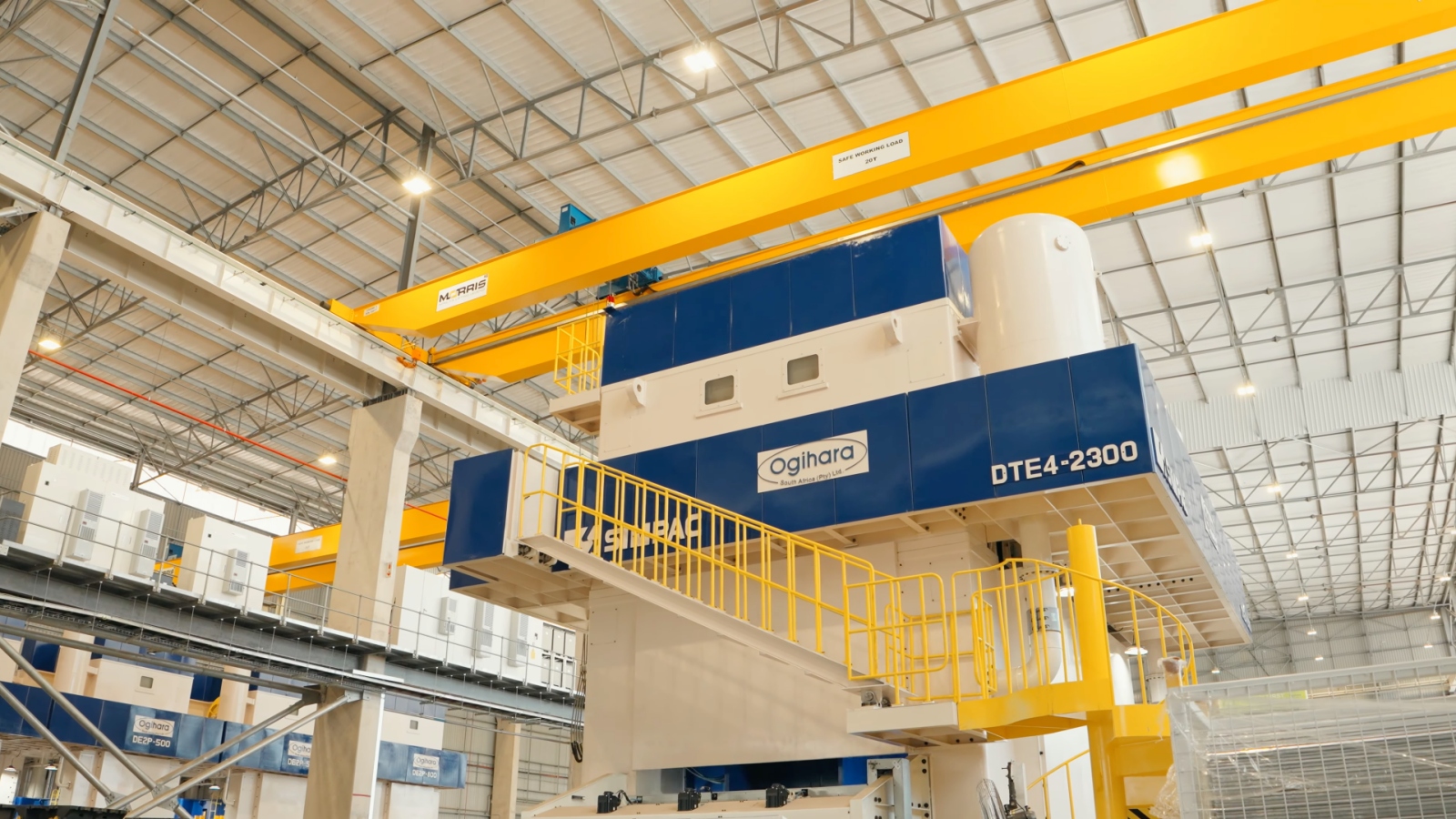
The facility uses a series of presses, starting with an 800-tonne unit, followed by three 500-tonne units, and a standalone press capable of exerting forces up to 2,300-tonnes.
The smaller presses take care of thinner sheets, forming smaller components, while the latter is responsible for the forming of larger parts and panels made of thicker materials.
Because the process creates immense vibrations, each press sits on a damper to absorb some of the vibration generated by the pressing process.
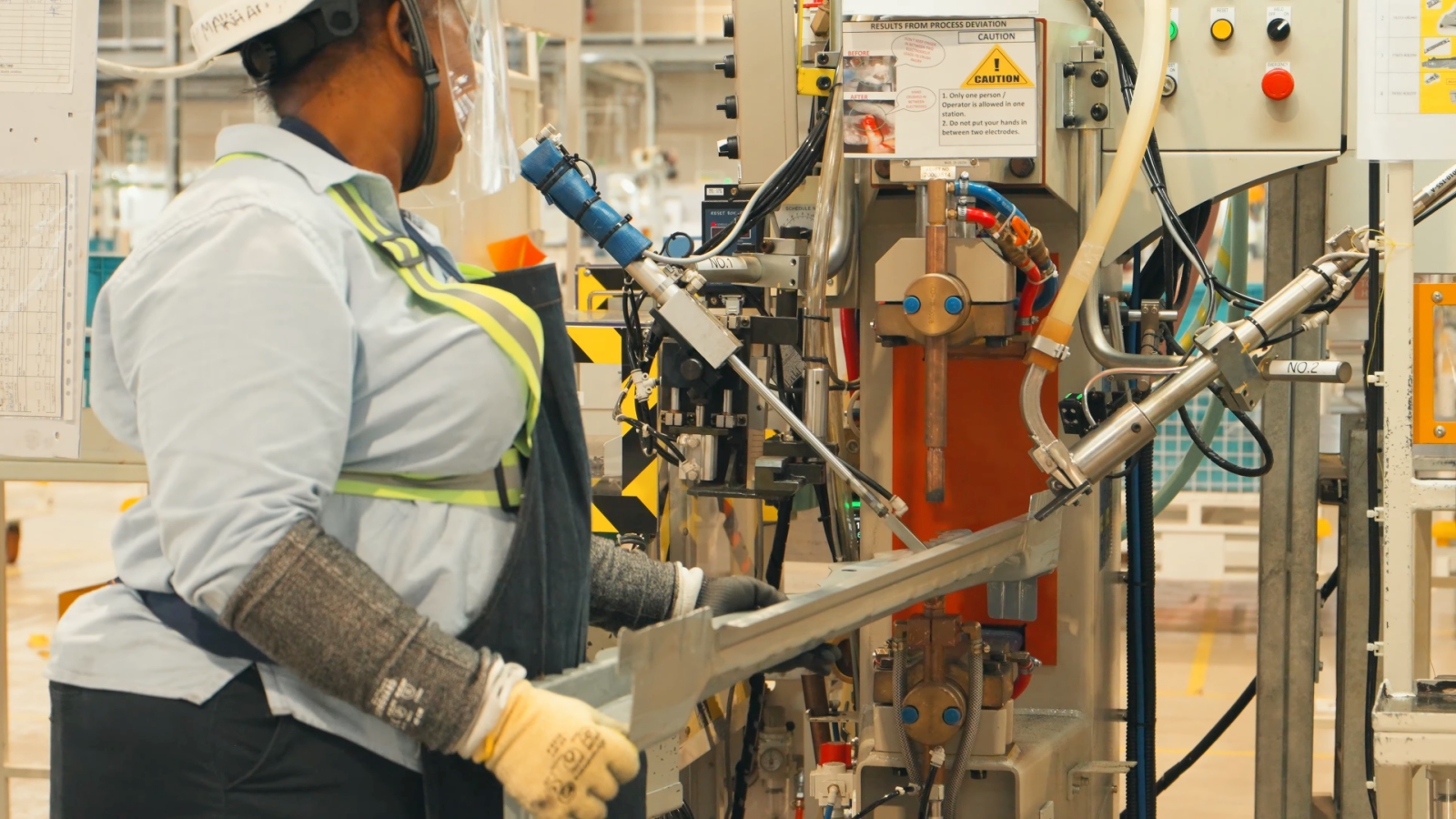
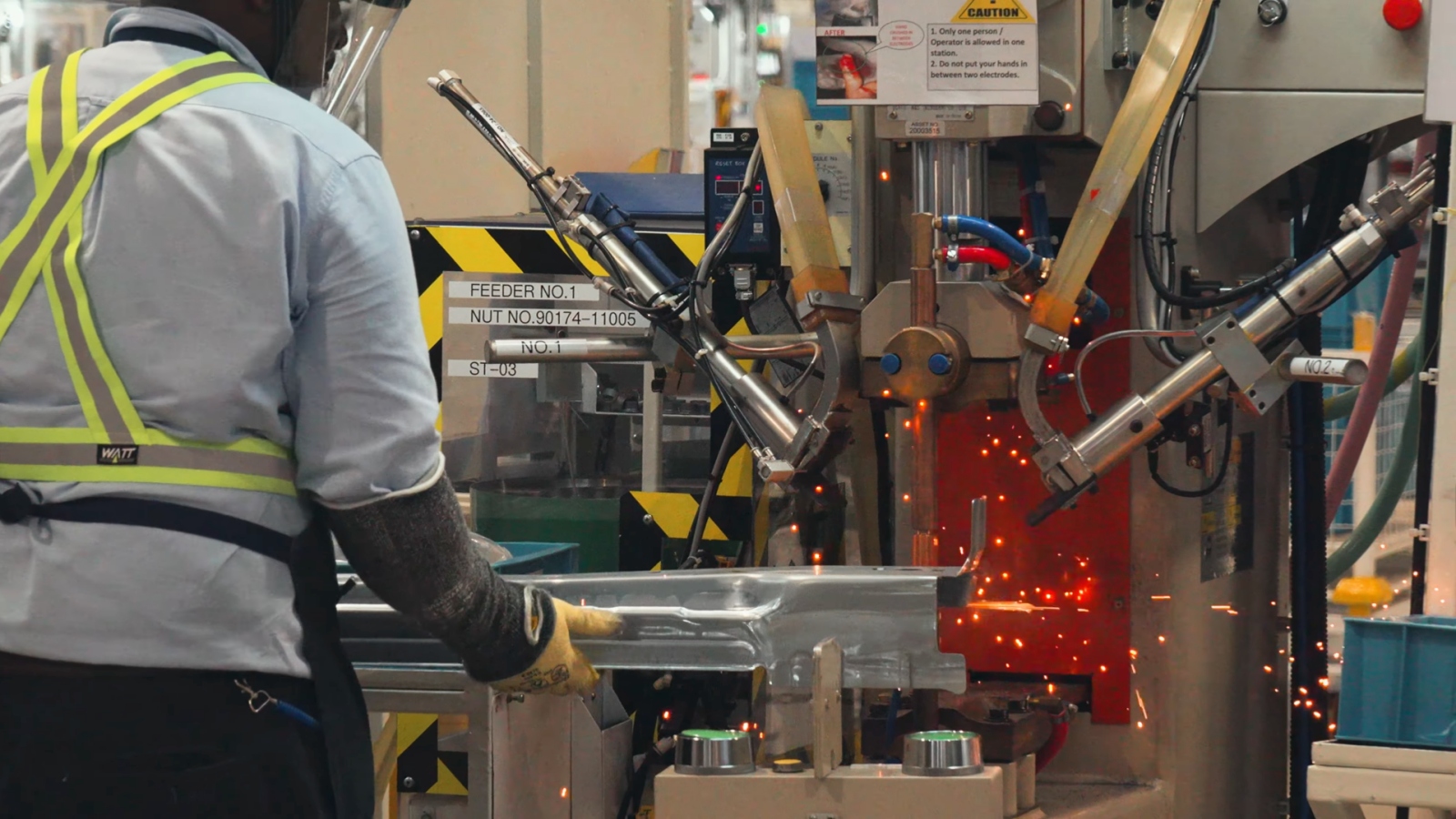
Once the panels are pressed into shape, they are transported to the facility’s weld shop, where they are welded together to form assemblies, which are then delivered to Toyota’s manufacturing plant.
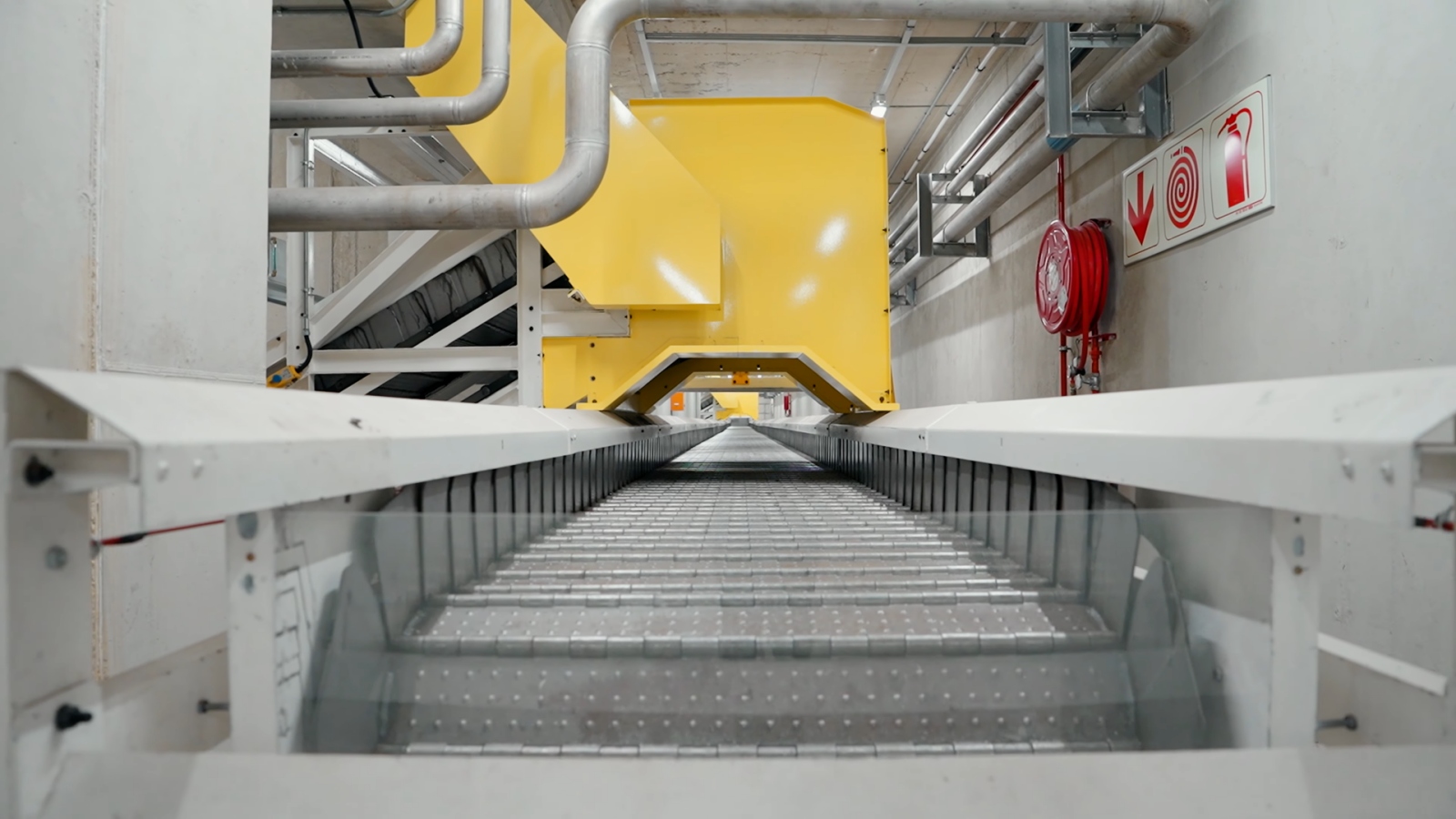
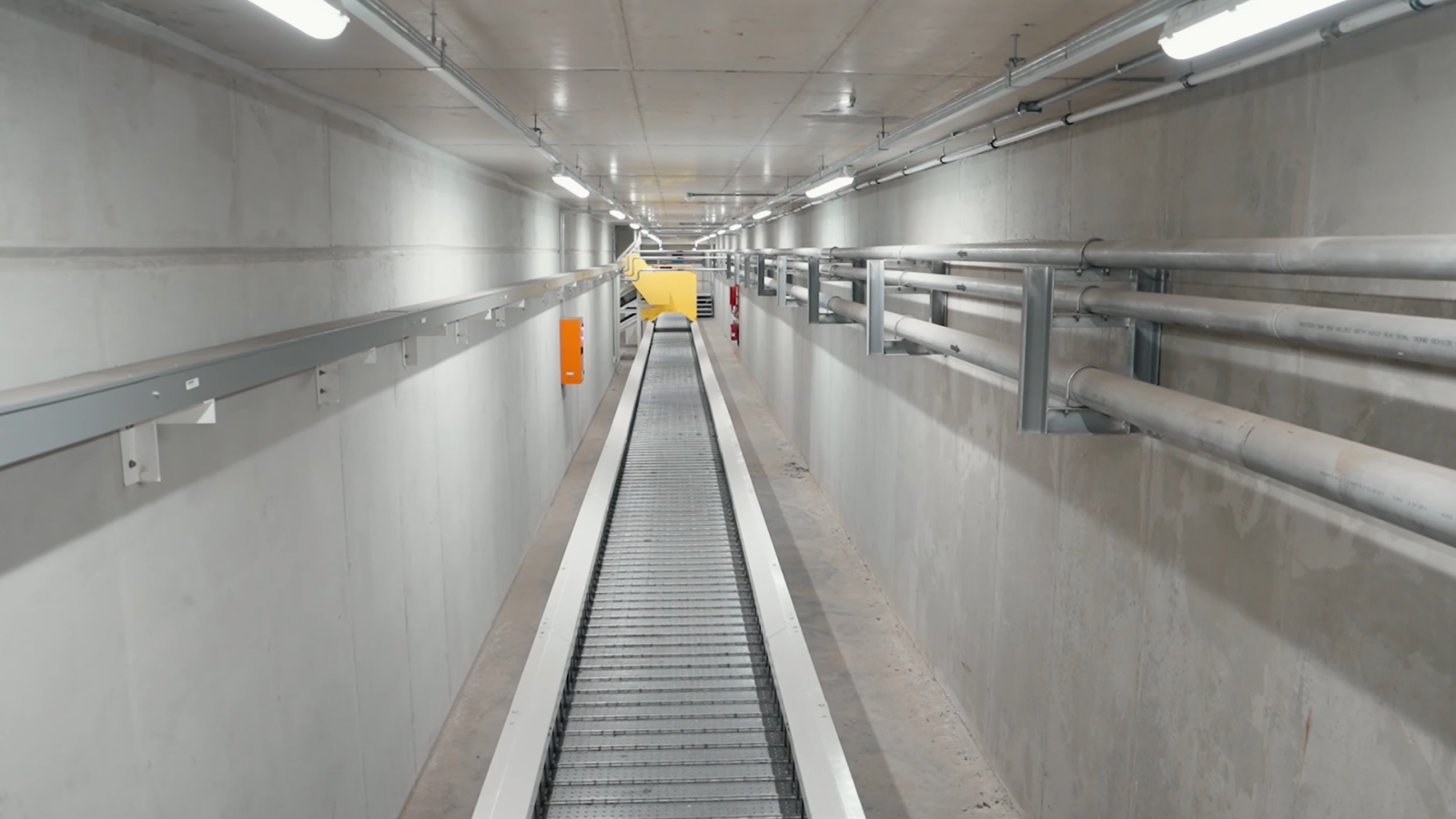
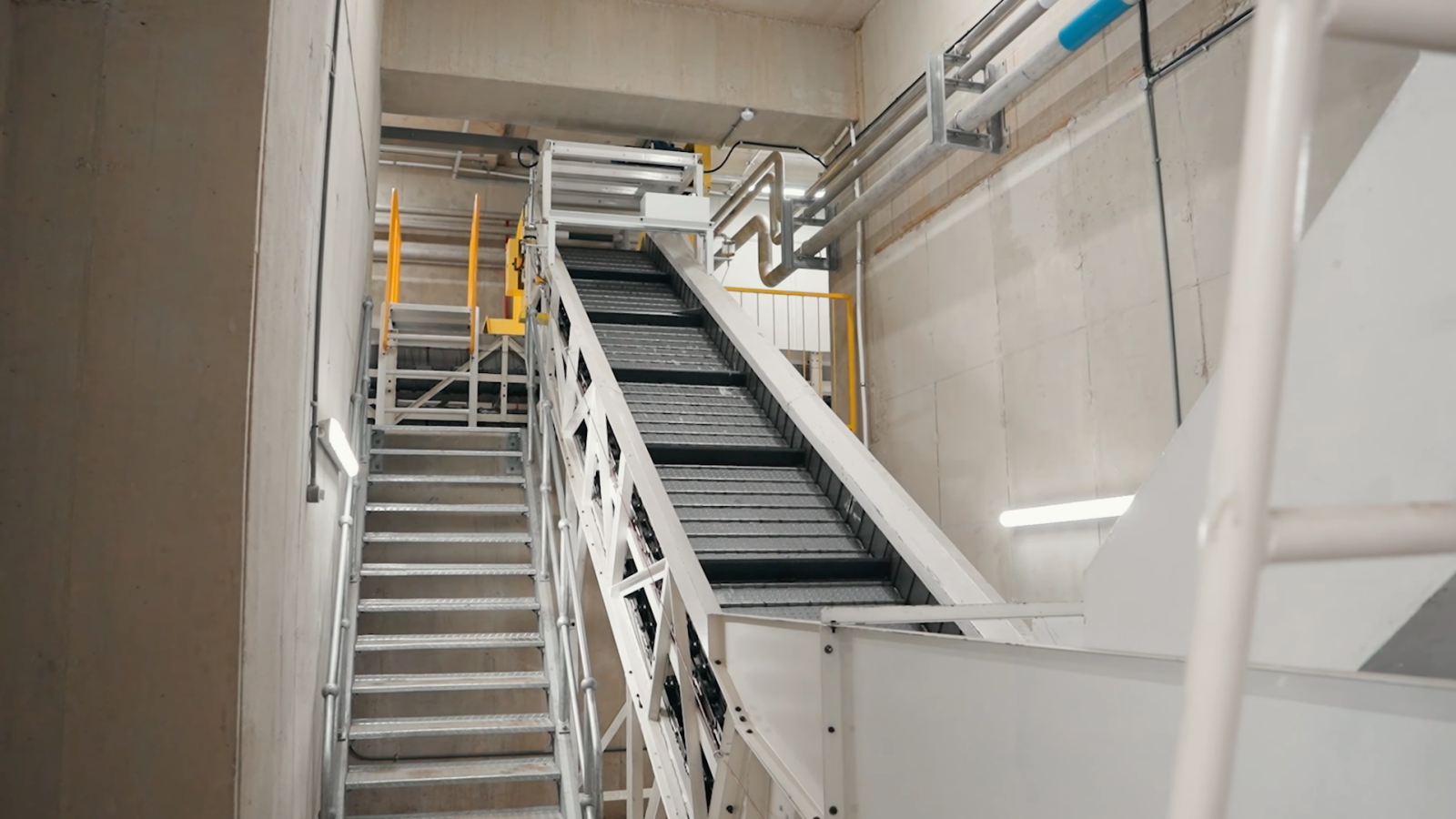
Underneath the facility, 6.5 meters below ground, the press is supported by a conveyor belt that catches scrap materials and transports them through tunnels to where they are disposed of.
Manzie explained that because the process creates so much vibration, the facility was built with a pit structure designed to further dampen the effects of the forces as much as possible.
He added that designers and engineers also had to consider the environment around the facility, especially considering its proximity to the airport.
The plant was given a strict vibration level to adhere to, known as Peak Particle Velocity (PPV), to ensure it does not interfere with airport operations.
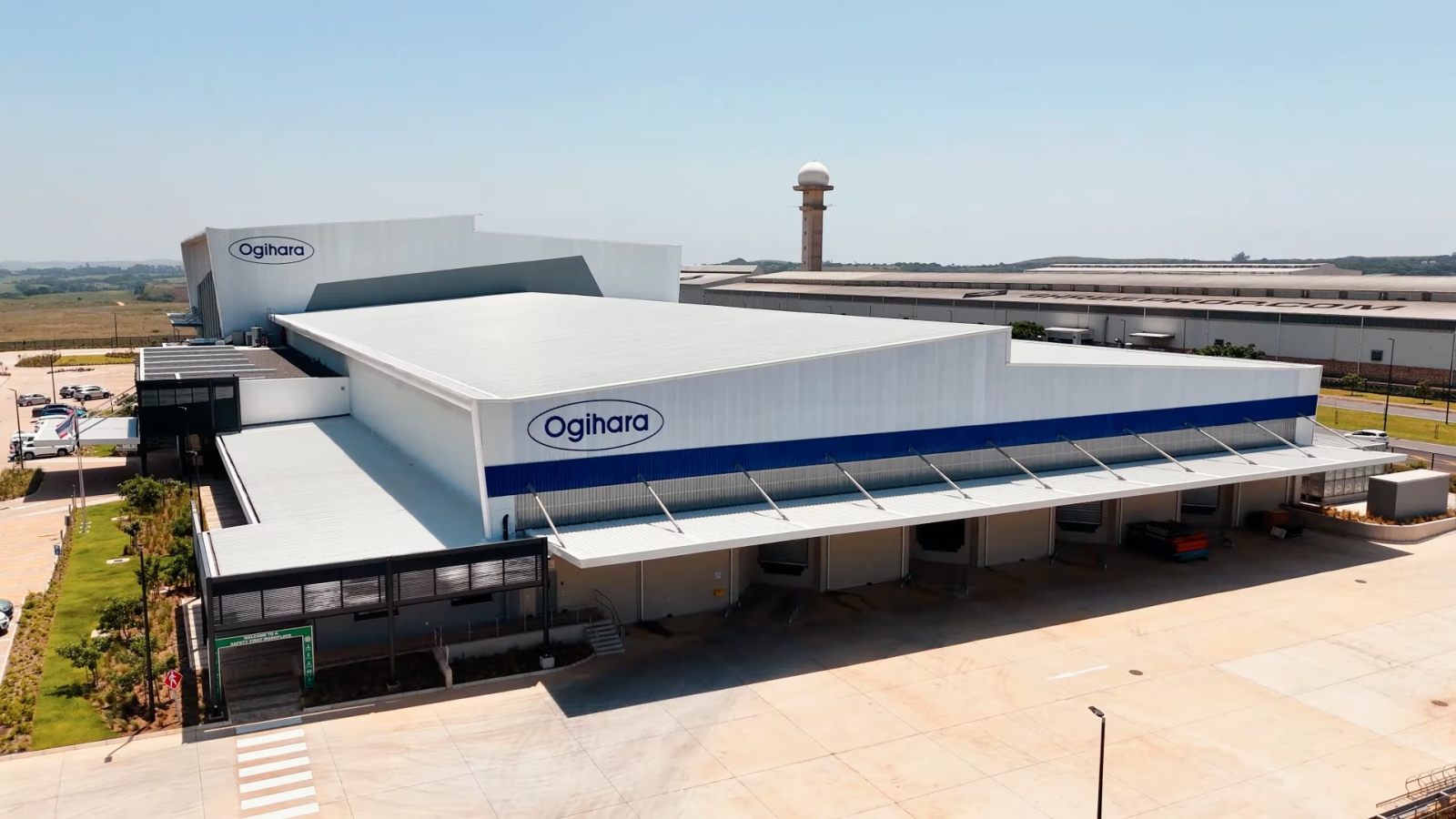
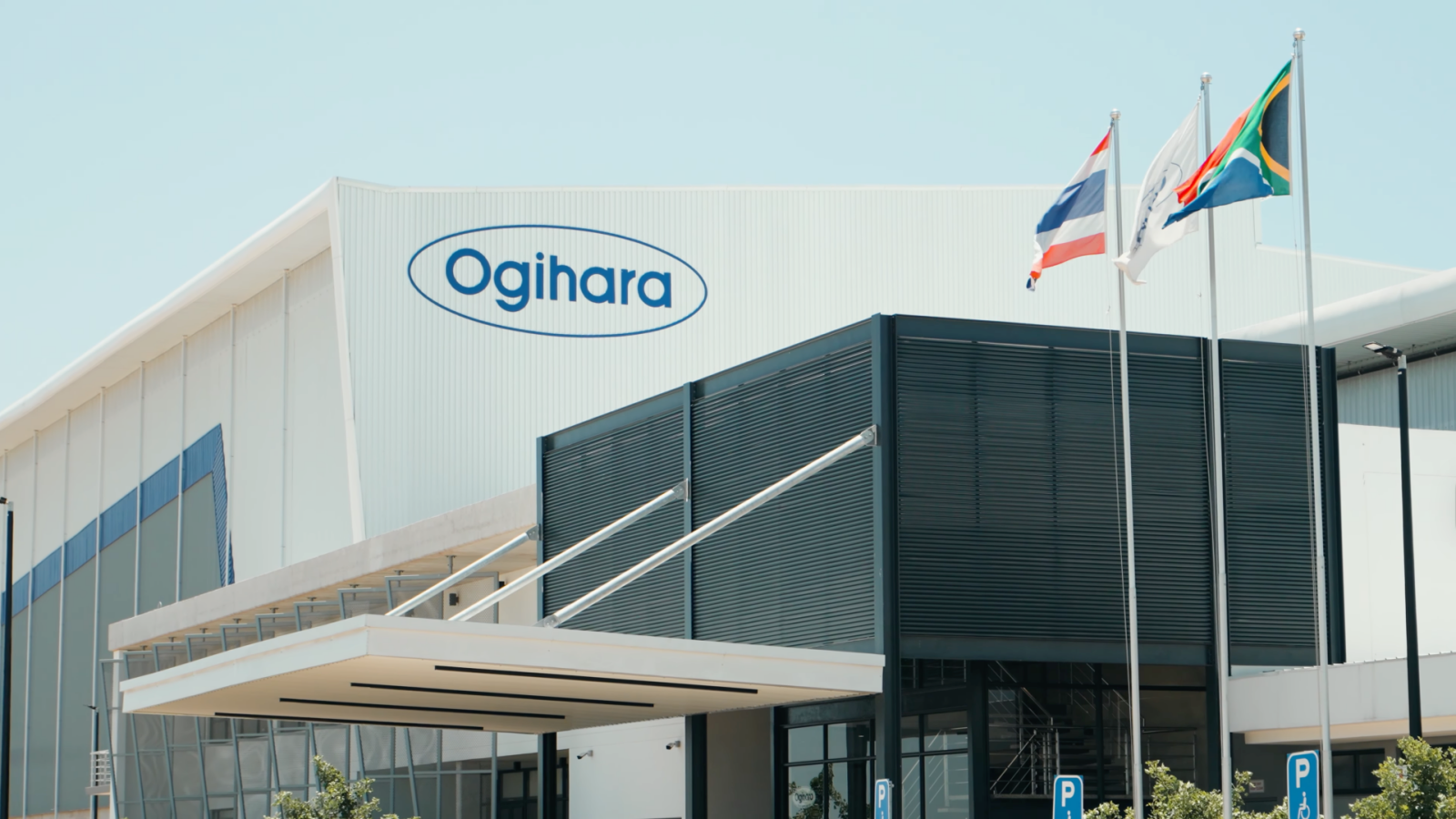
Ogihara’s manufacturing plant in Durban



 Loading ...
-2026.10.webp)


-2026.10.webp)