The European Union – South Africa’s biggest vehicle export market – is finalising new vehicle circularity rules that will require manufacturers to take responsibility for the full lifecycle and recycling of vehicles.
According to the Motor Industry Staff Association (MISA), these new regulations will force local manufacturers to comply, or risk locking South African-built vehicles out of Europe.
The major automotive sector union has called on the Department of Trade, Industry and Competition (DTIC) to establish an End-of-Life Vehicle (ELV) regulatory framework to protect existing jobs and create thousands more.
Roughly three out of every four vehicles exported from South Africa are destined for Europe, while the automotive sector contributes 5.2% to South Africa’s GDP and sustains close to 500,000 formal jobs.
As a result, failure to comply with the new EU regulations could threaten export revenue of R291 billion, as well as hundreds of thousands of jobs across the sector value chain.
MISA’s solution, a local ELV framework, is a legal system that ensures that vehicles that have reached the end of their lifespan are depolluted, dismantled and recycled.
The union believes that the ELV framework must not only protect exports but also create decent, formal jobs with enforceable wage floors, collective bargaining coverage and occupational health and safety standards.
“MISA will not accept a framework that treats workers as an afterthought,” declared Martlé Keyter, MISA’s CEO of Operations.
“Every dismantler, recycler, and technician must have safe working conditions, recognised qualifications and career pathways.”
She added that the shift towards a local ELV framework will protect livelihoods today, while building sustainable jobs for tomorrow.
MISA has requested Japanese expertise on worker safety, training systems, and the viability of small dismantlers, drawing on Japan’s Automobile Recycling Law.
This policy sustains thousands of small enterprises and achieves recovery rates of close to 99%.
South Africa’s auto sector cannot afford to lose Europe
In August, the Automotive Business Council (Naamsa) recorded that vehicle export sales reached 35,091 units, a 4,742-unit, or 11.9% decline, from the 39,833 units exported in the same month last year.
This represents a sustained decline in monthly exports from South Africa, and while the local market remains resilient, local sales alone won’t be enough to sustain the local automotive manufacturing sector.
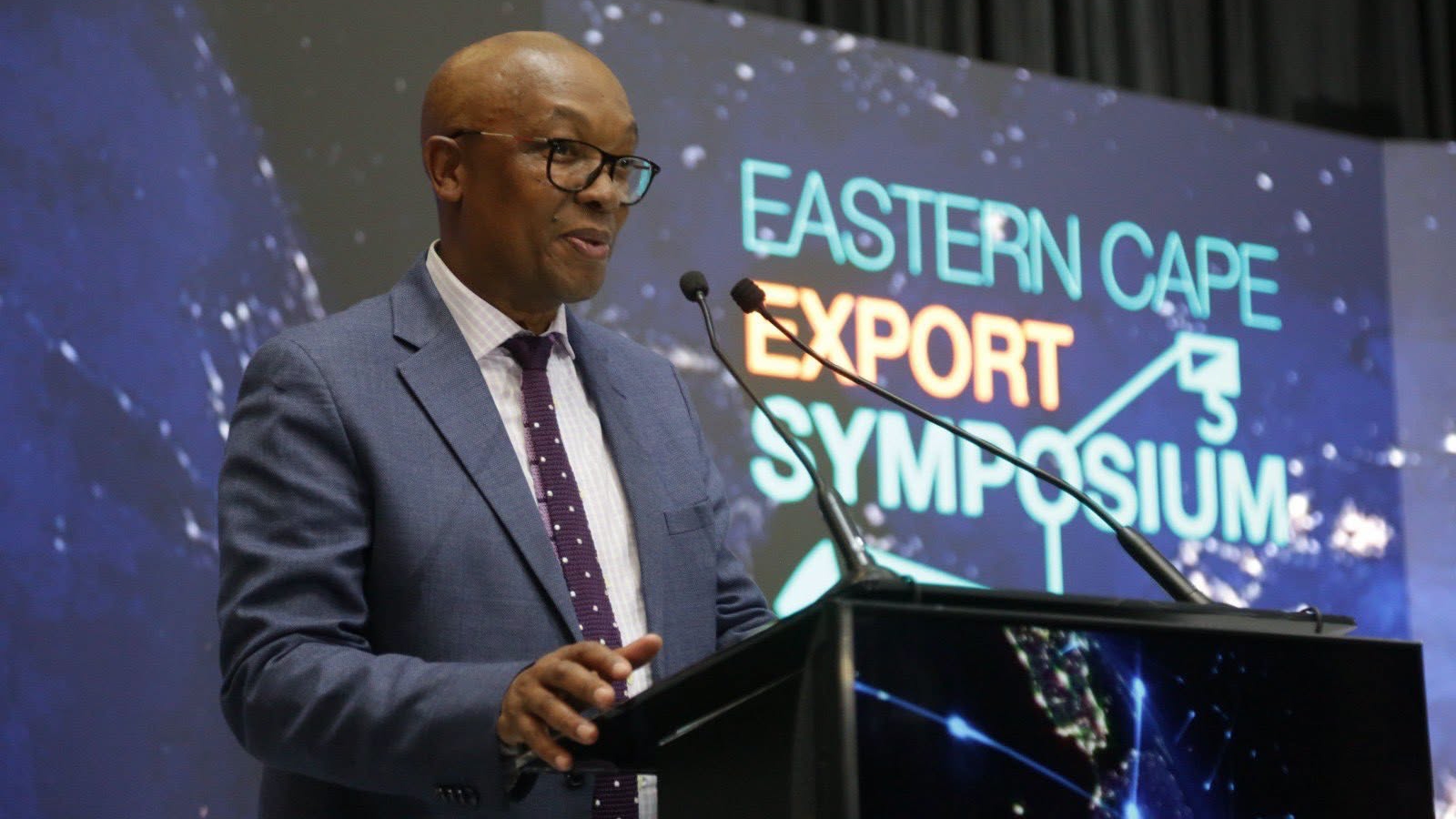
During the Eastern Cape Export Symposium, Trade Minister Parks Tau explained that the province – which is home to four major car factories – is in desperate need of new investment to keep its auto sector alive.
According to the minister, the EU’s Carbon Border Adjustment Mechanism (CBAM) and other global trade measures require South Africa to adapt its industrial and export strategies to remain competitive.
Currently, the province is home to VW’s Kariega Plant, the Mercedes-Benz plant in KuGompo City (East London), the Isuzu bakkie-building plant in Gqeberha (Port Elizabeth), and a BAIC assembly plant.
While these factories continue to perform well and play a significant role in the local manufacturing sector, challenges at local government level, including systemic and structural issues, could undermine future investment.
Minister Tau explained that resolving these challenges would help accelerate the decarbonisation measures needed to sustain critical industries such as automotive manufacturing.
“There is a need to transform our automotive sector’s current difficulties into an opportunity by developing an end-of-life vehicle policy and positioning the province as a leader in the renewable energy space,” he said.
The minister added that it is important to understand future production decisions in the automotive sector, including energy production and logistics.
“The EU measures have a significant impact on local government and industries, and that is why I’m emphasising the need for support for our national strategy to address these challenges,” Tau said.



 Loading ...