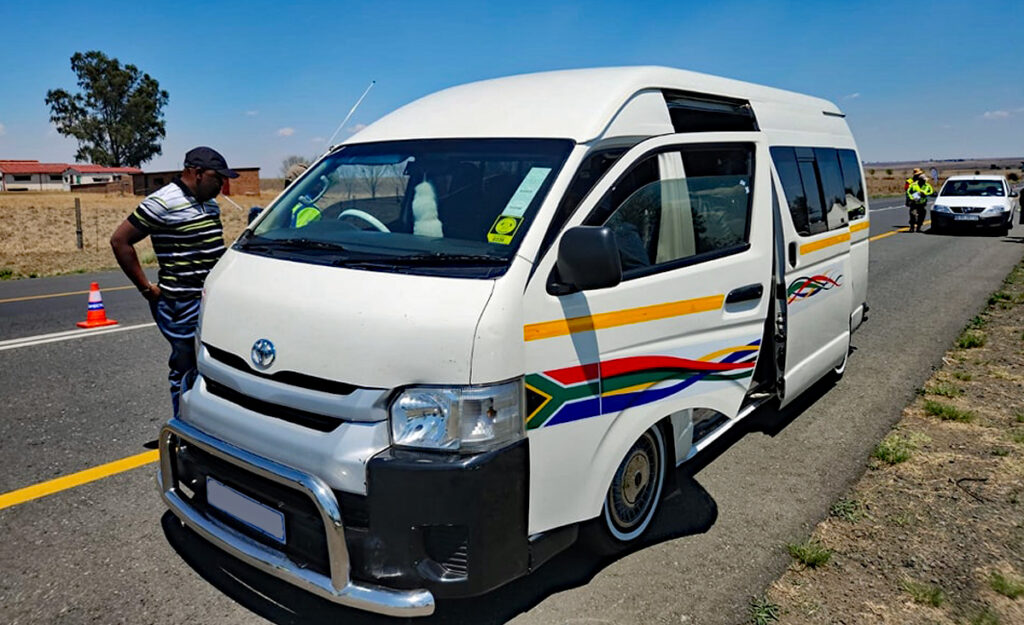
The taxman is coming after South Africa’s informal economy, which includes the taxi industry, in its attempts to broaden the country’s tax base.
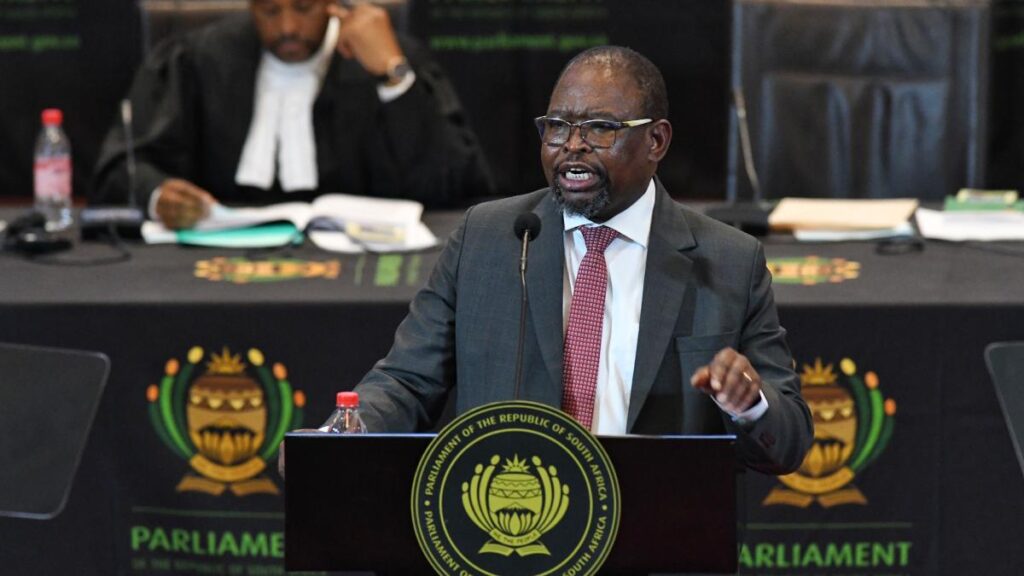
This was revealed by Minister of Finance Enoch Godongwana in response to questions from National Assembly member Dr Khanyisile Litchfield-Tshabalala.
The MK Party MP asked the minister whether the National Treasury had taken any strategic steps to broaden the tax base by including the informal economy and taxi industry.
In response, Godongwana explained that it is the National Treasury’s responsibility to set policy, while the South African Revenue Service (SARS) administers and enforces tax laws.
“SARS continues to broaden the tax base by improving registration, filing and payment, where tax compliance remains low,” the minister said.
“This includes the informal economy and the taxi industry. SARS is also working to detect and respond to illicit financial flows and other forms of non-compliance.”
He added that the revenue service has already identified the informal economy as a key area for tax base broadening.
As a result, SARS will focus on helping more businesses register, understand their tax obligations, submit returns and pay what is due, through support, education, simpler processes and risk-based action.
According to the minister, data triggers have supported the registration of 21,890 previously unregistered taxpayers in the informal economy since the 2024/25 financial year.
This has reportedly contributed an additional R314 million in revenue, while the work continues to be scaled.
Godongwana noted that the taxi industry, including e-hailing services, was identified as a priority sector in SARS’ informal economy and compliance work.
“SARS uses risk assessments, available data, targeted interventions and taxpayer education to improve registration, filing and payment in the sector,” he said.
Currently, SARS uses several interventions to formalise the taxi industry, including the use of third-party and transactional data to identify potentially unregistered or non-compliant operators.
It has also embarked on targeted compliance and enforcement campaigns and taxpayer education initiatives directed at taxi and e-hailing participants.
Combating illegal cash flow
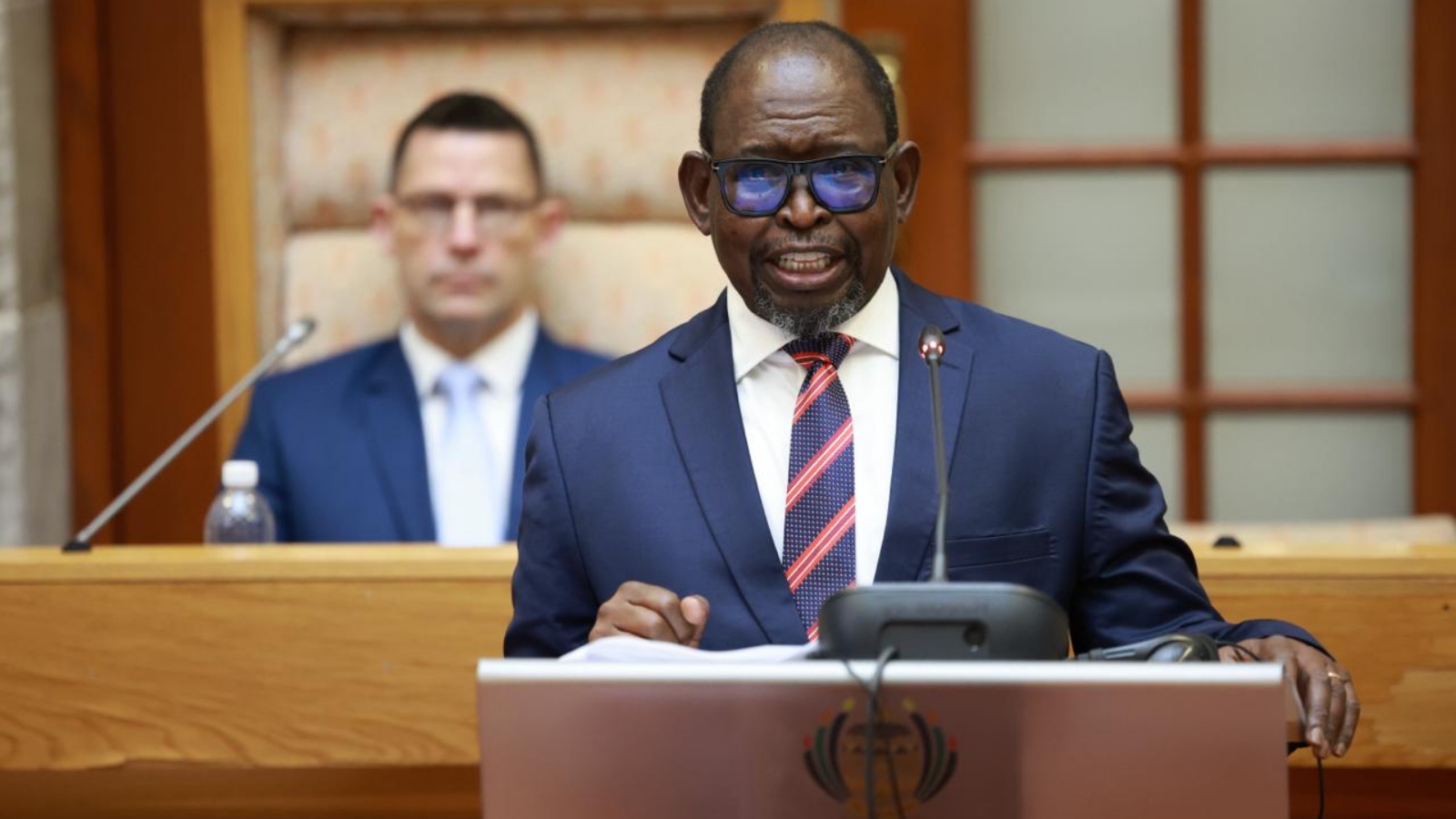
The crackdown on South Africa’s informal economy and taxi industry forms part of SARS’ attempt to curb illicit financial flows.
“Illicit financial flows include money or value that is unlawfully earned, transferred or used, including proceeds linked to tax evasion, customs fraud, trade mispricing, money laundering, corruption and organised crime,” explained the minister.
“SARS addresses these risks through its compliance and enforcement mandate and its Illicit Economy Strategy, aligned with the National Illicit Economy Disruption Programme.”
According to Godongwana, this approach is intelligence-led and technology-enabled, with a focus on high-risk value chains.
This enables SARS to detect concealed economic activity, recover tax and legally due duties, disrupt illicit profits and protect compliant taxpayers and legitimate traders.
Beyond this, the revenue service has established several measures to strengthen detection and enforcement.
These include governance arrangements, high-risk focus areas, and aligning audits, criminal investigations, customs interventions, legal support, debt recovery, risk profiling, advanced analytics, artificial intelligence and third-party data.
The minister revealed that SARS is working with Statistics South Africa (Stats SA) and other stakeholders to develop a consistent taxonomy and measurement approach that distinguishes the formal, informal and illicit economies.
“In the interim, SARS is converting intelligence into measurable compliance and enforcement outcomes,” he said.
These outcomes include 10,142 customs seizures valued at R6.3 billion, 281,330 customs inspections and 1,477 post-clearance audits recorded in the 2024/25 Annual Report.
Additionally, SARS has collected R763.7 million from fuel and petroleum schemes and disrupted diesel adulteration, which could have caused an estimated R3 billion fiscal loss.
“These results demonstrate that SARS’s work to curb illicit financial flows is active, coordinated and linked to direct revenue recovery, prevention of leakage and disruption of criminal value chains,” said the minister.




 Loading ...
-2026.09.webp)