Motorists are paying R6.17 per litre more for petrol than they were at the start of the year due to the massive price increases brought on by the war in Iran.
At the start of 2026, car owners were paying R20.75 for petrol 95 at inland rates, which was the lowest price recorded since 2022.
Prices got even better in February with a 65c per litre reduction, but these fortunes were soon reversed by the outbreak of the war in the Middle East.
In late February, the United States and Israel launched joint military strikes against Iran, plunging the region into a conflict that is still ongoing at the time of writing in September.
The effect on global oil prices was immediate, as Brent Crude jumped from roughly $70 per barrel to $112 per barrel by the end of March.
Since then, oil prices have fluctuated as the war has progressed, spiking after attacks and dropping during lulls in the fighting. Oil prices reached a peak of $114 per barrel in May.
In South Africa, motorists were hit with petrol price increases of more than R3 per litre in April and May, and a R1.46 per litre hike in June.
Keep in mind that these increases would have been even higher had it not been for the government, which implemented a temporary R3-per-litre cut to the General Fuel Levy in April and May to cushion the blow for consumers.
Oil prices recovered in June and July, leading to corresponding petrol price cuts in July and August. However, prices are still much higher than they were before the war began.
Unfortunately, oil prices have started to climb again due to a fresh wave of attacks launched by the US and Iran. The Strait of Hormuz is also still closed to most ships.
Brent Crude climbed to $94 per barrel in late August, leading to a R1.34 per litre petrol price increase in South Africa this September.
These were the official fuel price adjustments over the last eight months:
- February – 65c per litre decrease
- March – 20c per litre increase
- April – 306c per litre increase
- May – 327c per litre increase
- June – 146c per litre increase
- July – 196c per litre decrease
- August – 52c per litre decrease
- September – 134c per litre increase
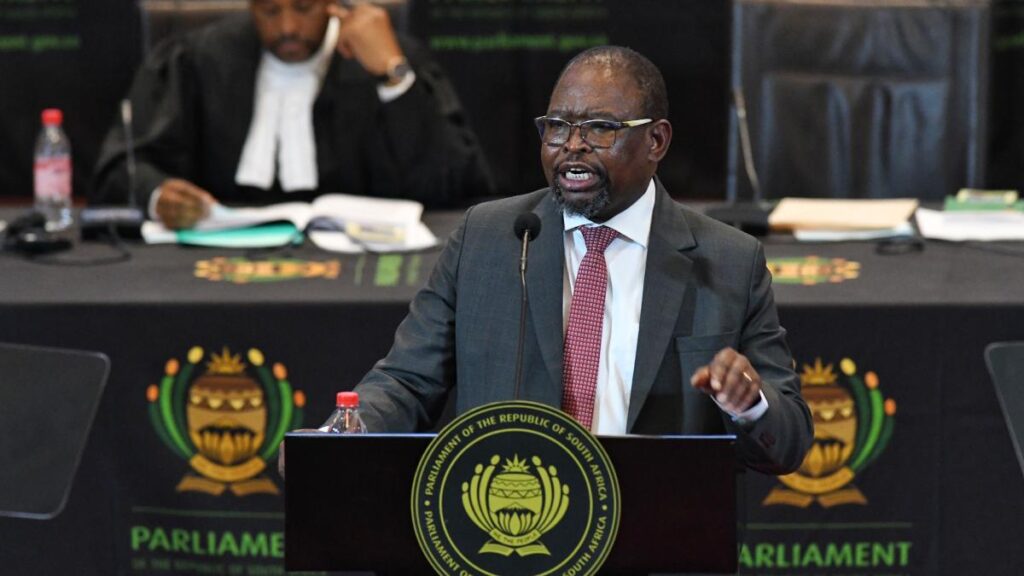
There’s also no relief on the horizon, as Finance Minister Enoch Godongwana said it would be very difficult to implement another fuel tax relief measure.
He explained that doing so takes money out of the pocket of the National Treasury that will ultimately need to be repaid, one way or another.
Without any relief measures, motorists are now spending close to R27 per litre for petrol.
The following table shows the cost difference between filling different tank sizes in January compared to the latest price this September:
| Tank size | Cost to refill in January 2026 (R20.75/l) | Cost to refill in September 2026 (R26.92/l) | Difference |
|---|---|---|---|
| 30 litres | R622.50 | R807.60 | +R185.10 |
| 40 litres | R830.00 | R1,076.80 | +R246.80 |
| 50 litres | R1,037.50 | R1,360.00 | +R322.50 |
| 60 litres | R1,245.00 | R1,615.20 | +R370.20 |
| 70 litres | R1,452.50 | R1,884.40 | +R431.90 |
| 80 litres | R1,660.00 | R2,153.60 | +R493.60 |
Motorists are now paying anywhere from R185 to nearly R500 more to fill up a tank in September compared to the start of the year.
It’s unlikely to improve anytime soon, either, as recent data from the Central Energy Fund indicates that petrol will be hiked by another R1.93 per litre in October.
If this happens, petrol will reach a new record-high of R28.85 per litre next month.
 Loading ...
-2026.09.webp)