Hyundai is currently the fourth-largest car manufacturer in South Africa and aims to reach a top-three spot within the next three years with new models and a focus on after-sales support.
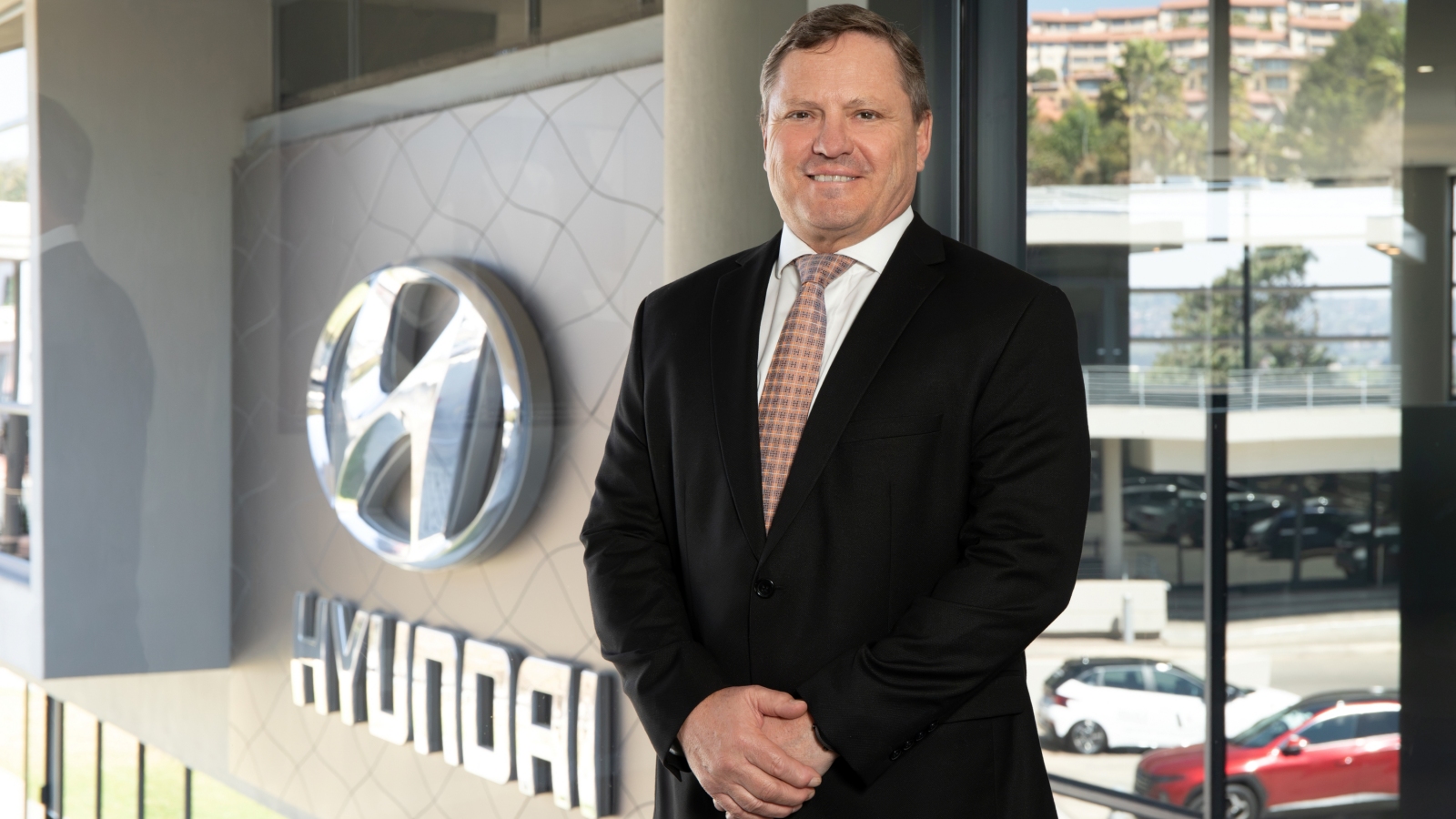
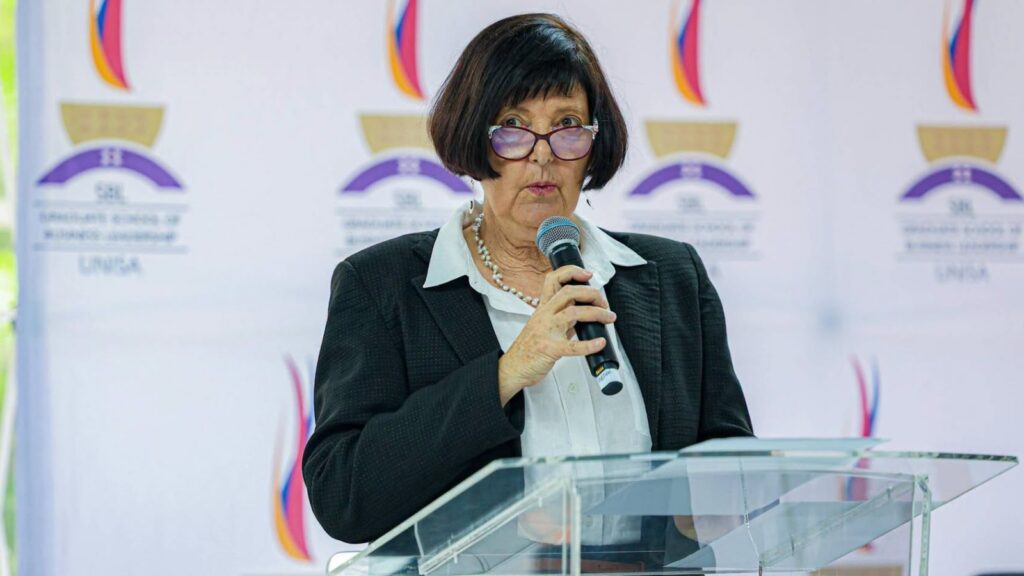
This is according to Hyundai Automotive South Africa CEO Stanley Anderson, who believes that South Africa’s new-vehicle market is becoming one of the most competitive in the world.
He argued that the local industry’s growing focus on purchase price is short-sighted, and motorists overlook what happens after they’ve bought a vehicle, which he says is one of the most important parts of vehicle ownership.
Anderson has been in the local automotive sector for more than three decades and joined Hyundai’s local arm in 2001, becoming Marketing Director in 2004, Sales and Operations Director in 2015 and CEO in July 2025.
During that time, Hyundai has sold more than 800,000 vehicles in South Africa and established a national dealer footprint of approximately 100 outlets.
However, while Hyundai has become one of the biggest players, it wants a bigger slice of the local auto sector, which its CEO said is undergoing a structural shift.
According to Hyundai, 67 vehicle manufacturing brands are competing for consumer and fleet expenditure in South Africa in 2026, with more on the way.
New entrants, particularly from emerging markets like China – which has sent 22 different brands to our shores and has more lined up in the future – have driven the massive shift in local buyer thinking.
As these new competitors take the fight to their rivals with lower prices and seemingly more value for money, Anderson said their rapid expansion has pressed established manufacturers to demonstrate more than sales volumes.
Hyundai’s plan for local expansion
While these Chinese brands continue to eat up market share from legacy and established manufacturers, the Hyundai CEO said that pricing is not the only way brands can fend off this new threat.
He admitted that a lower price can certainly attract a customer, especially in the local market, but added that the ownership equation goes much further than that.
“Depreciation, parts availability, repair times, dealer coverage and total cost of ownership all influence the value of a vehicle,” explained Anderson.
He noted that this is where Hyundai has the upper hand and can fend off the influx of emerging brands, as 90% of accident-damaged Hyundai vehicles are returned to the road within 30 days.
According to the Korean automaker’s local arm, corporate vehicles are tracked by VIN, and any vehicle remaining in a workshop for more than three days triggers intervention from its senior corporate team.
The CEO explained that these systems demonstrate why infrastructure matters in an increasingly crowded market.
“A vehicle that is sitting in a workshop is not generating value for a corporate customer. Downtime has a real business cost, which is why aftersales performance is an important part of our competitive proposition,” he said.
Anderson admitted that Hyundai has its eyes on the brands above it, which are Toyota, Suzuki, and VW, and is working to overtake at least one of them within the next three years.
Hyundai Automotive South Africa is working with its global parent on a three- to four-year product pipeline and is evaluating potential models against South African market demand, specifications and pricing.
According to the company’s CEO, Hyundai’s next phase is about disciplined growth.
“We have built the infrastructure and the customer base. Now we need to continue investing in the right products, the right capabilities and an ownership experience that creates value over the long term,” he said.
Anderson is leveraging more than 36 years of local automotive experience to add more models to the market and aims to steer the brand towards sustainable growth.
 Loading ...
-facelift-2-2025.10.webp)
-2025.11.webp)