
Some good news for petrol prices, and Uber under siege in South Africa


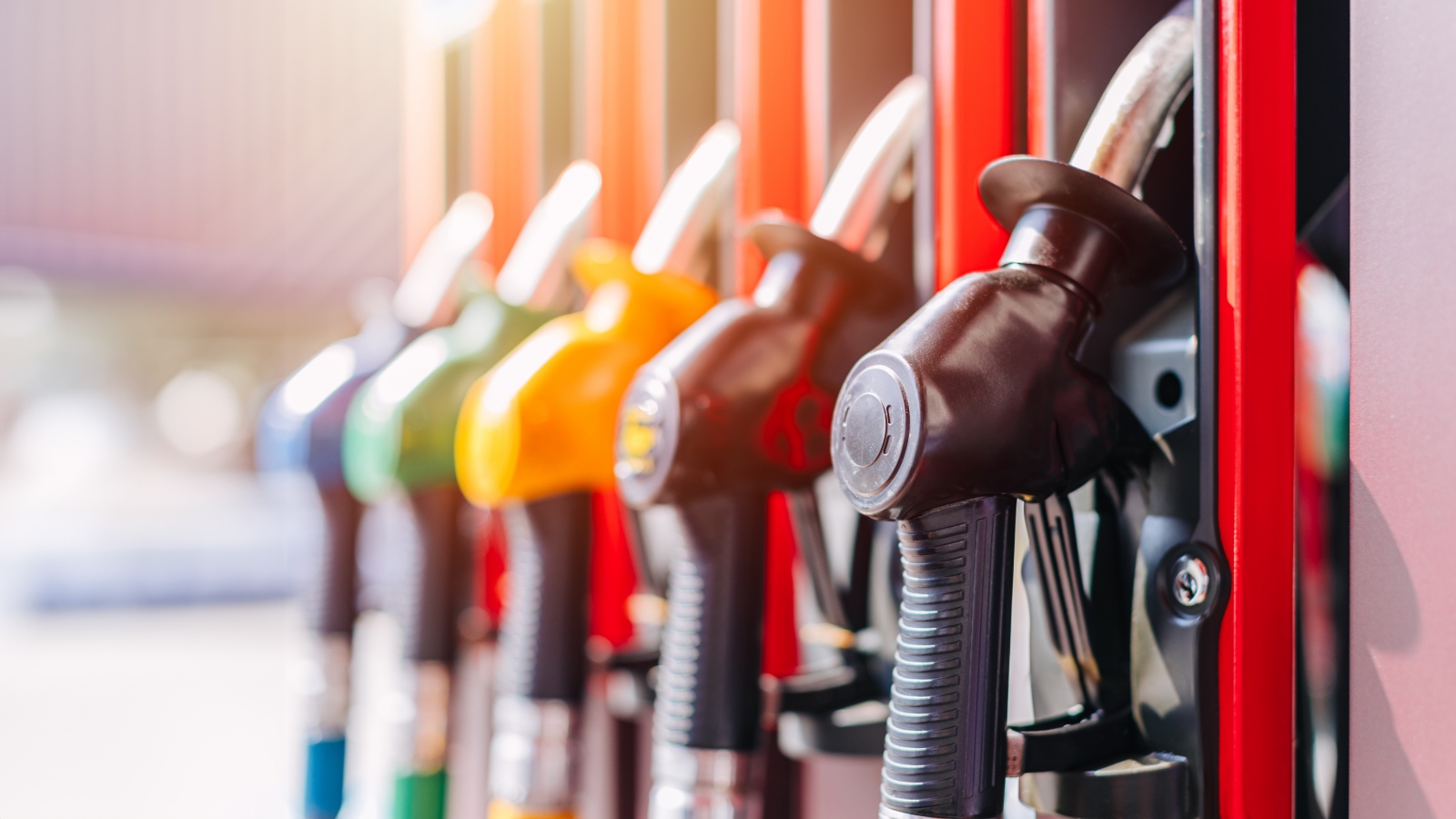
The Department of Mineral and Petroleum Resources (DMPR) has gazetted changes to the Slate Levy to ease the pressure faced by South Africa’s petrol stations.
The skyrocketing price of petrol is taking its toll on forecourts, which do not benefit from the higher prices because they operate on fixed margins and are therefore forced to absorb the cost.
Under the changes proposed by DMPR Minister Gwede Mantashe, fuel importers will be allowed to keep some of the tax they pay when global petroleum product prices fluctuate.
These changes won’t affect the retail price of fuel, but will protect importers and wholesalers with support for up to R500 million.
It is meant to address a flaw in the current system where petrol prices are only adjusted at the beginning of every month, creating situations where importers pay more to import fuel than they can charge at the pump, depending on the month’s recoveries.
The Central Energy Fund collects the slate levy from petrol and diesel sales, while fuel importers and retailers wait for reimbursement following losses.
However, under the new system, they will be allowed to retain the levy collected from consumers and pay the balance.
In related news, Brent Crude oil is currently trading at $105 per barrel, following a new wave of drone and missile attacks launched by Iran-backed Houthi rebels against Saudi Arabia’s main airport.
This has put pressure on the United States to ramp up its efforts to curb the conflict in Yemen. At the same time, President Donald Trump said there had been violations of his “energy ceasefire” between Ukraine and Russia.
Ukrainian President Volodymyr Zelenskyy said they will continue attacks against Russia as his nation’s energy infrastructure is still being targeted.
Oil prices are 70% higher than before the war erupted in late February.
5 important things
Big win for people who bought 2 of South Africa’s most popular bakkies: Nissan recently confirmed that it will continue to support its older bakkie models in South Africa, following the sale of its factory to Chery earlier this year. This includes the NP300 Hardbody and the NP200, which were incredibly popular when they were still on sale [TopAuto].
South Africa’s crude oil refining capacity decreased by 60%: Domestic oil refining capacity plummeted from 520,000 barrels per day to just 208,000 barrels between 2018 and 2026. This drop comes as the country grapples with high international prices for refined petroleum products. [Newsday].
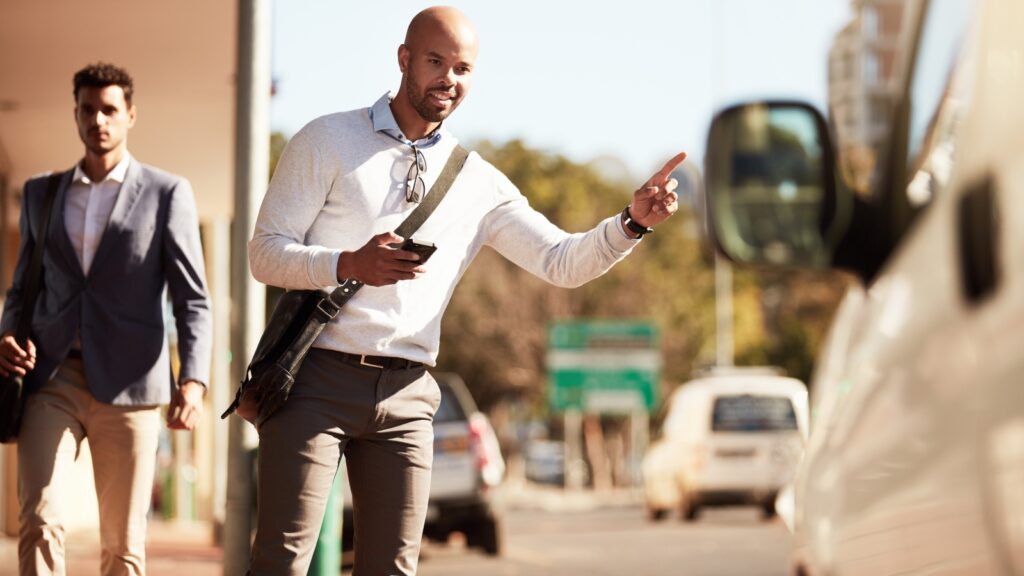
Uber under siege in South Africa: Uber is facing increased competition in South Africa from local ride-hailing apps that attempt to address customers’ biggest concerns with the service. One new app is OMN1, an all-in-one app that combines e-hailing, food delivery, creator monetisation, and messaging on a single platform [MyBroadband].
Some good news for petrol prices in South Africa: Transport Minister Barbara Creecy has denied a proposal to hike the Road Accident Fund levy from R2.25 to R3.00 per litre. She said that consumers are under enough pressure and that a better solution would be to sort out the mismanagement at the RAF [BusinessTech].
Automotive giant unveils 60 new cars: Stellantis featured over 60 new cars at the Paris Motor Show this week, including nine concept cars and models from Citroen, Peugeot, Opel, and Leapmotor. [Bloomberg].



 Loading ...

-2026.10.webp)
