Traffic lights still broken in South Africa’s richest city – R10 billion later


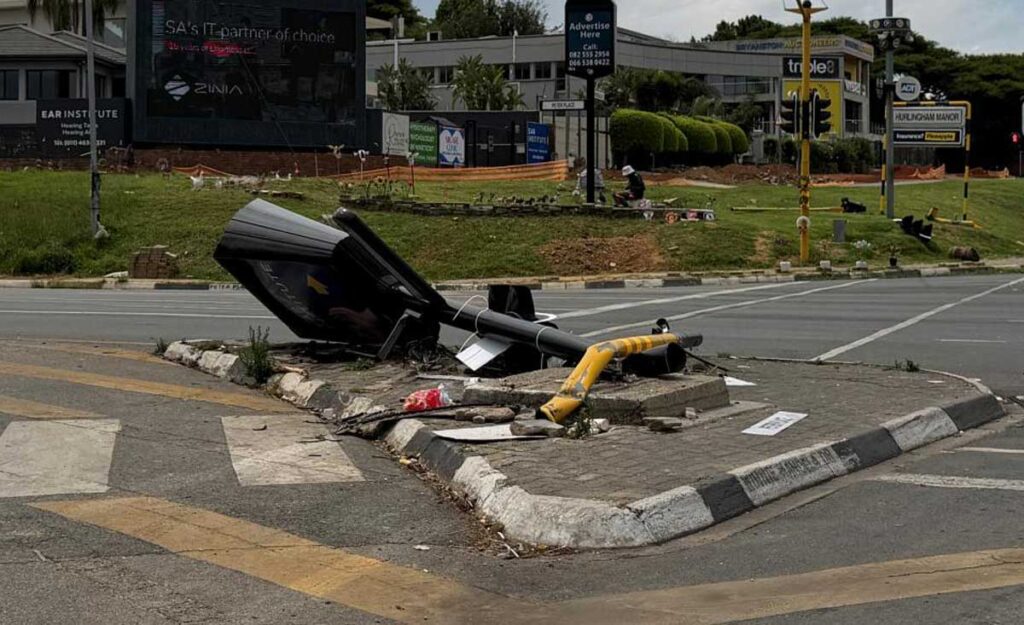
Gauteng MEC for Roads and Logistics Kedibone Diale-Tlabela admitted that the provincial government has failed to meet its own minimum standards for signalised intersection repairs.
She made this admission in a letter responding to questions tabled in the Gauteng Provincial Legislature.
The MEC said the Gauteng Department of Roads and Logistics had failed to repair five high-risk intersections in Ekurhuleni within its own targeted timeframe of one to seven days.
The five intersections have been dark for at least a year and a half, with some dating back to November 2024, according to Newsday.
There is the Atlas Road intersection on the M43, which has been out of commission since January 2025, as well as an intersection at Pomona Road and the R32, which has been out of service since February 2025.
There’s also a set of robots on the 3rd Avenue intersection on the M32, which has been non-operational since March 2025, and two intersections on the R23 at Great North Road and High Road.
All five sites have been classified as “high-risk” and are supposed to be attended to within 24 hours, and repaired within a week.
Diale-Tlabela blamed the delay in repairs on resource shortages at the department, and that widespread vandalism and theft were the root cause of its failure to meet its one-week repair timeline.
This is despite the fact the Department of Roads and Logistics receives R10 billion per year in funding.
Michael Waters, a member of the Gauteng Provincial Legislature, said that while vandalism and theft were undeniably a problem, they should not be used as a permanent excuse for government failure.
“Even more concerning is the MEC’s admission that the department lacks a dedicated formal inspection programme focused on traffic signals that have been non-operational for extended periods,” Waters said.
“This raises serious questions about the department’s maintenance planning, budget priorities, procurement processes, and monitoring of contractors.”
Waters has written to the Public Protector to investigate potential maladministration within the department.
He said Gauteng residents should not be expected to navigate dangerous intersections for extended periods while the department fails to fulfil its mandate, even with a budget in place.
Cape Town deploys vandalism-resistant streetlights
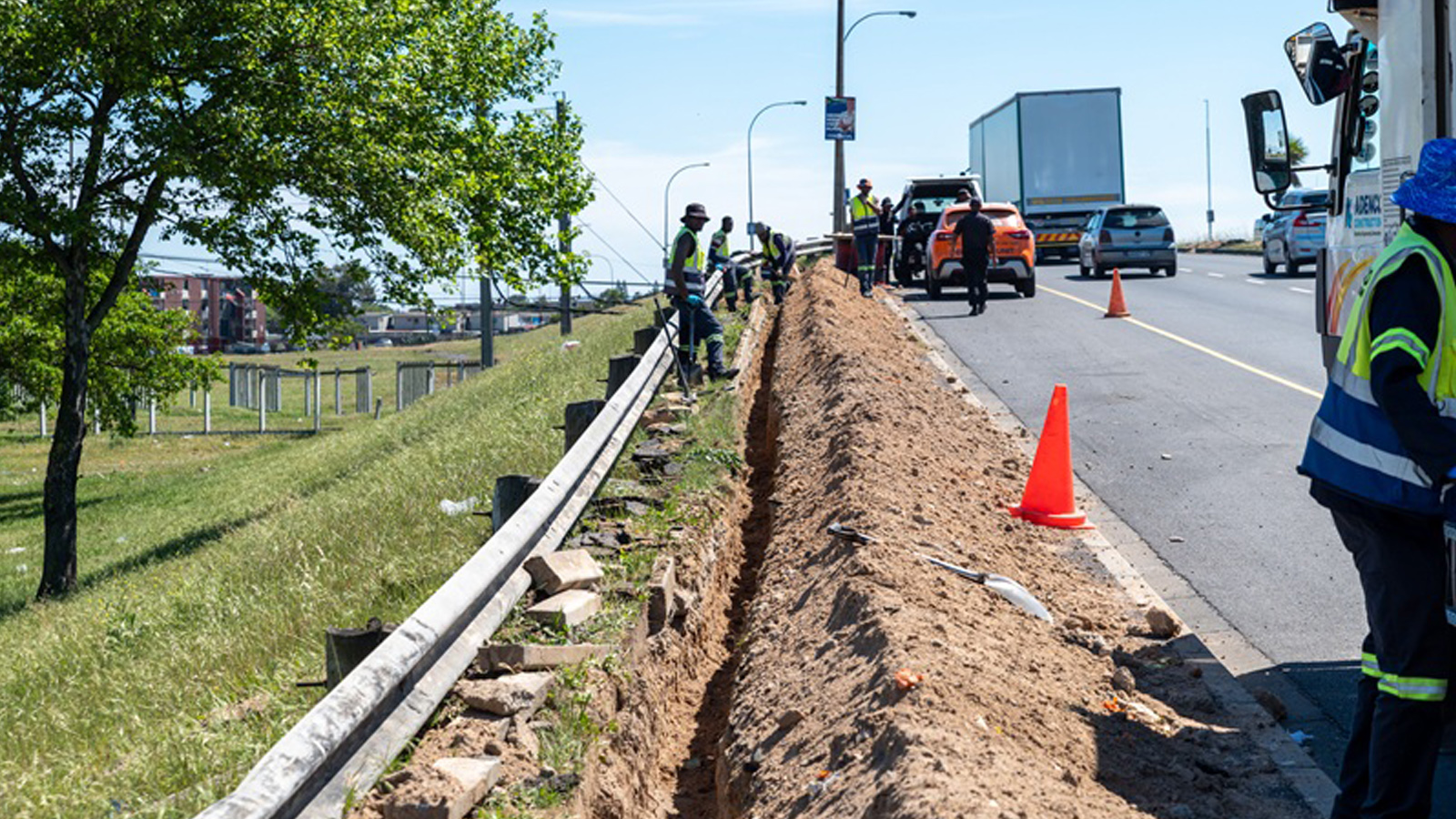
In an effort to combat vandalism on its own streets, the City of Cape Town has deployed new streetlights along a high-risk road in Bishop Lavis.
The City’s Energy Directorate noted that the section of road had been severely and chronically affected by repeated incidents of vandalism and theft.
In response, it has installed new 13.5-metre heavy-duty streetlight poles with a larger diameter and thicker construction.
The access points and electricity connection boxes have also been raised, making them more difficult to tamper with, and the City has added new cameras to monitor the area.
This is not the first time Cape Town has experimented with new tamperproof road infrastructure, as it previously installed new robots at high-risk intersections.
The bases of these traffic lights are encased in concrete and buried underground, making them far more difficult for opportunistic criminals to break into to steal the valuable wiring.
Cape Town Mayor Geordin Hill-Lewis said that only determination could overcome recurring vandalism.
“A brief note on streetlights. It takes real determination to keep them working, because of the absolutely relentless cable theft across South Africa,” he said.
“You have to be determined to replace them repeatedly, no matter how often they get vandalised.”




 Loading ...