Dual-Clutch vs Torque Converter gearboxes – The differences


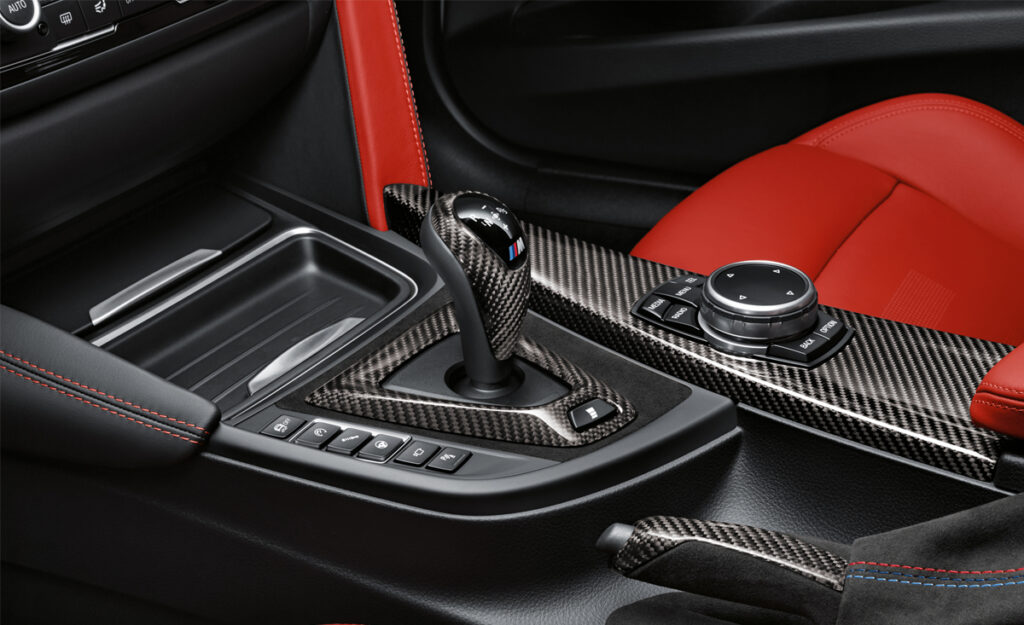
There are multiple transmission types that can be classified as automatic, with the most widely used being torque converter and dual-clutch gearboxes.
Torque converters (TC) were once the powerhouses of the industry, but their dominance was steadily chipped away by dual-clutch transmissions (DCT) throughout the 2000s, especially in high-performance vehicles.
However, TCs are making a comeback. BMW used one on the new M3, while the previous generation had a DCT.
We look at what sets these transmissions apart, below.
Torque converter vs dual-clutch
Torque converter gearboxes disconnect a car’s engine from its transmission, an action that’s performed by the clutch on a manual vehicle.
The TC allows the engine to keep running while the wheels and gears come to a standstill when, for instance, you are stopped at a red light.
The TC is a “fluid coupling” that lets the motor operate partially independently from the gearbox, but it does not completely separate the components like on a manual, according to HowStuffWorks.
The TC bolts to the motor’s flywheel which allows it to turn at matching speeds, and inside it are a centrifugal pump/impeller, a turbine, a stator, and transmission fluid.
The photo below by torque.com shows a cross-section of a TC.

Transmission fluid flows into the centre of the pump on one side of the TC housing, and as the pump/impeller spins it accelerates the liquid outwards and through the blades of the turbine, which is connected to the gearbox.
As the turbine speeds up, torque builds, and in turn the gears start spinning – which moves the wheels of the car.
The stator then sits in the middle of the TC and gets the job of redirecting the transmission fluid away from the pump after it exits the turbine so as to not impede the pump’s performance.
At low engine speeds, such as when standing still, the TC is still filled with oil but there isn’t much torque going through, and it only requires light braking inputs to keep the car from moving.
The image below by Mecholic shows the construction of a TC.

A dual-clutch gearbox, on the other hand, features exactly what you would expect: two clutches.
This is because DCTs are essentially two partial gearboxes that work together to completely disconnect the engine from the transmission, according to J.D. Power.
However, unlike in traditional manual cars where you have to step on the clutch and shift gears yourself, a DCT does all the work for you thanks to its clever brain.
The two clutches are associated with the two partial transmissions of the engine, usually one for the odd-numbered gears and one for the evens.
Depending on the selected gear, one of the transmissions will always be engaged with the engine when on the move, whereas the other transmission will be decoupled but will have the next gear pre-selected, whatever it may be.
The below photo by torque.com shows a cross-section of a DCT.

Advantages and disadvantages of torque converters
The advantages of TC transmissions include torque multiplication, less risky slippage, and additional cooling, according to ItStillRuns.
The converters allow torque to be temporarily multiplied by up to three times when pulling away from standstill as the engine is spinning considerably faster than the gearbox.
If the gearbox “slips”, it’s also much less damaging than if it were to take place on a transmission with clutches, due to the liquid nature of the TC.
Additionally, the large volumes of transmission fluid needed to operate a TC act as an auxiliary cooling mechanism.
The biggest disadvantage of TCs is that they generally provide lower fuel efficiency, due to the powerplant and transmission mostly running at slightly different speeds.
While these components might traditionally be cheaper than DCTs to install, they can also cost more to repair if they break.
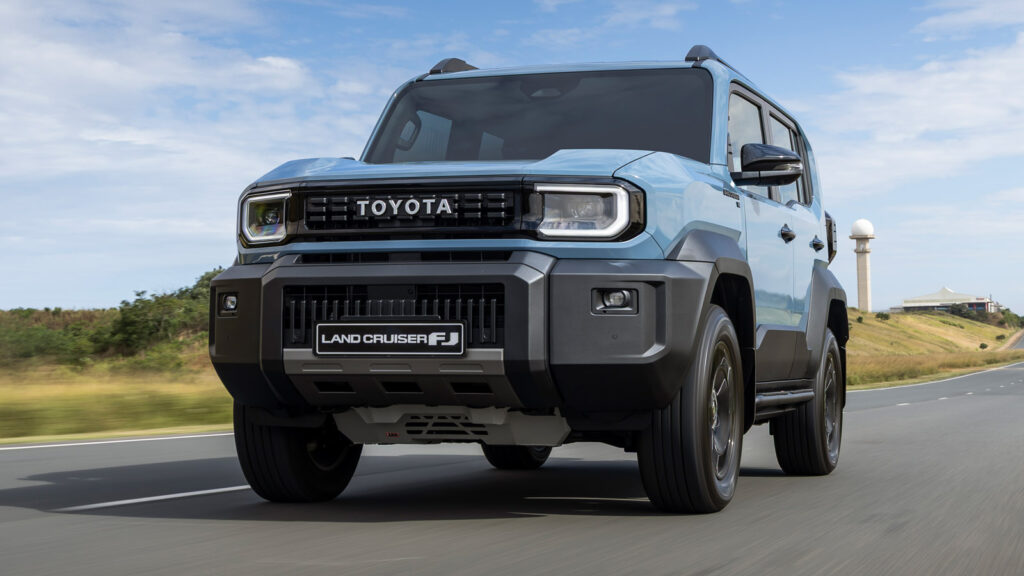
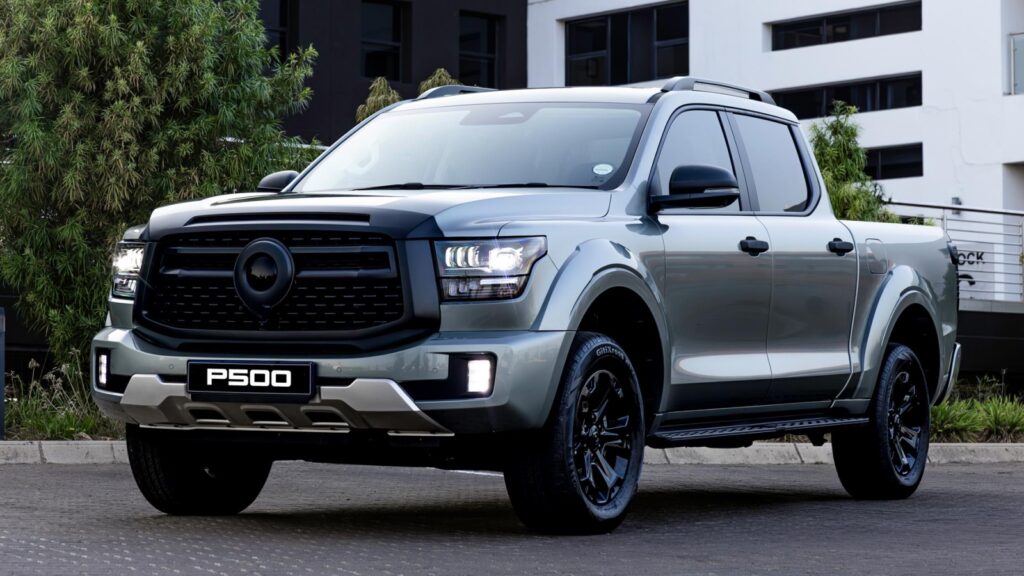
Cars in South Africa with TC transmissions include:

Advantages and disadvantages of dual-clutch
The biggest advantage of DCTs is shift speeds, as these systems can change gears much quicker and smoother than manual and TC transmissions, writes AutoTransRUs.
Furthermore, DCTs generally achieve better fuel consumption and allow fully manual operation either through paddles or the gear lever.
On the downside, DCTs are heavier than most TC transmissions and are mostly reserved for expensive cars – although recent years have seen the emergence of more wallet-friendly vehicles fitted with these gearboxes.
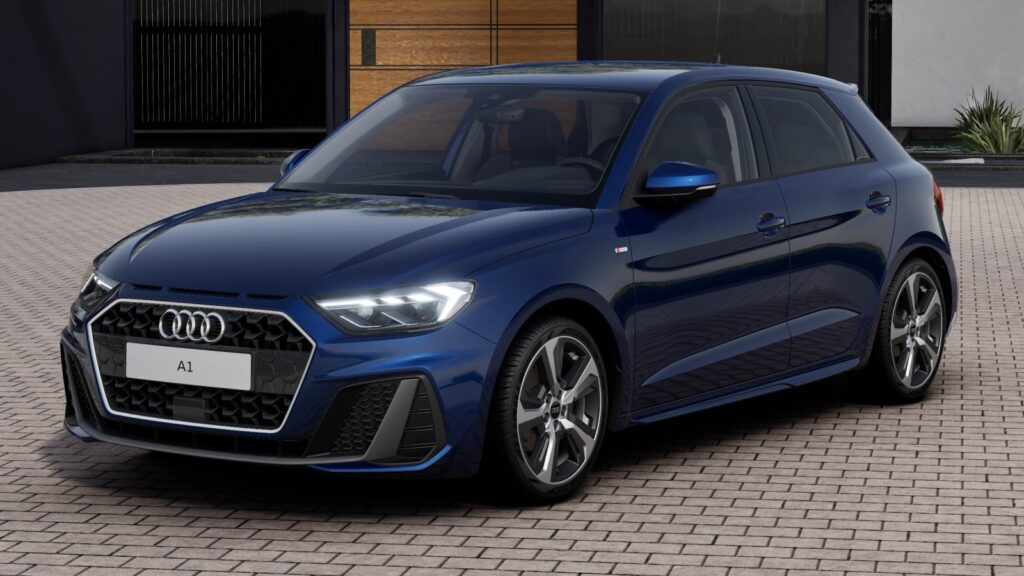
Cars in South Africa with DCTs include:



 Loading ...