Nissan will soon hand over its Rosslyn factory to Chery, bringing 60 years of local production in South Africa to a close.
In January 2026, Nissan South Africa announced that it had entered into an agreement with Chery South Africa to hand over the keys to its Navara bakkie factory and its adjacent stamping facility.
“Nissan and Chery SA have reached agreement on the acquisition of Nissan’s manufacturing assets in Rosslyn, South Africa,” said Nissan.
“Subject to the fulfilment of certain conditions, including regulatory approvals, Chery SA will purchase the land, buildings and associated assets of the Nissan facilities, including of its nearby stamping plant, in mid-2026.”
The two companies added that most of Nissan’s employees at the site will be offered new employment by Chery “on substantially similar terms and conditions as today.”
This marks the end of a major chapter for Nissan South Africa, which has maintained a manufacturing presence since 1966.
While the company’s original operation assembled vehicles from complete-knock-down kits imported from overseas, it eventually grew to establish a manufacturing plant in Rosslyn in 1973.
Over the years, Nissan has invested billions of rands to expand its facilities to accomodate new models, from the NP300 Hardbody to the NP200 and the Navara, all of which were met with positive reception by local motorists.
The NP200, which began production in 2008, became one of the nation’s best-selling vehicles, catering to the vital half-tonne bakkie segment for small businesses until its discontinuation in 2024.
In 2014, the company entered into the minibus taxi scene with the launch of the then-new NV350 Impendulo, a rival to the Toyota Hi-Ace.
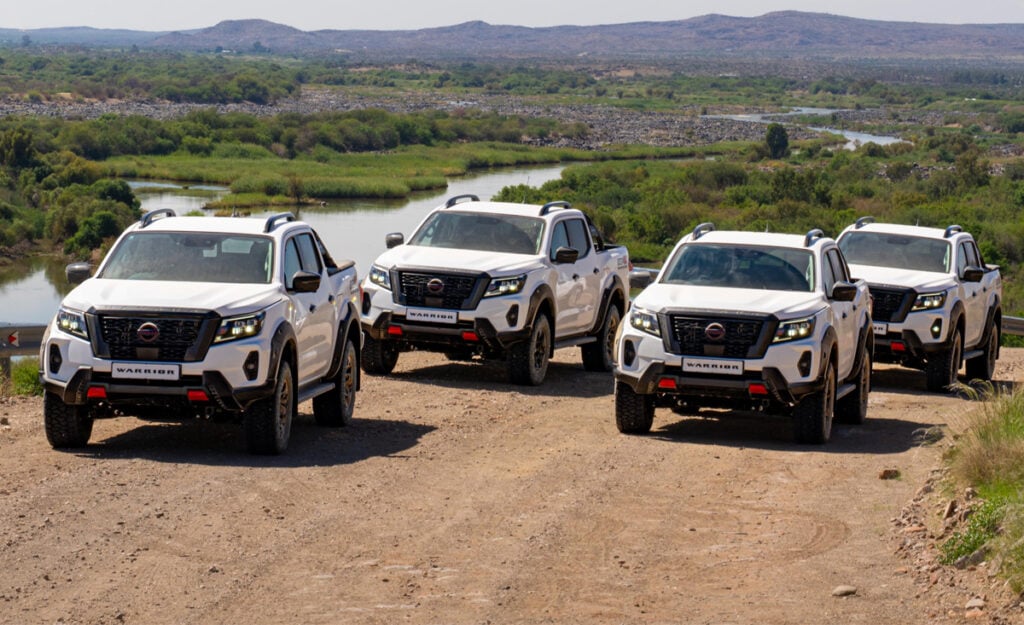
The first Navara units made their way off the production line in 2021, following a R3-billion investment in Rosslyn’s facilities.
However, while Nissan’s products have generally been well-received, the company gradually lost market share due to an ageing lineup and the rise of new competitors from China and India.
This is not an issue unique to Nissan South Africa, as its parent company has been in dire financial straits for several years now.
Nissan Motor Company is currently in the process of shutting down seven of its factories around the world, including two in Japan, and so the announcement that Nissan South Africa plans to sell its Rosslyn plant didn’t come as a big surprise.
“Nissan has a long and proud history in South Africa and has been working to find the best solution for our people, our customers and our partners,” said Jordi Vila, President of Nissan Africa.
Commenting on the sale, Vila said that well-known external factors had impacted the utilisation of the Rosslyn plant and its future viability.
“Through this agreement we’re able to secure employment for the majority of our workforce thereby also preserving opportunities for our supplier network.”
“This move also ensures that the Rosslyn site will continue contributing to the South African automotive sector.”
Nissan is not going anywhere
While Nissan is selling its Rosslyn factory to Chery, it is not leaving South Africa.
Once the takeover is concluded, Nissan will continue to operate as a vehicle importer in South Africa, selling products like the Magnite crossover, X-Trail SUV, and the current-gen Navara single cab and double cab.
Unfortunately, the next-gen Navara, which was unveiled in January, will be exclusively sold in Australia and New Zealand, and the company has provided no indication that it is under consideration for our market.
That being said, Nissan does plan to bring two new cars to South Africa this year, the first of which is the seventh-generation Patrol SUV.
The Patrol, which is one of the carmaker’s flagship models, will take on other high-end 4x4s like the Toyota Land Cruiser 300 and Land Rover Defender 130 once it appears in local showrooms.
It is fitted with a 3.5-litre twin-turbo petrol engine with an impressive output of 313kW and 700Nm, more than enough to take on the country’s most powerful SUVs.
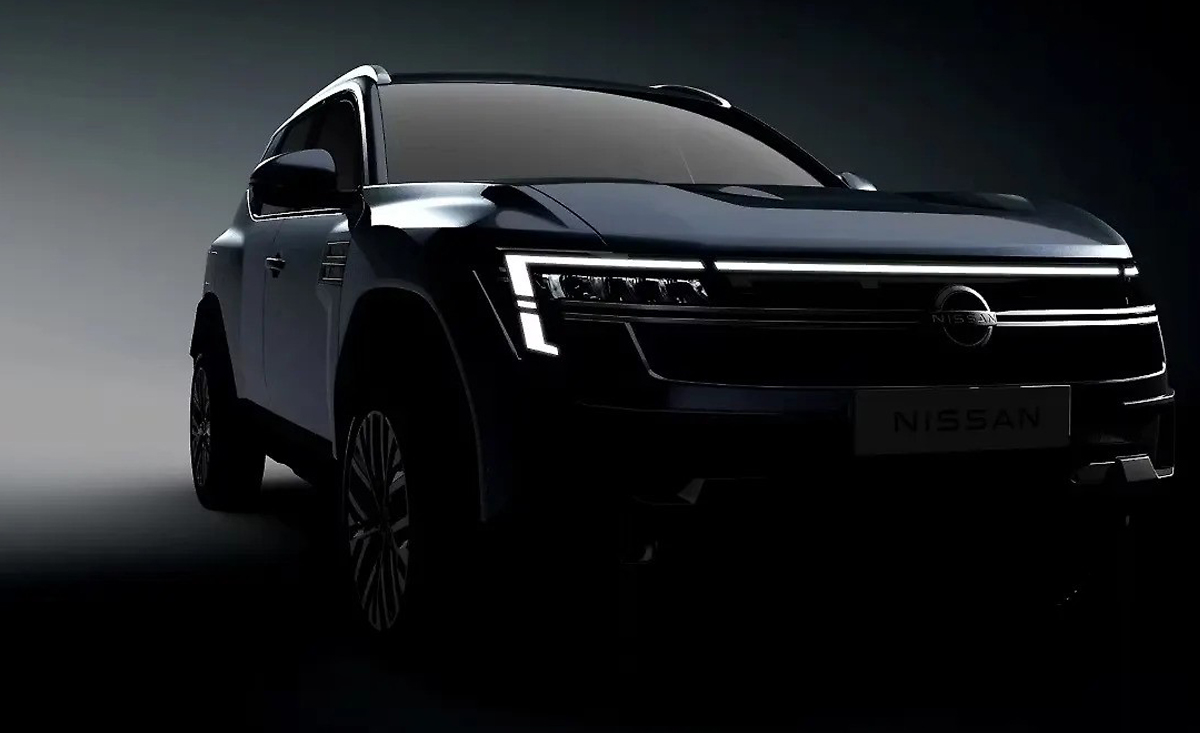
The other nameplate pencilled in for 2026 is the new Tekton, an Indian-made crossover that shares a platform with the Renault Duster.
This is because Nissan has an alliance with Mitsubishi and Renault, resulting in shared platforms for cars across the three brands.
Nissan hasn’t revealed the Tekton’s local specs just yet, but if it’s anything like the Duster, motorists can expect a 1.3-litre turbo-petrol engine with 113kW and 250Nm.
Pricing is another unknown factor, but it will hopefully start under R500,000, helping Nissan to fill a gap in its roster between the Magnite and the X-Trail.



 Loading ...