
5 tips for installing an electric car charger in South Africa


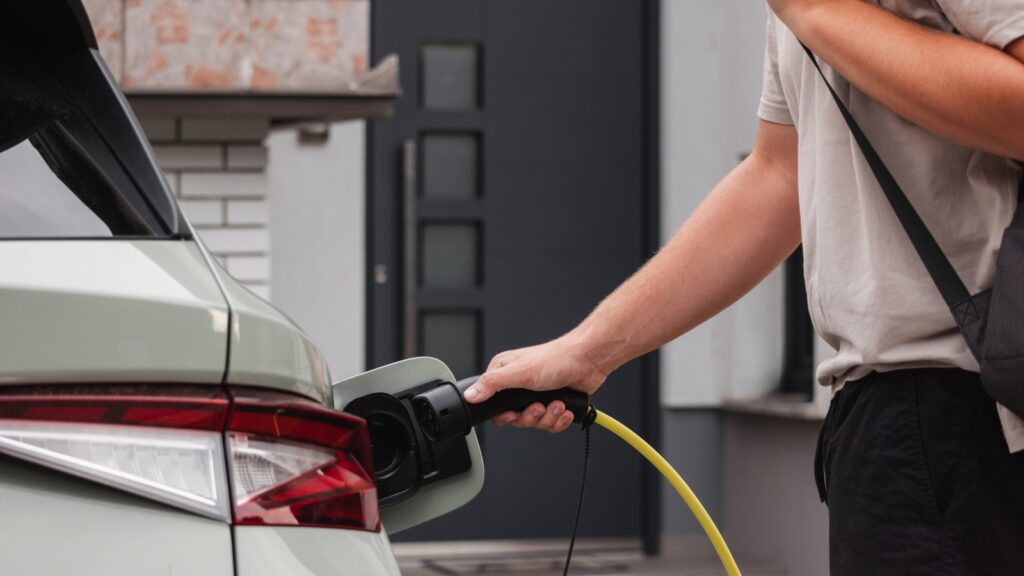
As petrol and diesel prices in South Africa continue to rise, some motorists are starting to consider electric cars with at-home chargers, which require a great deal of consideration and technical skills to install.
Electric vehicle (EV) charging experts, ChargePoint, explain that installing a home charger is no longer an experimental move, but rather a mainstream decision that pays back faster than most owners expect.
The company explains that an EV home charger, or Electric Vehicle Supply Equipment (EVSE), is not a battery or a power source, but rather a safety-controlled switch between your home distribution board and car battery.
“It negotiates voltage, current, and a continuous earth-leakage check with the vehicle, then delivers AC power that the car’s onboard charger converts to DC to top up the battery,” explains ChargePoint.
Before going out and buying the biggest and fastest charger, there are a few considerations and questions to answer.
The first consideration is your home’s supply, as around 70% of residential properties are on single-phase 60 to 80 amp supplies, capping charger speeds to around 7kW.
Larger estates and newer sectional-title developments, including most of Gauteng’s upper-middle suburbs, have three-phase electrical supply, which unlocks 11kW and 22kW chargers.
Once you know your home’s supply, which an electrician can confirm in 5 minutes, the price of chargers needs to be considered.
The four charger tiers and approximate cost in South Africa are:
- Level 1 – 3-pin plug (1.8–2.3kW) – R2,500 – R4,500
- Level 2 – 7kW wallbox (single-phase, 32A) – R9,000 – R18,000
- Level 2 – 11kW wallbox (three-phase, 16A per phase) – R14,000 – R22,000
- Level 2 – 22kW wallbox (three-phase, 32A per phase) – R17,000 – R30,000
Direct current (DC) fast chargers are usually found in commercial spots and can charge an EV to 80% in under an hour, but require serious electrical upgrades and space, and are not really practical for most homes.
Hire a qualified electrician
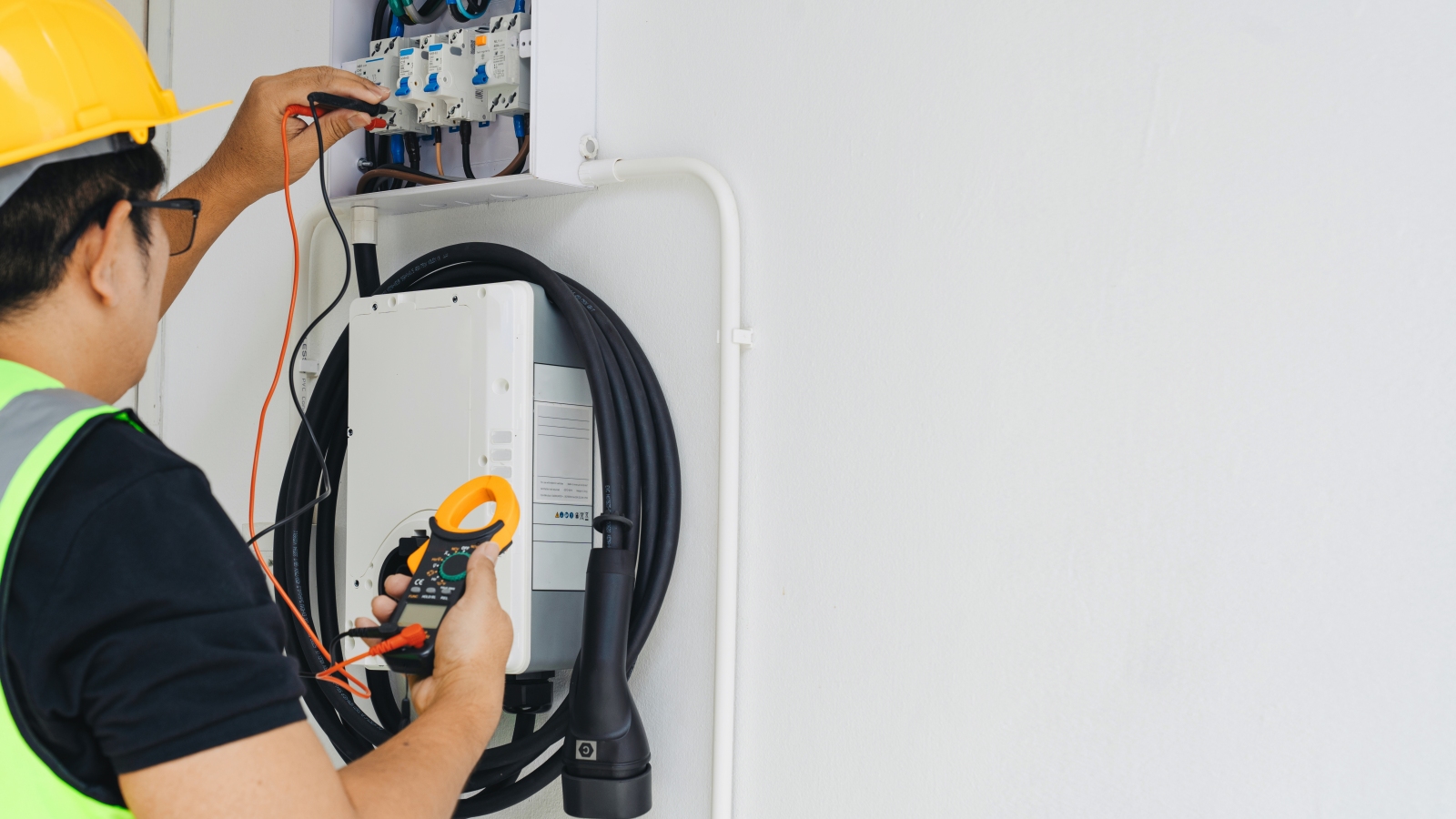
Once you’ve selected the appropriate home charger for your personal needs, find a qualified electrician to assist you with the installation.
Electricians Johannesburg explains that EV charger installations need to be done right by someone who knows the ropes.
“South African law is clear — any permanent electrical work, especially connecting to your main power board, must be done by a licensed electrician,” the company says.
The National Standard (SANS 10142) sets out strict requirements for wiring, which, if unmet, could lead to insurance claims being denied should things go wrong, and the rejection of a Certificate of Compliance.
An electrician will also spot if your electrical setup requires an upgrade, like a new panel, before installing a Level 2 charger.
Something to keep in mind is that there is red tape to navigate when installing an electric car charger at home, particularly if you live in a sectional title complex with shared electrical infrastructure.
Most municipalities require permits for permanent EV chargers, especially if they are tied into the main electrical board, though this will be handled by an electrician, who will submit the appropriate forms.
Anyone adding solar or backup power can expect to apply for municipal approval to ensure the system does not backfeed into the grid and cause problems.
“The actual installation usually means mounting the charger in your garage or driveway and wiring it safely into your power supply,” explained Electricians Johannesburg.
“Many folks opt for smart chargers these days — they connect to your phone so you can monitor charging, schedule it for off-peak hours, and even manage payments if you’re installing chargers for a business.”
The last bit of advice shared by the company is to protect your car and charging equipment
Beyond plugging in the charger, an electrician may suggest using surge protectors and load-management gear to guard your EV.
“Installing a surge arrester at your distribution board can save your pricey charger from voltage spikes, especially when power comes back after a blackout.”





 Loading ...
-2026.10.webp)


-2026.10.webp)