
Legal win for motorists stopped by police roadblocks in South Africa


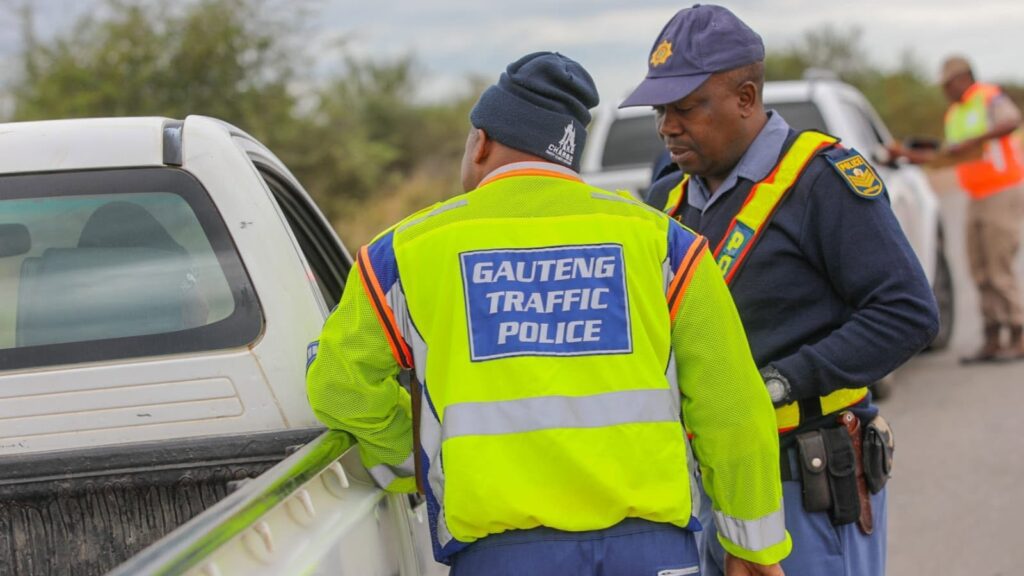
A landmark ruling from the Johannesburg High Court has confirmed that South African citizens have the right to question and film police officers without concern over being arrested.
This ruling follows the arrest of attorney Shaun Jacobs in March 2019 for filming a roadblock near his home.
Jacobs noted that he believed the arrest had been unlawful, and this view was confirmed by High Court Judge ML Twala, who ruled that the arrest was unlawful.
The High Court Judge also stressed that South Africans questioning and demanding answers from police officers was not a criminal offence as it doesn’t interfere with police duties.
This issue began at around 20:00 on 1 March 2019, when Jacobs found that two police officers had set up a roadblock outside his home’s gate.
His initial requests for the roadblock to be moved were ignored, and after he asked for their details and informed them that he was an attorney, one of the officers became aggressive and threatened to arrest him.
Jacobs then chose to retrieve his smartphone and take pictures or video for when he filed a complaint.
However, upon seeing this, one of the officers arrested him without informing him of his rights or following any standard procedure.
Following this, the officers handcuffed Jacobs, and he also noted that the handcuffs were too tight, leading to his fingers going numb, and that the officers ignored this issue as well.
Twala, in his ruling, stated that detaining Jacobs for fourteen hours before admitting him to bail when his home address was known was unnecessary.
“I am of the respectful view that the horrible treatment the plaintiff suffered at the hands of the metro officers and the South African Police at Edenvale police station was unnecessary,” he wrote.
The ruling has also determined that Jacobs is entitled to fair compensation, with the following liable payments:
- R100,000 in damages from the Minister of Police.
- R150,000 in damages from the Ekurhuleni Metropolitan Municipality.
Along with this, the Minister of Police and the Ekurhuleni Municipality are jointly liable to pay the case costs, including those of counsel.
Jacob’s claim against the two officers will be dismissed with costs – this is in reference to his defamation claims after the officers allegedly made racist remarks against him during the mediation before the hearing.
Police corruption
According to legal expert Elton Hart, this case has set a new standard for South African’s right to question law enforcement.
He noted this to eNCA, where he outlined that people are usually half bullied by law enforcement and that they usually don’t record what’s happening at roadblocks for fear of getting arrested.
“I think this one will now pave the way to ensure our law enforcement officers operate according to the law,” he said.
Hart also stated that if the South African Police Service does attempt to appeal the ruling, they wouldn’t be successful.
“This judgment speaks directly to what the constitution expects of people in public office regarding how they should behave,” he said.
“Their behaviour should amount to transparency and accountability.”
The ruling should also assist authorities with the rooting out of corrupt officers, as South Africans now film police officers without fear, noting the issue of bribes being a key focus.
“It will mean that people can record what they are doing, and it could help us to curb the scourge of bribes being taken by law enforcement officers,” he said.




 Loading ...
-2026.10.webp)



-2026.10.webp)