


The Department of Trade, Industry and Competition is planning to build a new international airport in South Africa.
The airport is part of a larger plan to develop a new smart city along the Vaal River in Gauteng.
The department stated that it is holding public consultations on the planned designation of the Vaal Special Economic Zone (SEZ), allowing for comment and input from the local community.
This new project is being headed by the Gauteng Growth and Development Agency (GGDA) which, according to its official website, is intended “to attract both domestic and foreign direct investment.”
The smart city is the main pillar of the project and is expected to drive urban development and create new job opportunities in Gauteng’s “southern corridor.”
According to the department, the planned SEZ will consist of five land parcels in Heidelberg, Kookfontein, Langlaagte, Rietspruit, and Zwartkopjies.
All of this will be supported by a new “aerotropolis” – an industry term referring to an economic zone built around a major airport.
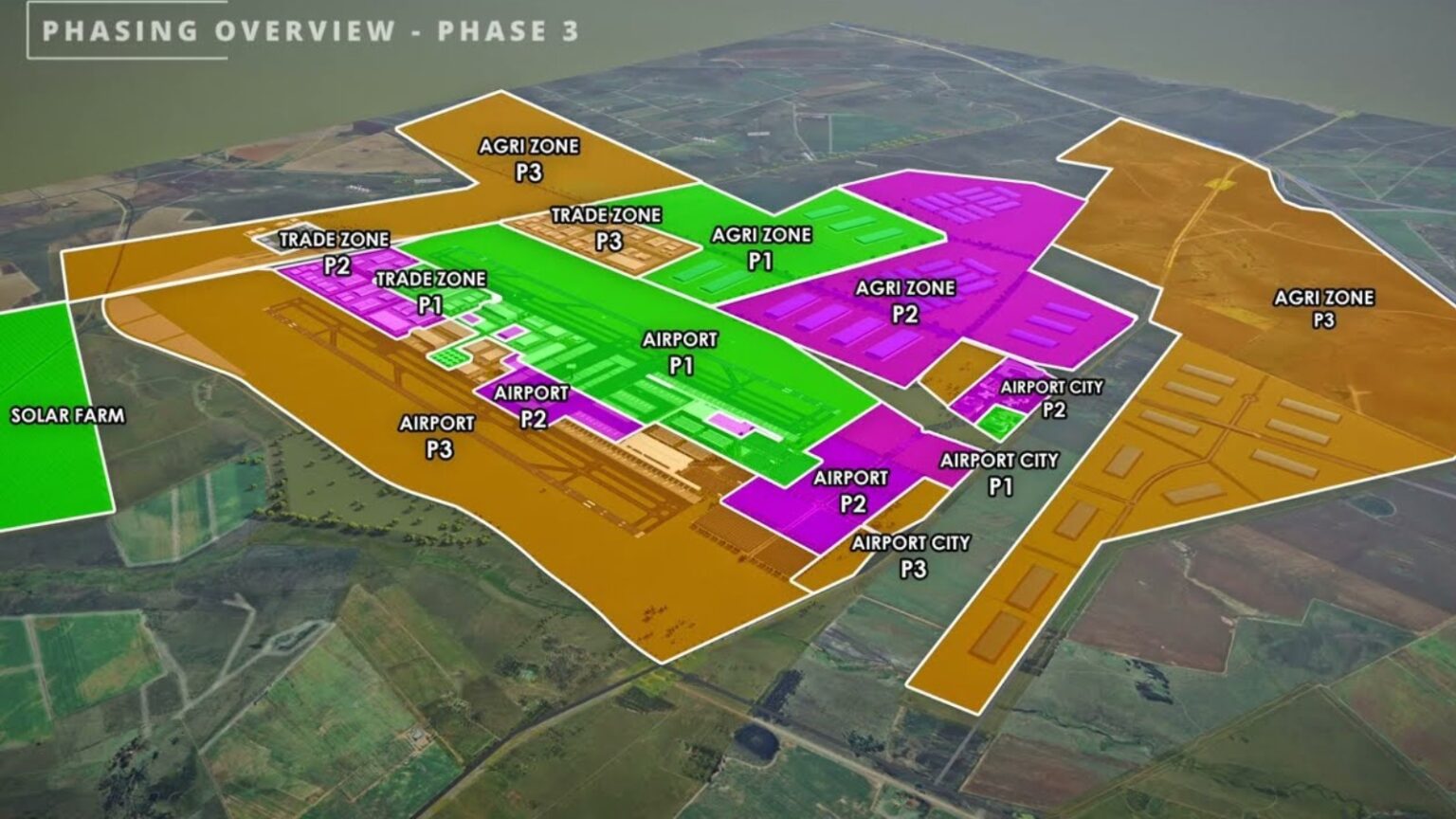
In 2023, Citibank pledged R1.4 billion toward the first phase of establishing a new international airport in the Vaal, along with an aerotropolis comprised of four major zones.
“The Vaal Aerotropolis will be the only airport in Gauteng where integrated air cargo services are designed and planned as a priority,” said the Vaal Aerozone.
“It will have the initial capacity of 7.2 million passengers and 150,000 tons of freight per annum, serving as a crucial catalyst for global business and trade, just 50 minutes by road from Johannesburg.”
The new airport will be supported by an extensive road network with direct access to the N1.
The developers claimed that the terminal itself will be “state of the art” with an emphasis on international flights.
Based on the Airport City plan’s blueprint, the area will also feature a large solar PV farm and designated agricultural zones.
Another focus of the SEZ project is the “blue economy,” which concerns economic activity in the local environment and its impact on the Vaal river.
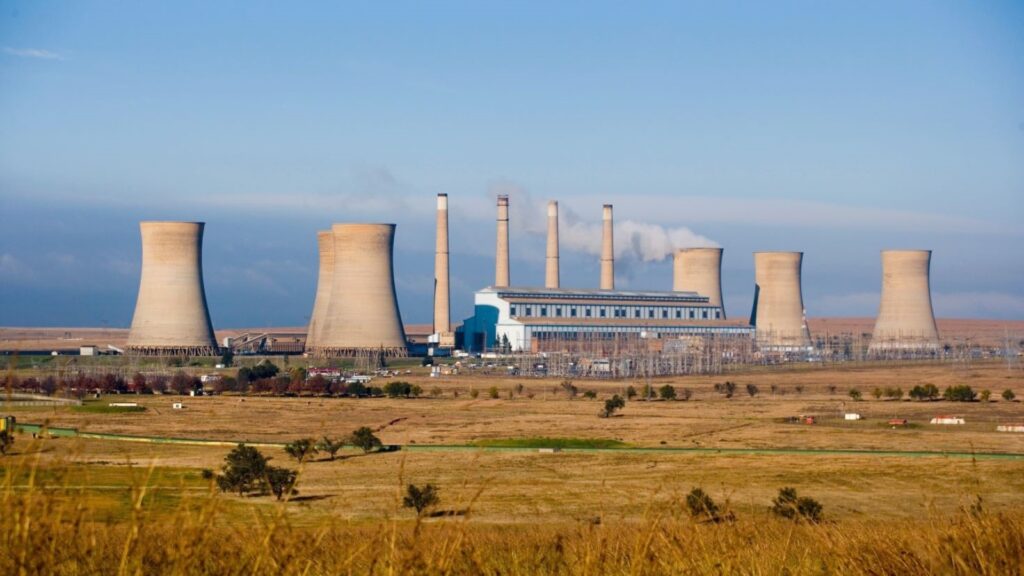
The Vaal is considered one of the most polluted rivers in South Africa, as it has become a dumping ground for raw sewage and toxic waste from the nearby steel mill, Lethabo coal power plant, and Sasolburg petrochemical facility.
South Africa’s new smart city
The planners of the Vaal SEZ, which include the Department of Trade, Industry and Competition and theEmfuleni, Lesedi and Midvaal municipalities, are now seeking investment in the prospective regions.
One of the primary investment avenues focuses on “green industrialization” with the end goal of turning the area into a hub for the production of green hydrogen.
“Transforming this industrial basin into the country’s pre-eminent hub for low carbon manufacturing and renewable energy production,” the department said
The South African government approved the Green Hydrogen Commercialisation Strategy in October 2023 to position the country as a major global green hydrogen exporter, reported MyBroadband.
A minister in the Presidency, Khumbudzo Ntshavheni, said at the time that the state is looking for at least $1 billion in investment towards green hydrogen production in South Africa.
“Green hydrogen has the potential to add additional renewable energy generation capacity and to support the local development of renewable energy,” she said.
The project also aims to develop the agricultural and agro-processing sector, expanding the existing operations in the Sedibeng district.
“Agro-processing” is the processing of raw materials from agricultural activities into the final value-added products consumers find on shelves.
Headline image: Artist’s impression of the Vaal International Airport. Source: Vaal Aerotropolis Local Spatial Development Framework.





 Loading ...
-2026.10.webp)



-2026.10.webp)