


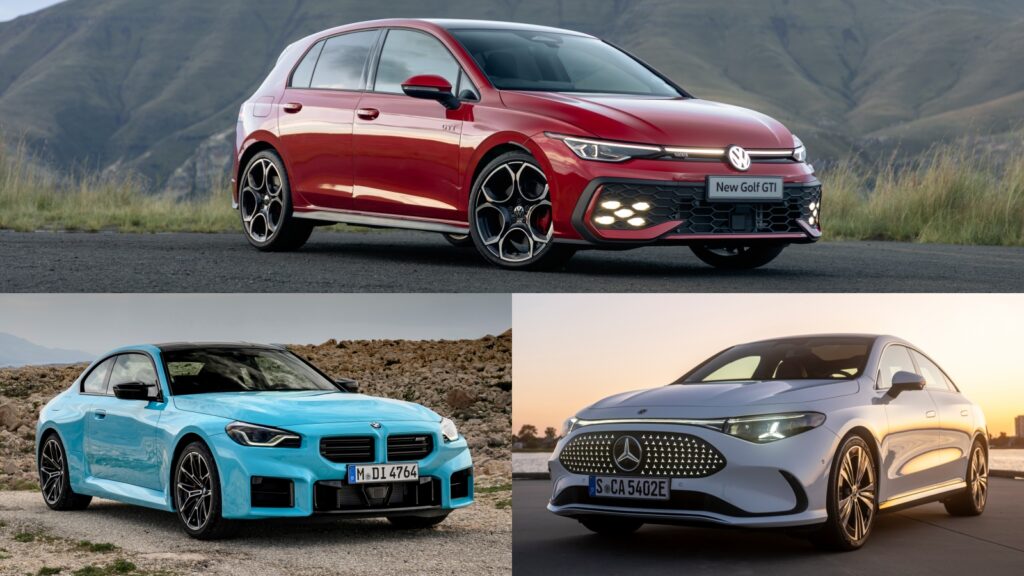
Mercedes-Benz will discuss more cost cuts with labour representatives, as the carmaker expands its use of artificial intelligence to drive savings amid a downturn in key markets.
The German automaker will hold formal negotiations with union leaders on additional cost-cutting and competitiveness measures that would sit alongside existing labour agreements running through 2034, human resources chief Britta Seeger said in an interview.
The agreements, common among industrial companies in Europe’s biggest economy, rule out compulsory redundancies at Mercedes factories in Germany, the core of the luxury automaker’s production network.
The deliberations come as Mercedes faces mounting pressure from US tariffs and slumping sales in China, where an economic slowdown has weighed on demand for luxury vehicles.
“We need to evaluate whether we have done everything within Mercedes, within Germany, to be more competitive against our rivals,” Seeger said in an interview at Mercedes headquarters in Stuttgart.
“We need to make sure Germany does everything to be a competitive country.”
Mercedes workers are protected from forced redundancies via agreements internally known as the ZuSi (short for Zukunftssicherung, or future security), which have long underpinned labour relations in Germany.
So far, the carmaker has sought to reduce staff via natural attrition and voluntary redundancies.
Like other major automakers, Mercedes is reassessing its cost base as it wrestles with the fallout from US tariffs and a prolonged downturn in China.
Luxury-car demand there has been hit by weaker consumer confidence, a property slump and tougher competition from domestic electric-vehicle makers.
Volkswagen too is gearing up for additional cost cuts, on top of plans by Europe’s biggest carmaker to shed some 50,000 jobs by the end of the decade.
Across the broader economy, labour pacts are considered crucial to maintaining harmonious ties between management and workers.
Mercedes is also looking to AI to lift productivity and reduce expenses across functions, part of a broader push to protect margins as earnings come under pressure.
The scope of the challenge was brought into sharp relief this week when BMW warned its carmaking margin could fall to as little as 1% this year, down from previous guidance of as much as 6%, as weakening Chinese demand and fallout from the Middle East conflict weigh on sales.
Long seen as Germany’s most resilient automaker, BMW also said it plans additional cost savings beyond those already announced, underscoring how quickly the downturn is forcing even the strongest players into deeper restructuring.
Seeger predicted AI will drive vast improvements in productivity at Mercedes. The technology will allow for speedier work and isn’t simply a headcount-reduction tool, but will change how work is done across the company, she said.
Around 60% of Mercedes-Benz staff are using AI daily compared to 30% when the company first started tracking around 18 months ago. Mercedes is targeting 70% by the end of the year.
“In some areas we are at 100% already,” Seeger said. “The adoption rate is increasing really fast.”
Mercedes expects a stronger second half of the year thanks to new models and strong orders. The German automaker pointed to improving performance in the coming months after its carmaking margin fell to 4.1% in the first quarter from 7.3% a year earlier.
The decline was less severe than some analysts had forecast, with returns around the midpoint of its annual target.




 Loading ...