The National Consumer Commission (NCC) has issued a recall of thousands of Jeep SUVs and bakkies after Stellantis South Africa informed it of a major safety concern.
According to the NCC, Stellantis informed it that 1,896 Jeep Wrangler and Jeep Gladiator vehicles, including 1,881 units that were sold in South Africa between 2021 and 2025.
“According to the supplier, the affected vehicles are fitted with an Electric Hydraulic Power Steering Pump (EHPS), which may have an electrical connection susceptible to high resistance,” said the NCC.
“This could result in a warning indicating the loss of power steering assistance or a ‘Service Power Steering’ warning.”
During certain driving scenarios, high-resistance electrical activity may occur in the EHPS connection area, which may cause combustible materials to overheat.
“Overheating of combustible materials in the vehicle or surrounding area may potentially lead to a fire,” explained the NCC.
“This may result in increased risk of occupant injury and injury to persons outside the vehicle.”
To rectify this, it urged Jeep owners to report to their nearest authorised Jeep dealership and allow technicians to complete an inspection and the necessary repairs.
The commission added that all necessary work will be completed at no cost to the consumer.
“Consumers can also check whether their vehicles are affected by using the VIN check facility on the Jeep website,” the NCC said.
Any owners with questions or queries relating to this recall have been encouraged to email them to the NCC at [email protected].
A second recall this week
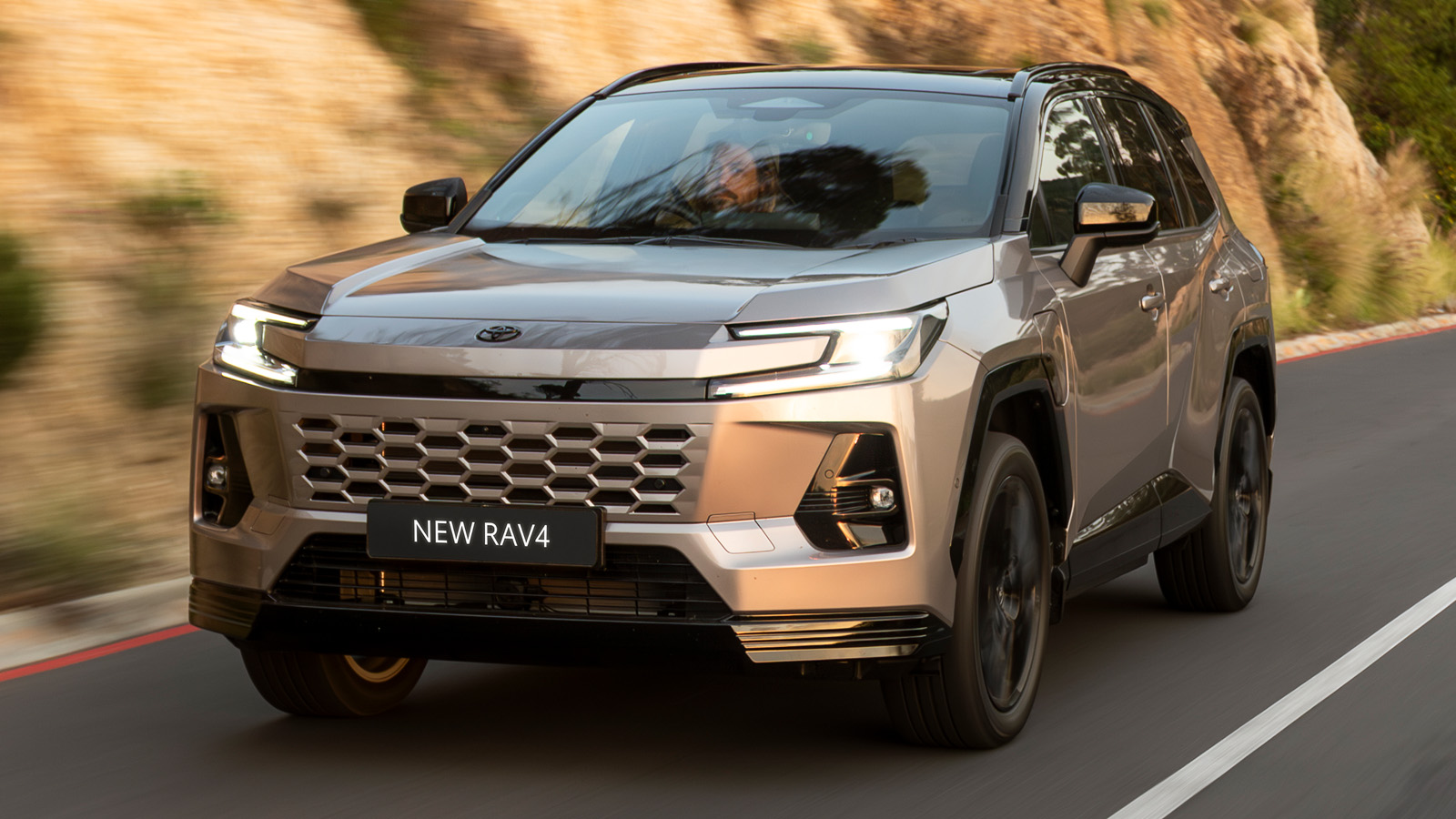
Earlier this week, the NCC informed consumers that Toyota South Africa Motors (TSAM) has recalled 77 current-year Toyota RAV4 models.
The affected models are particularly the plug-in hybrid (PHEV) models built between 2 April and 3 September.
The manufacturer told the NCC that it detected an issue with the motor generator ECU (MG-ECU) used by the PHEV units.
“In some cases, the MG-ECU in these vehicles may not complete the motor initialisation process correctly, resulting in the motor control mode used for speeds being unavailable,” said TSAM.
“In this condition, when the vehicle reaches a speed that requires the higher-speed motor control mode, warning lights will illuminate, and the plug-in-hybrid system will either transition to a fail-safe driving mode or shut down.”
Should this happen and the system shuts down, the affected vehicle would lose power, which could occur at higher speeds and increase the risk of an accident.
TSAM and the NCC urged motorists who own the affected models to take their cars to an authorised Toyota dealership, where the MG-ECU will be reprogrammed to address the issue.




 Loading ...