


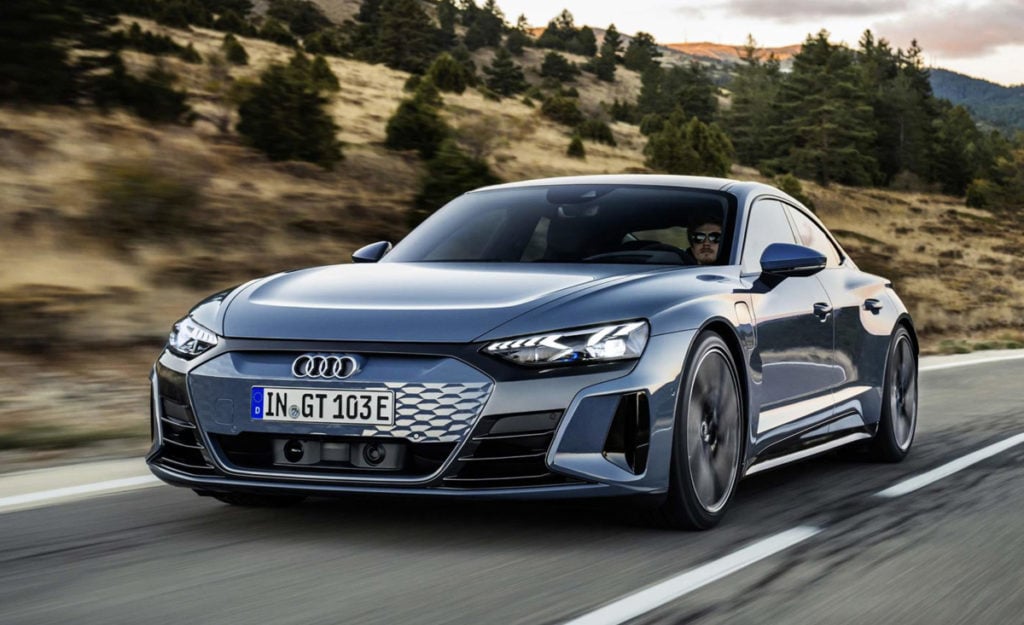
German automaker Audi has issued a recall of e-tron GT electric sports cars in South Africa due to a mechanical fault that could lead to brake failure.
Affected models include 40 e-tron GT models sold in South Africa between 2 November 2021 and 20 March 2026.
The National Consumer Commission (NCC) informed consumers of the recall yesterday, 23 April 2026, after being alerted to the issue by Audi South Africa (Audi SA) and the Volkswagen Group (VW).
“Audi SA informed the NCC that the recall is due to a bolted connection between the input rod on the brake pedal and the operating rod on the brake servo that may come loose,” the NCC said.
“If the connection becomes completely detached, braking will only be possible using the controlled emergency braking function.”
As a result, the commission has urged all affected owners to take the recall seriously and to arrange for the necessary inspection and repair to be completed at their nearest authorised Audi dealerships.
The NCC also confirmed that all corrective work relating to the recall will be carried out at no cost to the affected consumers.
Consumers with questions or enquiries about the recall and how to proceed with the repair process have been encouraged to contact the NCC at [email protected].
At launch late in 2021, Audi offered two derivatives of the e-tron GT in South Africa – these being a standard and an RS model.
By 2024, only the top-spec RS was still on sale, but this variant has also been removed from the luxury carmaker’s local website.
South Africa’s car recall crisis

The Audi recall is by no means the first of the year, following a year in which over 50,000 cars were recalled in South Africa; 2026 has also gotten off to a bad start.
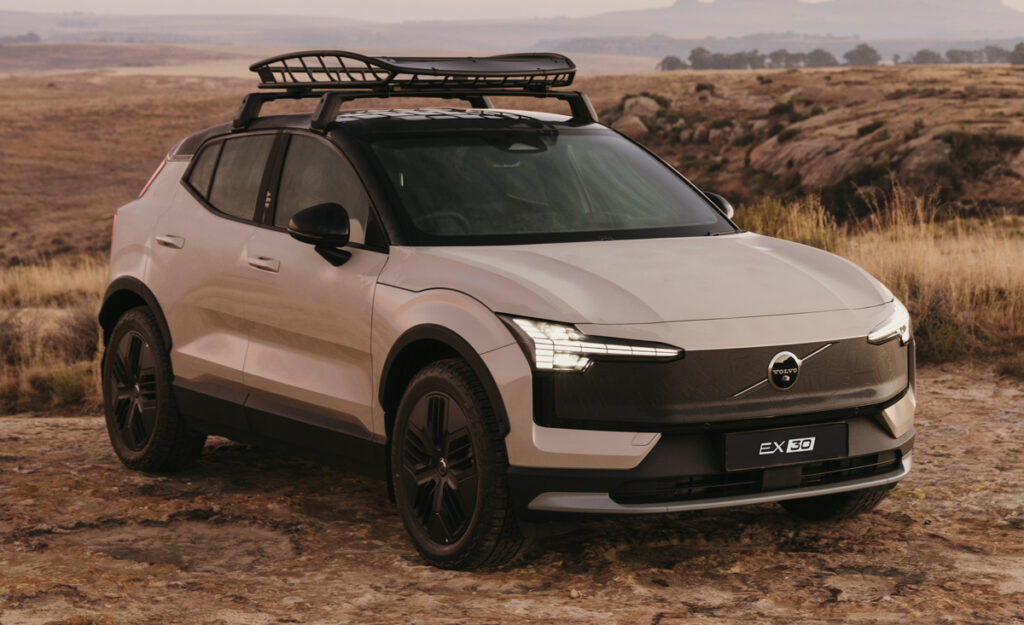
The e-tron is also not the first electric car to be recalled locally, following Volvo’s recall of its 2024-2026 EX30 Single Motor Extended Range and Twin Motor Performance vehicles.
Since the turn of the year, no less than six major car manufacturers have issued recalls for cars sold in South Africa.
It started with MG, which recalled 209 MG3 units that had been sold nationally from 30 August 2025 due to a faulty driver’s seat cushion frame.
This was followed by Toyota recalling more than nearly 2,000 Land Cruiser LC300 and Lexus LX models due to a shared error in the programming of the Transmission Electronic Control Unit (T-ECU).
Toyota and Ford later issued a combined recall of more than 500 vehicles, which included Ford Ranger XLT, Ranger Wildtrak, Puma, and Hino 700 units for various faults.
The latest recall, which was issued earlier this month, was for 67 Jaguar I-Pace models sold between 2017 and 2021, as well as 60 current-year Land Rover Defender models, due to battery performance and safety issues.
The Automobile Association of South Africa (AA) has noted that the scale of these recalls reveals “a systematic failure and weakness in vehicle pre-market quality assurance, manufacturing oversight and regulatory verification”.




 Loading ...
-2026.10.webp)

-2026.10.webp)