Warning for motorists driving these popular SUVs in South Africa


SUV owners in South Africa are facing several product safety recalls after the National Consumer Commission (NCC) announced the recall of thousands of vehicles across three major brands for a range of faults.
The recall involves over 2,000 Toyota Land Cruiser Prado models, over 250 Jeep Grand Cherokee vehicles, and 41 Lexus SUVs.
According to the NCC, Toyota South Africa Motors (TSAM) informed consumers that its recall affects 2,279 vehicles sold at nationwide dealers from 5 December 2023 to 7 August 2025.
“The recall is due to a software error in the combination meter. During meter startup, the 3D graphics Micro Controller Unit may not fully initialise, resulting in a blank image in the 3D graphics area, which is part of the meter,” it said.
“In this condition, the indicators for engine oil pressure, engine coolant temperature, electrical charge, and other warning messages may not display on the combination meter.”
Alongside the Prado recall, Stellantis South Africa recalled 255 Jeep Grand Cherokee vehicles sold nationwide from 2023 to 2025, with four vehicles still with the manufacturer.
According to the supplier, the Airbag Control Unit module on the affected models may have been built with software which may cause transient door airbag pressure sensor faults to remain active for the lifetime of the sensor.
“This may result in delayed deployment of the side airbag. A delayed deployment may reduce front seat occupant protection in the event of certain types of crashes, potentially resulting in an increased risk of injury to motor vehicle occupants,” said the NCC.
Lexus South Africa Motors informed the NCC of a recall of Lexus GX and Lexus UX vehicles due to the same Air Bag Control Unit module fault as in the Jeep Grand Cherokee models.
The Japanese luxury carmaker’s recall affects 41 units sold across South African dealerships between 7 April 2024 and 8 September 2025.
The NCC called on owners of the affected vehicles to visit their nearest authorised dealership to arrange an inspection and repair, which will be completed at no cost to the consumer.
Millions of vehicles recalled for airbag faults
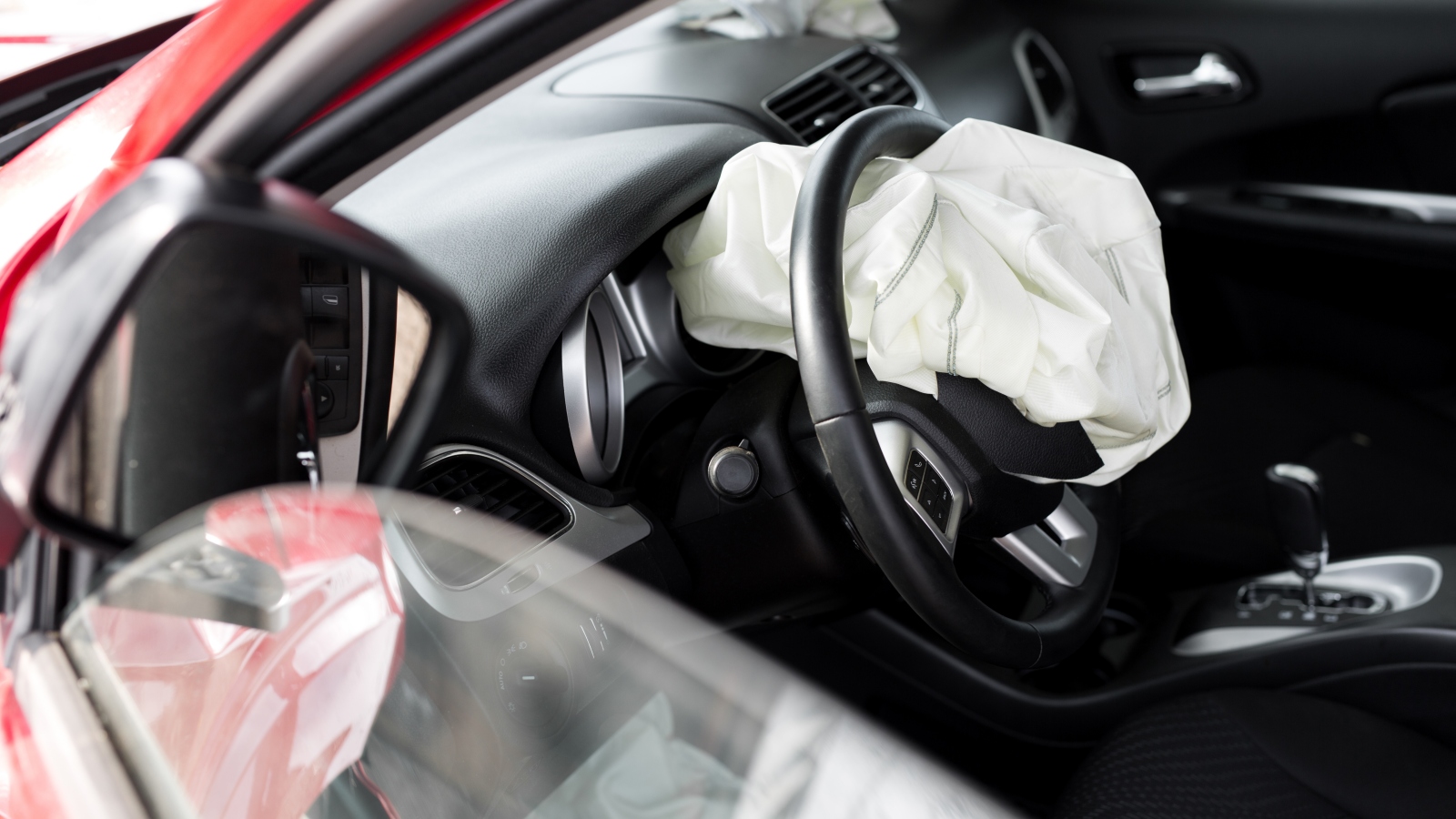
To date, millions of vehicles worldwide have been recalled since airbag supplier Takata Corporation started issuing notices to more than 20 carmakers
The now-defunct company started issuing recalls in 2013, after a series of vehicle injuries and deaths in the United States were traced to its airbags, leading to a recall of over 42 million cars.
Investigations found defects in the airbag inflators and airbags manufactured at Takata’s Monclova Plant in Coahuila, Mexico. Mishandling of explosive propellants and improperly stored chemicals were blamed for the fault.
As a result, propellants became destabilised and volatile, causing the faulty airbags to rupture and explode without warning and injure occupants.
A year after the first recall, the airbag manufacturer stated that moisture and humidity could have soaked into its airbags, creating more problems in the already faulty system.
By 2024, more than 100 million vehicle recalls from more than 20 carmakers have been issued as brands struggle to rectify Takata’s airbag manufacturing errors.
The airbag manufacturer had already filed for bankruptcy by 2017, as it owed far more in compensation than its means.
Since Takata closed its doors, countries around the world, including South Africa, have continued to issue recalls for vehicles that may have been fitted with faulty airbags.
Determining which vehicles are affected has been difficult, with faulty airbags installed potentially as far back as 1998 and Takata failing to maintain accurate quality control records.
However, companies like the Automobile Association (AA) of South Africa make it easy to track the VINs of potentially faulty vehicles.




 Loading ...