The biggest mistake South Africans make when buying tyres


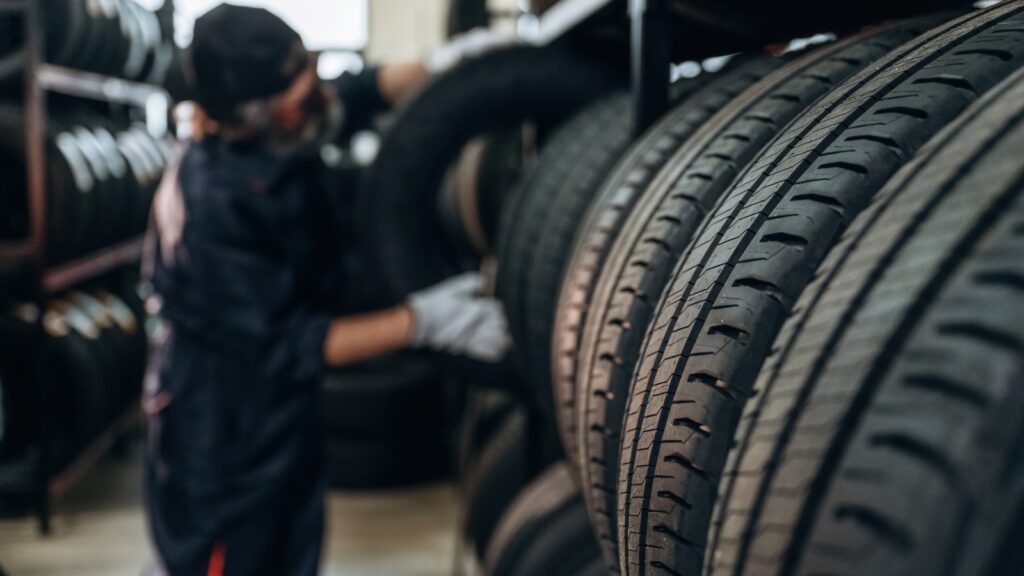
Most South African motorists only replace their tyres when necessary, like if they burst or are damaged, making it an unplanned expense and price a critical deciding factor when comparing options.
However, while it is understandable that cash-strapped local buyers think this way, Michelin explained that choosing a tyre based only on its upfront cost is a costly mistake that may overlook important considerations.
These include performance, longevity, vehicle suitability and after-sales support. While many tyres may appear similar, they are not necessarily designed or engineered to deliver the same experience.
“Price will naturally remain an important consideration for motorists. However, a tyre purchase should not be viewed only as a short-term expense,” said Amaury Vadon, Managing Director of Michelin Sub-Saharan Africa and Vice President of Sales for Africa, India and the Middle East
“Motorists should consider how a tyre has been engineered, whether it suits their vehicle and driving needs, how it is designed to perform as it wears, and what support is available after purchase.”
He added that the French tyre manufacturer wants to equip motorists with the crucial information they need to make confident, informed buying decisions.
Michelin advised motorists to consult a reputable dealer before purchasing replacement tyres, and confirm the correct specifications for their vehicle.
Vadon also urged buyers to ask about performance, longevity, warranty and after-sales support.
Motorists should instead question what they can expect it to deliver throughout its usable life instead of merely what it costs on the day it is fitted.
Choosing the right tyres

To help guide buyers towards the right tyres, Michelin addressed common misconceptions motorists may have when choosing their next set of tyres.
A common misconception is that all tyres of the same size are identical without checking the information displayed on a tyre’s sidewall to identify its dimensions, construction, load capacity and speed rating.
Tyres that are the same size can differ in their construction, rubber compounds, tread design and intended use, so buyers should ensure replacement tyres meet their vehicle manufacturer’s specifications.
Many motorists also believe premium tyres are reserved for luxury or performance vehicles, but these are equally relevant for everyday driving purposes.
“Choosing premium tyres is not necessarily about driving faster or owning an expensive vehicle,” said Michelin.
“It is about selecting tyres engineered to deliver dependable performance for the way the vehicle is used.”
Once a tyre is no longer new, many motorists expect it to lose performance drastically, but it spends most of its usable life partially worn, so motorists should instead consider how a tyre performs over time.
Michelin says true tyre longevity is not simply about achieving more kilometres before replacement, but rather about maintaining dependable performance levels throughout the tyre’s usable life.
The French tyre manufacturer noted that while the purchase price is important, particularly for cost-conscious motorists, it does not determine a tyre’s value.
A cheaper tyre may not be the most economical choice, especially if it wears quickly and needs to be replaced more frequently.
Motorists should instead consider the expected longevity, performance over time, suitability for their vehicle and the warranty or after-sales support accompanying the purchase when calculating the tyre’s “value”.
“Tyres that remain in service for longer, without compromising on safety or performance, can also contribute to more responsible consumption by reducing the frequency of replacement and the associated use of materials,” said the brand.
Finally, something many tyre buyers get wrong is thinking modern vehicle technology, including anti-lock braking, traction control and electronic stability control, can compensate for tyre choice.
While these systems assist the driver, the vehicle is the one that interacts with the road through the four relatively small contact areas at the bottom of its tyres.
“Tyres play an important role in translating the vehicle’s braking, steering and stability systems into physical performance on the road,” said Michelin.
“Even advanced vehicle technology depends on appropriate tyres that are correctly fitted, maintained and inflated.”



 Loading ...