
The Organisation Undoing Tax Abuse (OUTA) has warned that the Administrative Adjudication of Road Traffic Offences (AARTO) Act will place a heavy administrative burden on individuals, businesses, and fleet operators when it is introduced on 1 July 2026.
Additionally, OUTA CEO Wayne Duvenage warned that AARTO has “all the hallmarks of a potentially corrupt, deliberate money-making scheme.”
“It is nothing short of a public-private partnership that involves revenue sharing of funds intended for the state,” he said.
Duvenage was specifically referring to the Road Traffic Infringement Agency (RTIA), which issued a tender for a private service provider to support many of the core functions of AARTO.
The CEO said this presents opportunities for the new driving laws to be manipulated, as private companies stand to benefit from artificially induced inefficiencies.
“The RTIA makes little money if infringers pay on time, and a lot more when the public misses the fine payment deadlines and must pay a higher penalty,” he explained.
OUTA has also warned that the latest version of the AARTO regulations was rushed without public participation.
This iteration of AARTO was supposed to go live on 1 December 2025, but was postponed at the last minute to 1 July 2026 because several municipalities were not ready to implement the new system.
The organisation said that this latest postponement should be used to get the legislation right.
“If government is serious about road safety, it must return to the drawing board — build a transparent, practical system that supports enforcement, earns public trust, and genuinely saves lives.”
However, no revisions have been made to AARTO since December 2025.
Red flags for AARTO

Driving.co.za managing director Rob Handfield-Jones has also weighed in on the matter, warning that the latest version of AARTO is highly susceptible to legal challenges.
“The finalised regulations are a cluttered mess, which could have considerable vulnerability in any court challenge on their merits, let alone the lack of consultation apparent in their finalisation,” he said.
Handfield-Jones explained that the core principles of the Act, which were intended to improve road safety and reduce road fatalities, had been wrecked with legislative tinkering.
“At this point, they may as well scrap it and just rework the current enforcement system to include proper document service and demerit points, like what is done in the UK.”
Fines4U, a traffic infringement management specialist, has written to Transport Minister Barbara Creecy to address procedural compliance issues within the AARTO system before it expands next month.
It has also submitted formal correspondence requesting the conclusion of outstanding matters linked to a 2017 High Court order before the next phase of implementation proceeds.
It requested that the matter of Fines4U (Pty) Ltd and Another v Deputy Registrar, Road Traffic Infringement Agency and Others be addressed no later than 1 July 2026.
“Compliance with that order would remove a significant legacy obstacle and help build the trust necessary for the national system to succeed,” the company said in a letter sent to the Transport Minister.
Fines4U’s primary concern is that unresolved procedural shortcomings will create difficulties for motorists seeking to exercise their rights through the mechanisms provided for under the AARTO Act.
“The matter comes at a time when public attention is focused on the expansion of AARTO into additional municipalities, bringing millions of motorists under the administrative enforcement framework for the first time,” it said.
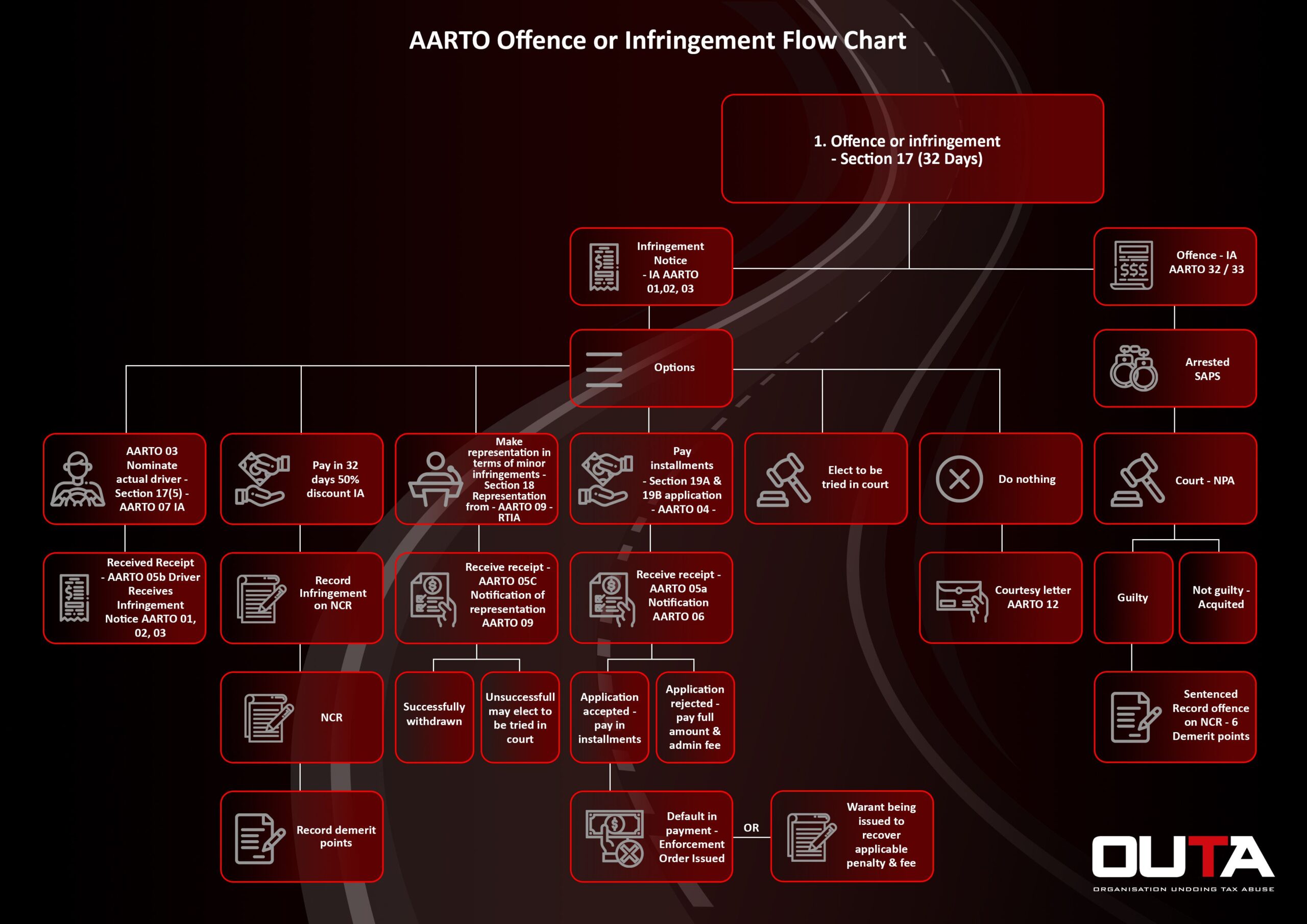
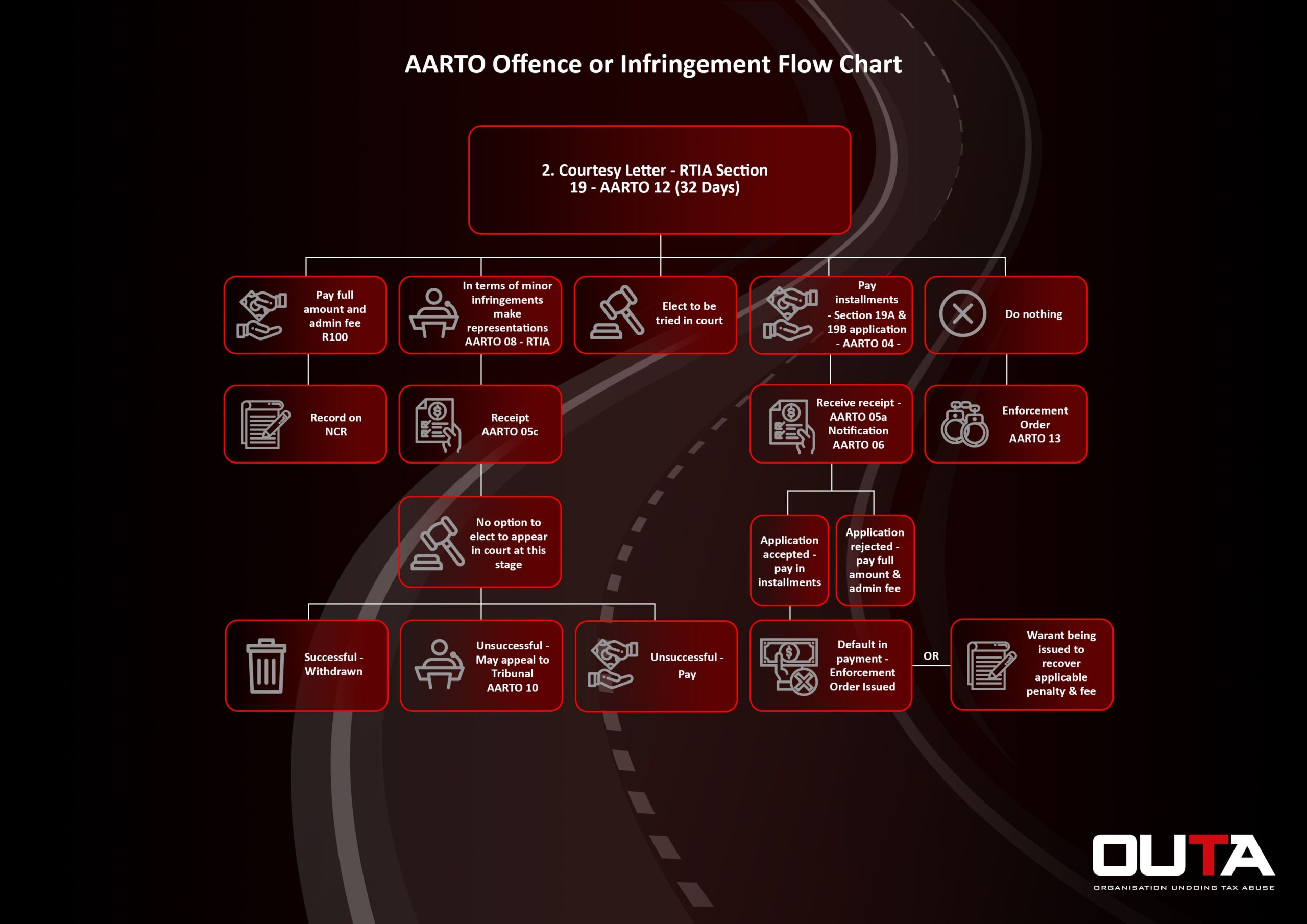
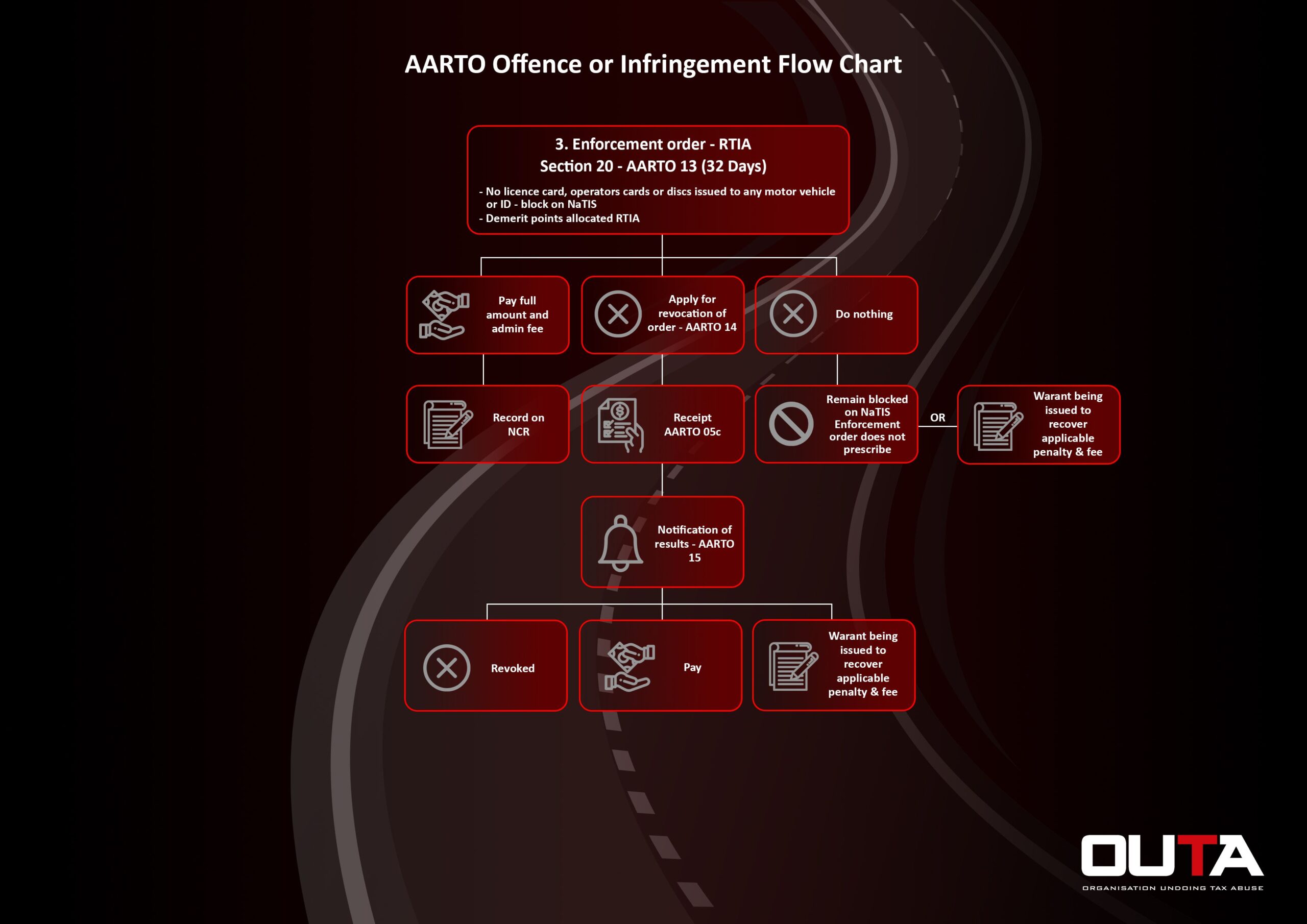
How AARTO will work in South Africa





 Loading ...